Explore the Ground Floor House Design and Change Your Ground Floor

8.2K Views
Table of Contents
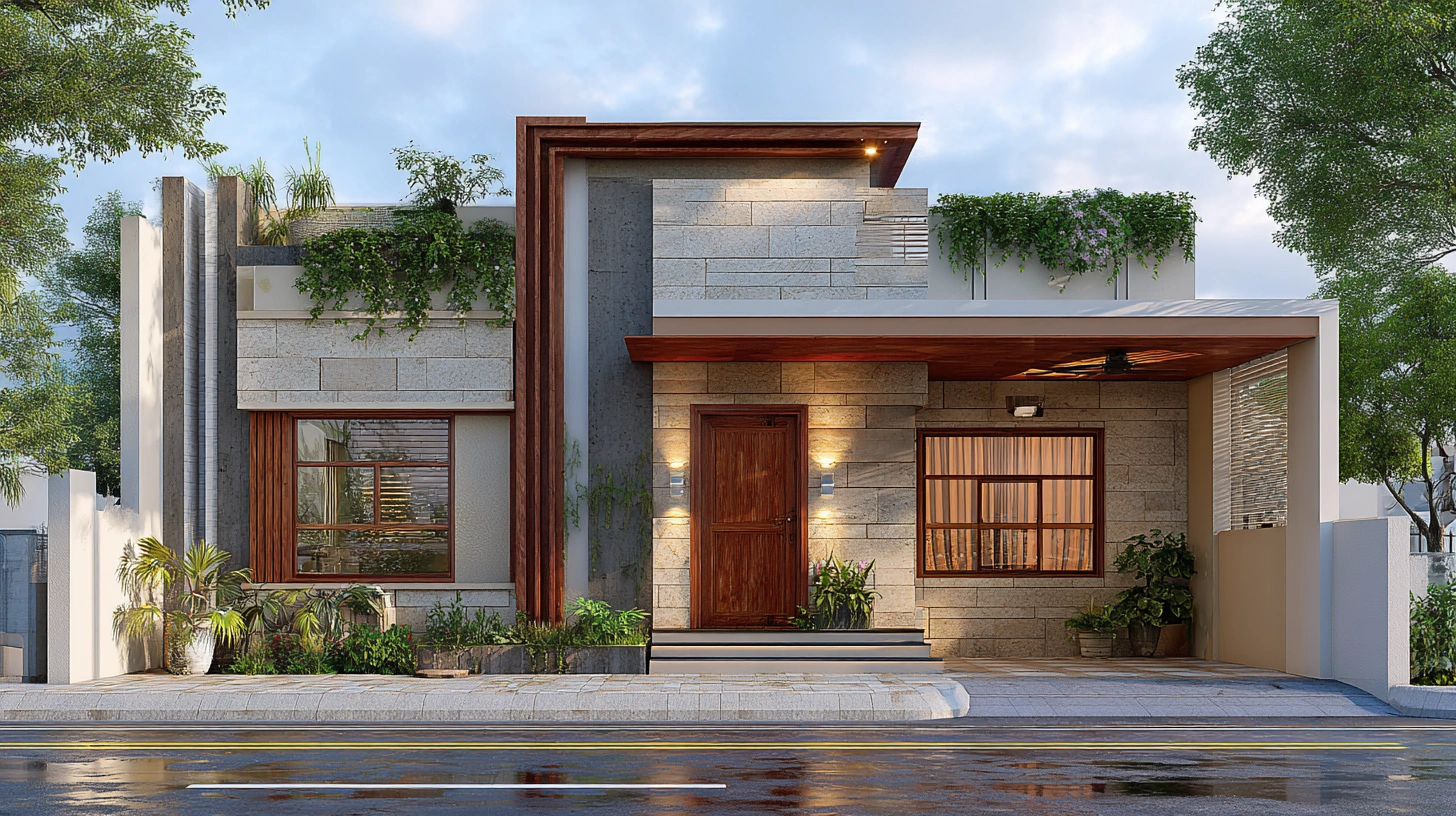
The architectural and interior planning of a one-story residential structure built at ground level is called ground floor house design. It is an important part of creating a home and calls for careful consideration of several aspects, including site topography, regional building regulations, client requirements, and budget. A well-designed ground-floor home should offer its occupants a visually pleasing living space in addition to meeting its fundamental functional needs. This blog post will cover various great ground-floor house designs as well as ways to create them.
Ground Floor Design of Each Direction
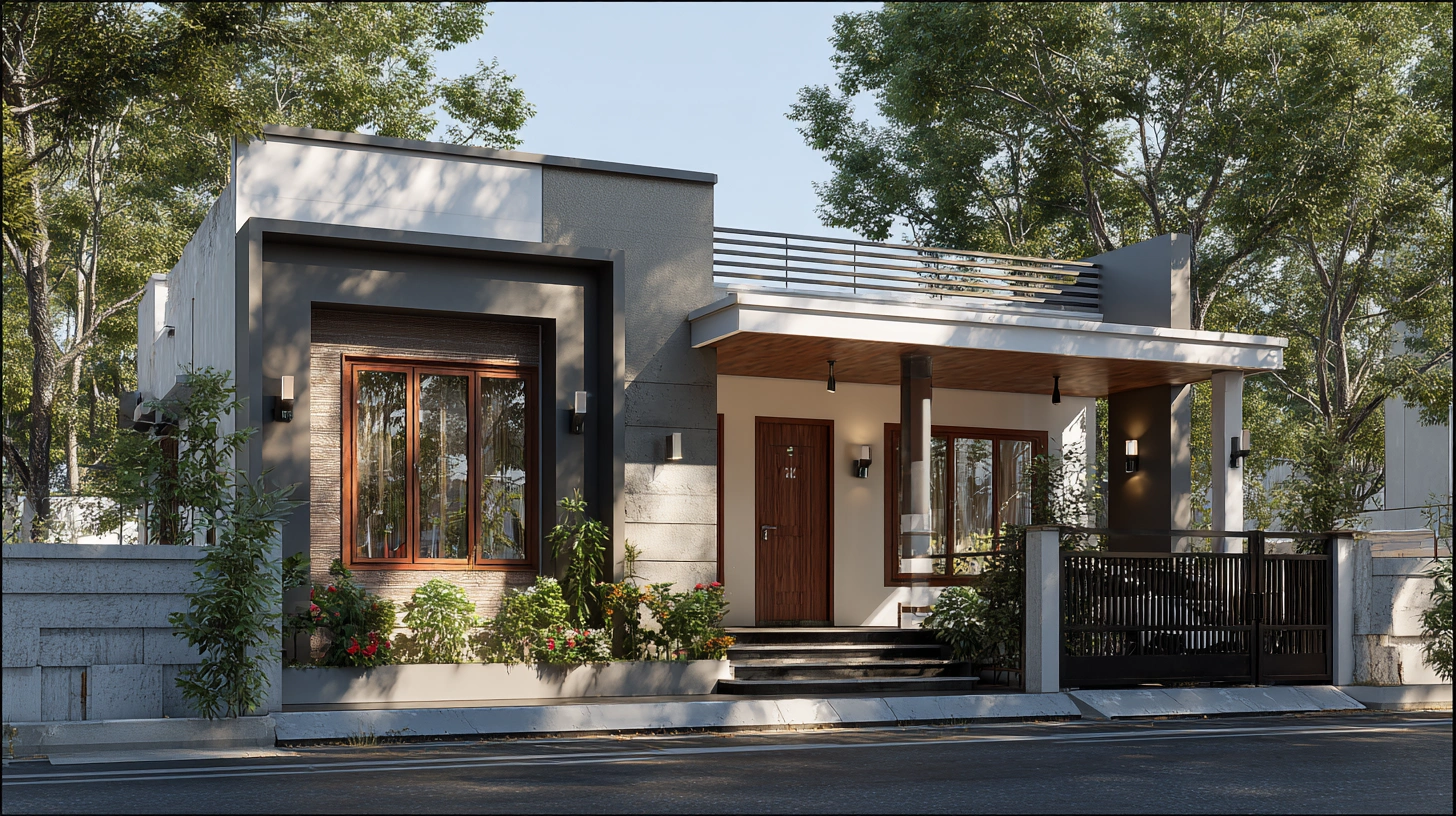
A ground floor house's layout might change based on orientation and direction. Therefore, the following factors should be taken into account for each direction's ground floor design.
North Facing House Elevation Ground Floor
Homes with ground floors facing north should be built to use as much natural light and warmth as possible in the winter. Large windows and openings should be used in the major living areas and bedrooms, which should be situated on the north side of the building.
Recommended Reading

Best 3 Bedroom House Plans: Modern and S...
78.3K Views


South Indian Village House Design: 15 Tr...
36.4K Views

How to Make a Room Soundproof: 10 Practi...
34.4K Views

₹30 Lakh House Designs: Design Your Drea...
25.5K Views
Best 15 Stylish and Secure Iron Window G...
25.2K Views
The kitchen and other service facilities should be on the south side to prevent overheating. To protect the north-facing windows during the summer, it is also crucial to incorporate shade elements into the design, such as verandas, pergolas, or balconies.
South Facing House Elevation Ground Floor
Homes with south-facing ground floors should be built to reduce heat loss in the winter. Smaller windows and openings should be used in the living spaces and bedrooms, which should be placed on the south side to prevent heat loss.
The kitchen and service facilities should be on the north side to get the most sunshine exposure. To shield the south-facing windows from the summer sun, it's crucial to incorporate shading elements into the design, such as eaves or overhangs.
East Face Ground Floor Elevation
Homes with east-facing ground floors should be built to take advantage of as much natural light and ventilation as possible. The living spaces and bedrooms should be placed on the eastern side of the building, with lots of windows and other openings to let light into the room.
The kitchen and service spaces should be on the western side to prevent overheating. Designing shade elements like vertical louvres or screens is crucial for regulating the amount of sunlight.
West Facing House Elevation Ground Floor
Ground floor homes facing west should be planned to reduce glare and afternoon heat gain. Smaller windows and openings should be used in the living spaces and bedrooms, which should be placed on the western side to minimise heat gain.
The kitchen and service facilities should be on the east side to maximise sunlight exposure. Also, it's crucial to incorporate shading elements into the design, such as horizontal louvres or shades, to shield the western windows from the sun's glare.
Interior Cost Calculator for 1, 2 & 3 BHK Homes
Use our interior cost calculator to estimate the budget for your ground-floor house design, whether you are planning a 1BHK, 2BHK, or 3BHK layout. By selecting your home's size, materials, and design preferences, you can get a realistic cost estimate for complete interior work. This helps you plan efficiently and manage your budget while designing a comfortable, accessible, and well-optimised ground floor living space.
Online Interior Design Cost Calculator for Home
Select your apartment size to get accurate, personalised price estimates for your interiors.
Select one
Which rooms to design?
Select all rooms that need interior work and set how many of each you need.
Add rooms & quantities
Pick your interior package
Choose the plan that fits your budget and lifestyle. All plans include a 10-year warranty.
Select a plan

- Modular kitchen with standard finish
- 1–3 wardrobes based on BHK
- TV unit included
- Standard materials & fittings
- Modular kitchen + living room unit
- 1–3 wardrobes + puja unit + TV unit
- Basic false ceiling (living area)
- Quality materials & accessories
- Premium kitchen + full living & dining
- 2–4 wardrobes + shoe rack + crockery unit
- False ceiling — living, dining & bedroom
- Foyer unit + balcony utility
- Top-grade materials & finishes
How to Create a Ground-Floor House Design?
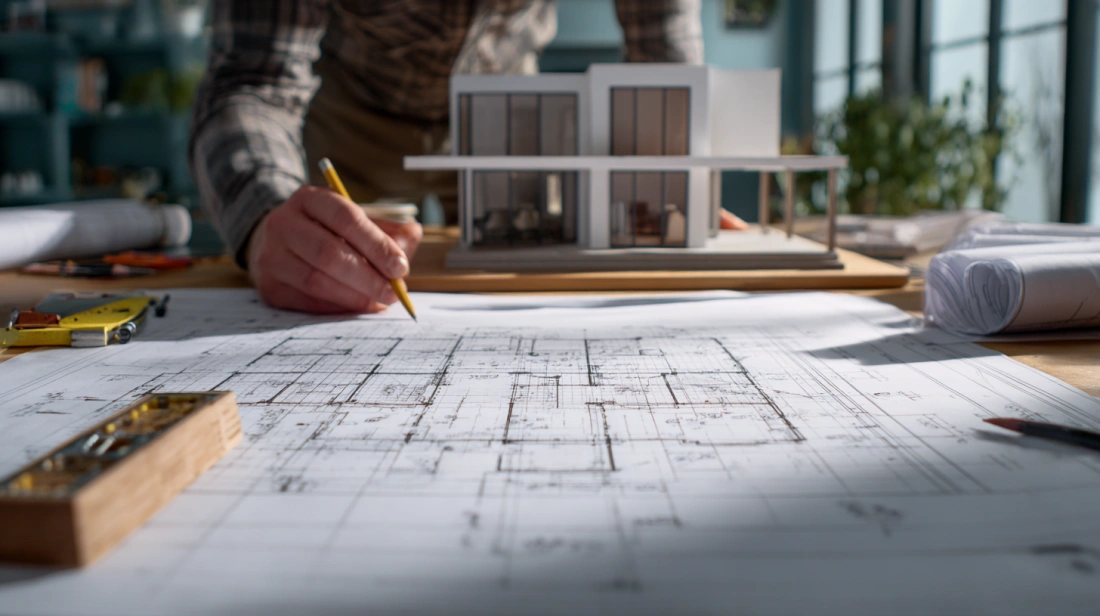
Designing a ground-level home can be interesting and gratifying. Here are some essential measures to follow when constructing a ground-level home that meets your requirements and tastes.
- Establish your preferences and wants: It's critical to establish your preferences and needs for your ground-floor home before starting the design process. Aspects such as the number of bedrooms and bathrooms, the size of living spaces, your lifestyle and family's needs, and your budget should all be considered.
- Keep in mind the site and location: The Design of your ground-level home will be influenced by them. Consider factors such as the site's terrain, the sun's angle and direction, the surrounding area and climate, and any applicable zoning or building codes.
- Design the layout: You should plan the layout of your ground-floor home to ensure it is practical, effective, and suited to your needs. For example, consider where the restrooms, kitchen, living room, and bedrooms are located, traffic patterns and how the spaces flow together.
- Choose the right materials and finishes: Doing so is crucial to developing a ground-level house design that is both cosy and aesthetically pleasing. When choosing materials and finishes, consider factors such as sturdiness, maintenance requirements, insulation, soundproofing, and aesthetic appeal.
- Natural light and ventilation: Natural light and ventilation are crucial for creating a comfortable, healthy living space. To regulate sunlight and ventilation, use wide windows and openings, and shade structures such as verandas, pergolas, or balconies.
- Consult a professional: Consulting a qualified architect or interior designer can help ensure that your ground-floor house design meets your requirements and tastes while also accounting for site topography, local building codes, budget, and material considerations.
Is the Ground Floor a Suitable Place to Live?
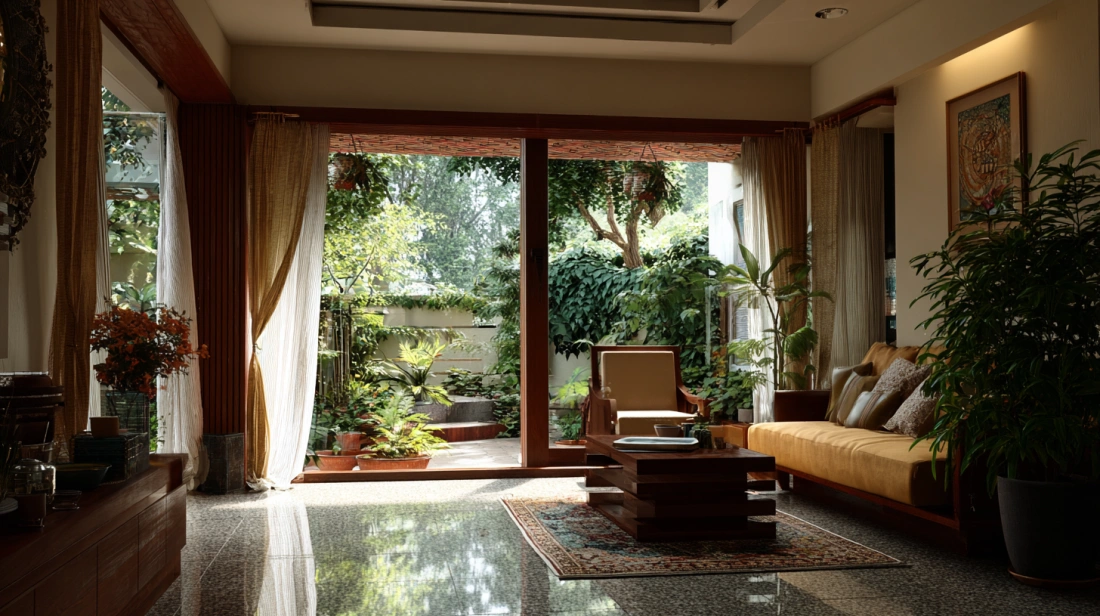
Indeed, many individuals might find living on the ground floor comfortable. But in truth, there are various benefits to living at ground level for some people and families.
- Those with impairments or mobility challenges may find living on the ground floor comfortable. For individuals who need mobility aids like wheelchairs or walkers, it eliminates the need to climb steps and makes it easy to access outdoor spaces.
- Residing on the bottom floor may provide better security and privacy. Unlike upper floors, there is no need to be concerned about strangers or guests passing by windows or doors, and there is a lower chance of burglary or house invasion.
- Having a home on the ground level makes it easier for families with small children or animals to use outside play spaces and exercise grounds.
- Living at ground level also makes it easy to see and engage with the community and the surrounding areas, which may help residents feel more connected to their surroundings.
Fashionable Ground Floor House Design
Ground-floor home ideas may be fanciful, elegant, and practical and useful. Here are some stylish bottom-floor home design ideas to consider.
L-Shaped Single Floor House Plans
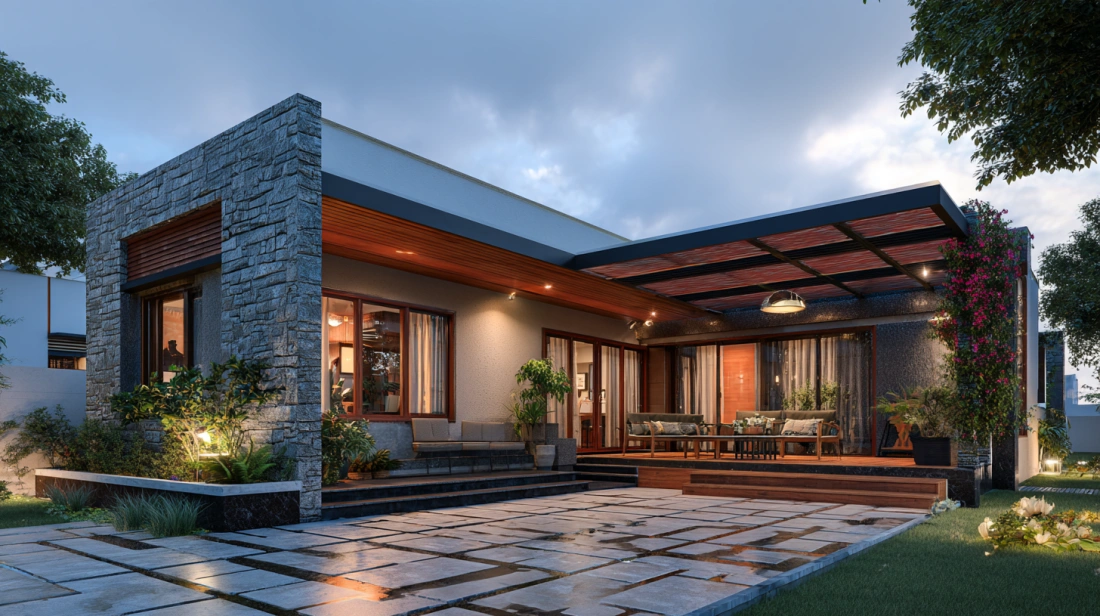
L-shaped plans are among the most popular configurations in single floor house designs, valued for their open-plan layouts and seamless connection to outdoor spaces like patios and gardens. In addition, L-shaped designs often have fewer windows facing the street, which can boost privacy and security. L-shaped layouts can also connect more seamlessly with external areas, such as patios or gardens.
Single-Level House with Many Sections
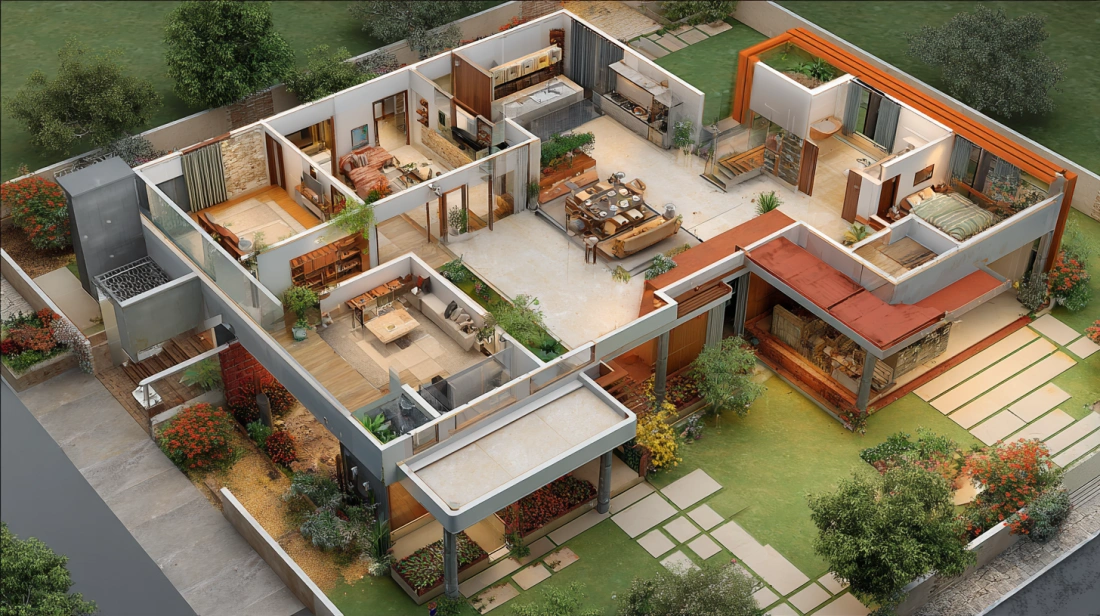
A single-level house with many parts is another stylish alternative for ground-floor home designs. This layout may have distinct wings or portions for various activities, such as sleeping, eating, and living. This kind of design enables greater privacy and flexibility in space utilisation, which may also support multi-generational households or larger families.
Lifted Single-Level House Designs
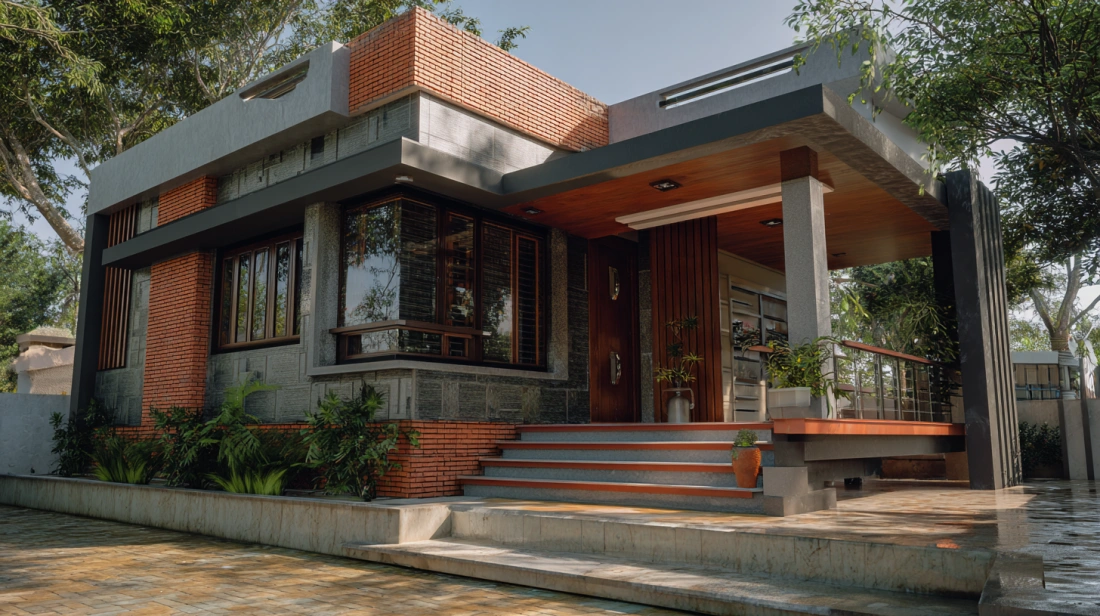
Elevated single-floor home designs may offer a chic, contemporary option for living on the ground floor. Placing the home on a higher platform can provide better views, natural light, and ventilation, among other advantages. In addition to providing seclusion and security, elevated architecture can shield a space from flooding or water damage.
Contemporary single-story home designs
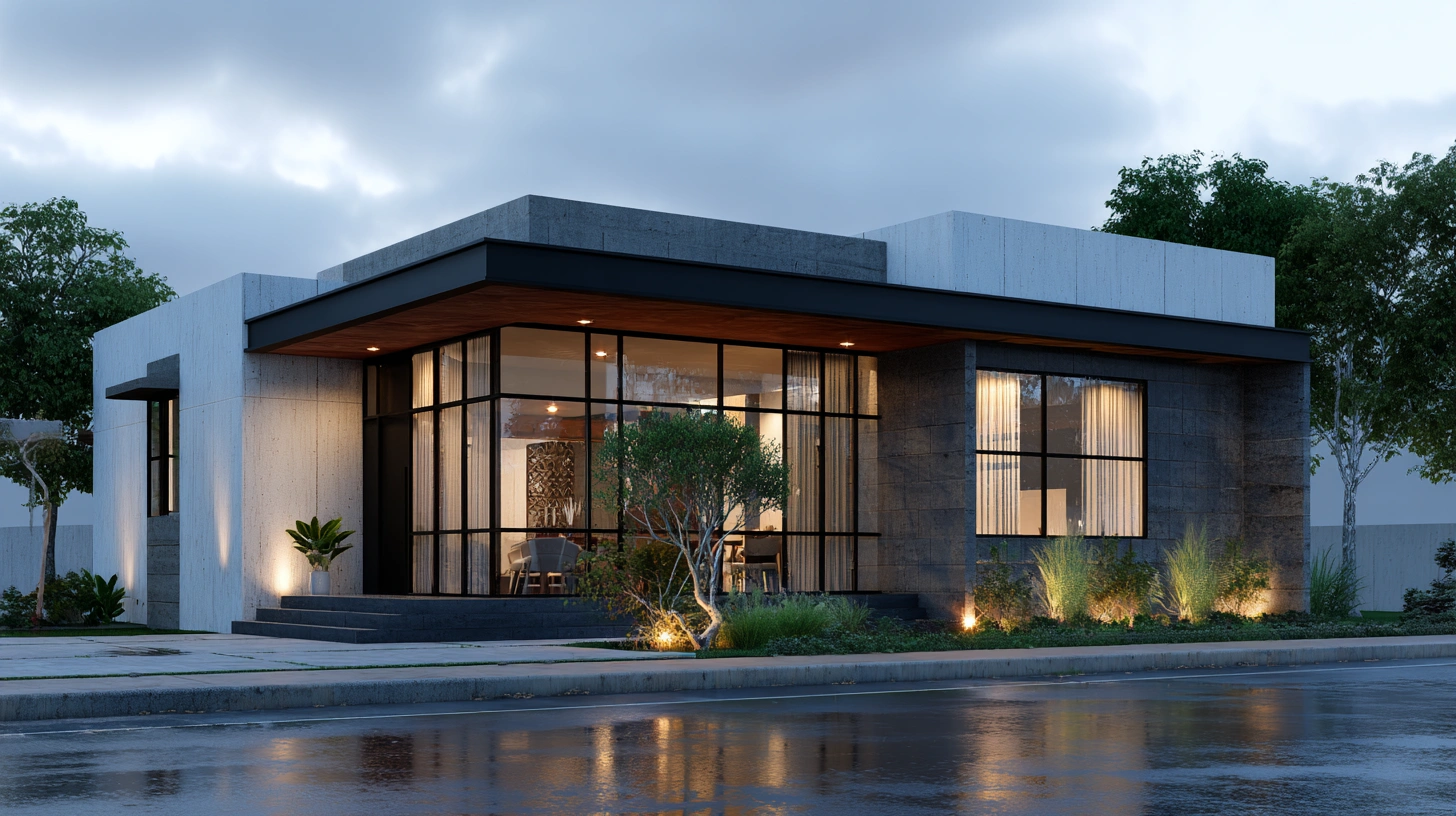
These designs are sleek and fashionable, often featuring open floor plans, large windows, and clean lines. This design choice is ideal for people who like a minimalist look and want a house that is both attractive and useful. In addition, contemporary one-story house plans may contain cutting-edge technology and energy-saving features, making them a wise choice for homeowners who care about the environment.
Single-Level House Designs with Garage
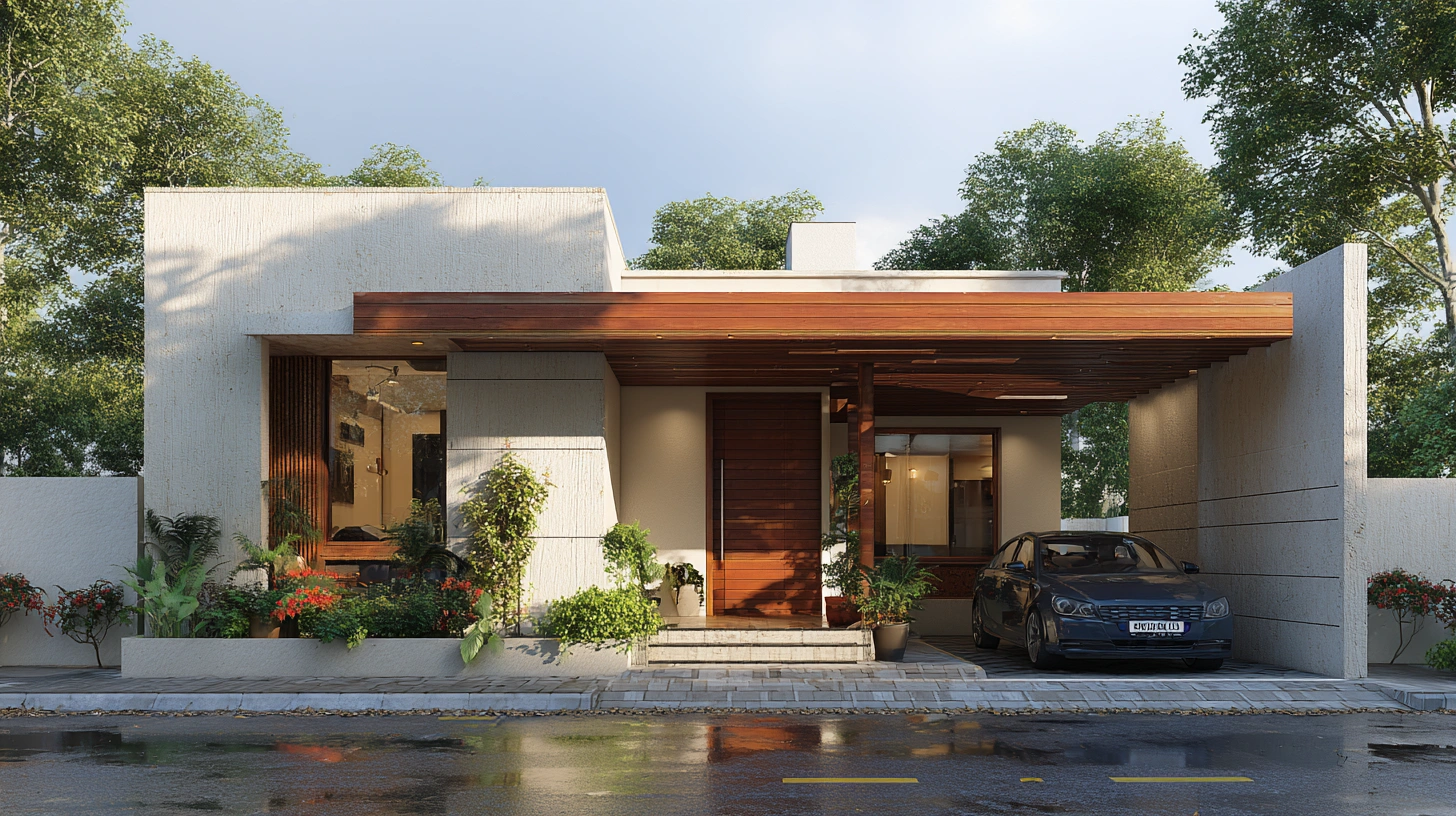
For homeowners who desire quick, simple access to their cars, single-floor house designs with attached garages are a popular option. These plans often have a connected garage, providing easy access from the garage to the house. Also, this design choice can enhance the home's exterior appeal and provide additional storage space.
Single-Level House Design with Wrapped Balcony
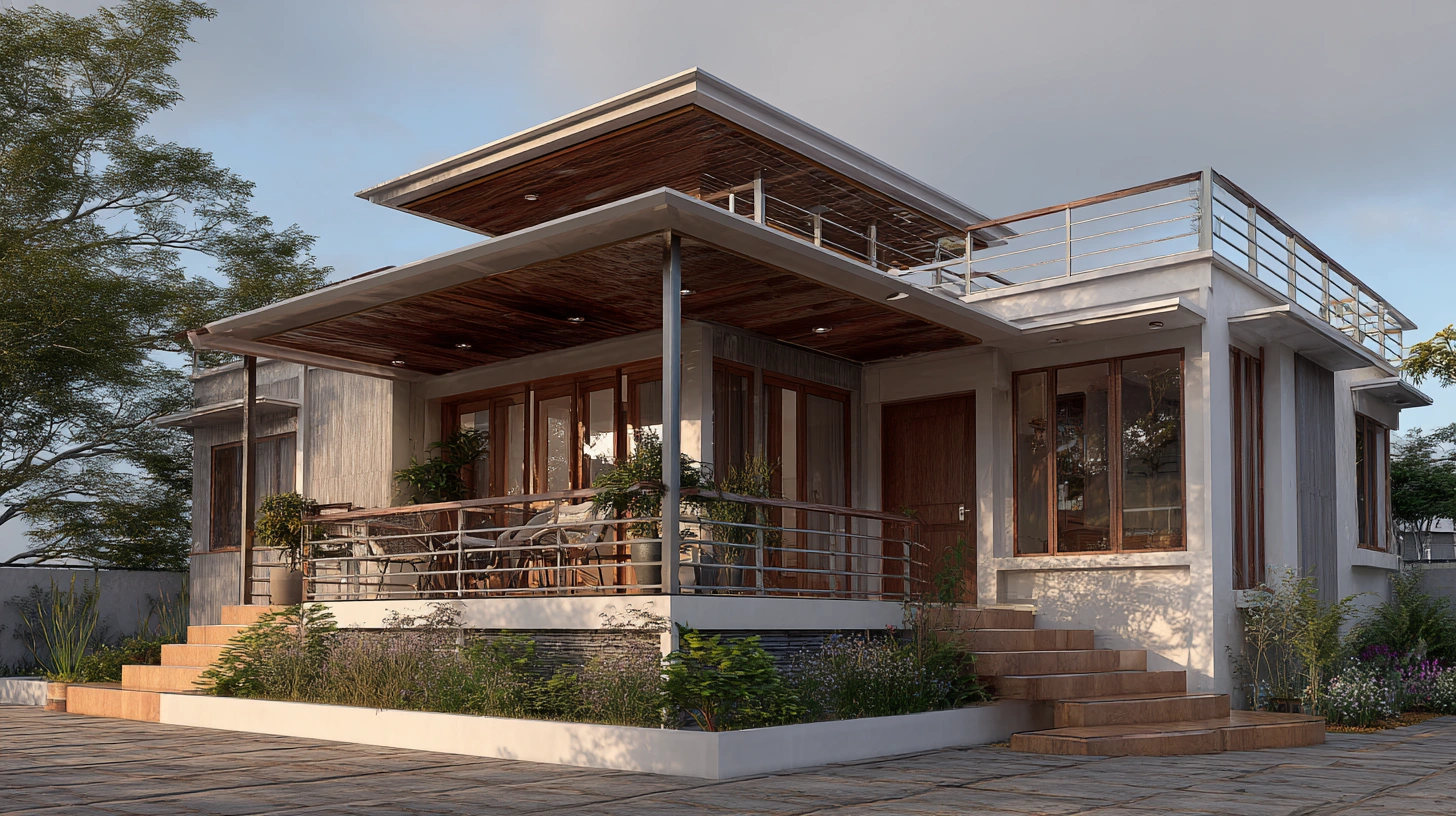
A single-storey home design with a wrapped balcony is a chic and sophisticated choice for ground-floor living. A balcony surrounds the entire exterior of the home in this layout choice, providing outdoor space for entertaining and relaxation. In addition, the house's interior may benefit from increased natural light and ventilation thanks to this design decision, making it a popular choice for those who want to live both indoors and outdoors.
Interior Design Price Packages for Ground Floor Homes
Interior design packages for ground-floor homes are designed to cover the entire interior, including living areas, bedrooms, kitchens, and storage solutions. These packages are typically available in basic, mid-range, and premium options, allowing homeowners to choose based on budget and lifestyle needs. Ground floor house designs focus on easy accessibility, better ventilation, and efficient layouts, making them ideal for families seeking comfort and convenience in everyday living.
1 BHK · ~450-600 sq ft
Essential Home
- Free personalised design consultation
- 3D layout + material preview
- Modular kitchen with loft storage
- Bedroom wardrobe with mirror
- TV unit + living room design
- Site supervision & timely handover
2 BHK · ~750-1000 sq ft
Complete Home
- Everything in Essential, plus:
- Full modular kitchen + chimney & hob
- Master + guest bedroom wardrobes
- False ceiling with lighting design
- Foyer + dining area design
- Dedicated project manager
3 BHK · ~1200-1500 sq ft
Premium Home
- Everything in Complete, plus:
- Premium finishes — laminates & veneer
- Kids' bedroom with study unit
- Bathroom vanity + accessories
- Smart storage solutions throughout
- Priority support & quality checks
Online Interior Design Cost Calculator for Home
Select your apartment size to get accurate, personalised price estimates for your interiors.
Select one
Which rooms to design?
Select all rooms that need interior work and set how many of each you need.
Add rooms & quantities
Pick your interior package
Choose the plan that fits your budget and lifestyle. All plans include a 10-year warranty.
Select a plan
- Modular kitchen with standard finish
- 1–3 wardrobes based on BHK
- TV unit included
- Standard materials & fittings
- Modular kitchen + living room unit
- 1–3 wardrobes + puja unit + TV unit
- Basic false ceiling (living area)
- Quality materials & accessories
- Premium kitchen + full living & dining
- 2–4 wardrobes + shoe rack + crockery unit
- False ceiling — living, dining & bedroom
- Foyer unit + balcony utility
- Top-grade materials & finishes
Low Budget Ground Floor House Design
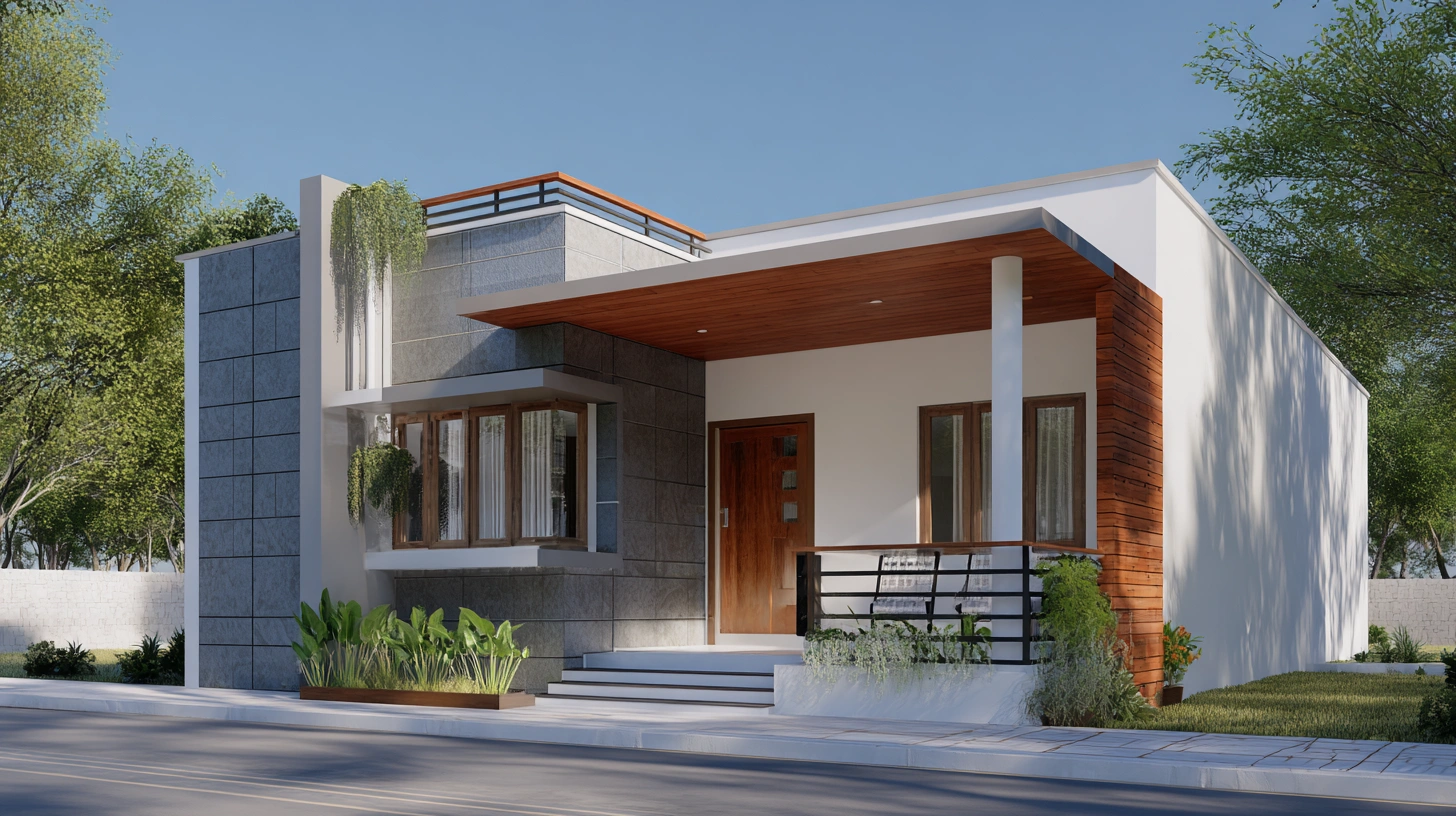
It is difficult to design a single-story home on a tight budget - low budget simple house design approaches share many of the same principles applied here, such as keeping forms rectangular, using affordable materials, and maximising natural light.
- Make the Design Simple: Keeping the Design basic is one of the simplest methods to cut costs when building a single-floor home. Avoid complex curves, angles, and forms, as they can drive up building costs. Instead, use a straightforward design, such as a rectangle or square, because it will be less expensive.
- Employ Cheap Materials: Using cheap materials is another strategy to save money on a single-floor home design. For instance, concrete blocks are less expensive and simpler to install than bricks. In addition, you may substitute affordable wood or bamboo for pricey metals and alloys.
- Maximise Space: Optimising space is essential when building a one-storey house on a tight budget. Use every square inch of space at your disposal - this principle sits at the heart of small house design, where built-in storage, vertical utilisation, and efficient room placement determine how liveable the space actually feels.
- Think about Natural Light: Making the most of it is a simple way to make your one-story home feel larger and airier. Avoid using too many artificial lights; use wide windows and skylights to let in natural light. In the long term, this can also help you reduce your power usage.
- Make the Elevation Simple: Lastly, keep the Elevation simple to reduce costs. Maintain a simple aesthetic and avoid overusing ornamental features. As a less expensive option to more expensive materials, you may also use paint to give colour and interest to the Elevation.
DIY Tips
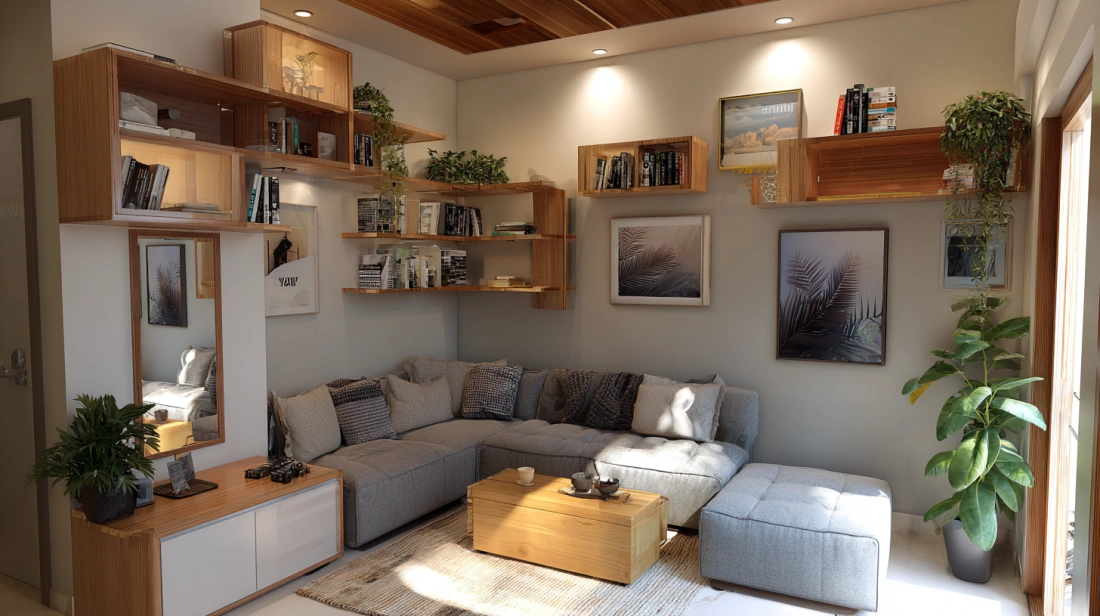
Maximising the available space when designing a ground-level area can require considerable effort. To help you make the most of the space on your bottom level, here are some do-it-yourself ideas.
- Employ Multifunctional Furniture: Adding efficient, multipurpose furniture to your home can help you save space while enhancing its usability. For instance, a couch bed can serve as both a bed and a comfy lounging space.
- Increase Vertical Storage: Increasing vertical storage will maximise your available space. For example, add wall-mounted cabinets or floating shelves to keep your belongings off the floor and organised.
- Employ mirrors: By reflecting light and making the room look brighter, mirrors may give the impression that a room is larger. For example, hang one large mirror or several smaller ones to make your lower floor appear larger.
- Maximise Storage: To maximise your ground floor area, you must optimise your storage. Use built-in storage options such as closets, cabinets, and shelves to optimise storage without occupying too much floor space.
- Consider Open Floor Plans: By removing the barriers that create a closed-in feeling, an open floor plan can create the impression of a larger area. Consider an open floor plan to make your ground level feel airier and more inviting.
- Employ Light Colours: Light shades may help a space feel airy and large. For example, choose light-coloured walls, furniture, and accessories to make your ground floor feel brighter and more spacious.
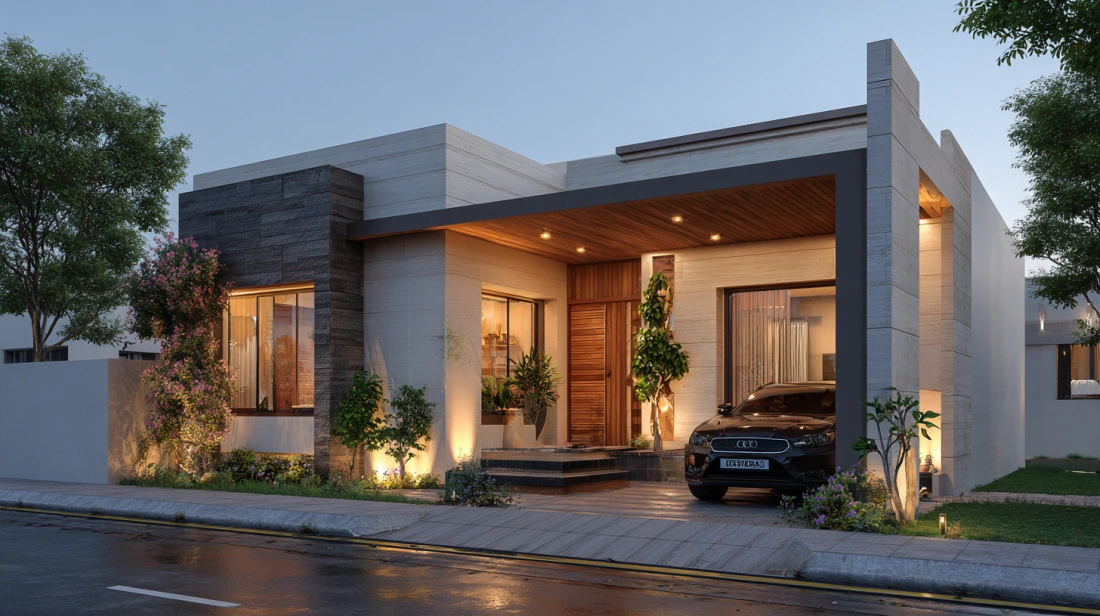
A crucial element of home building to consider is the ground-floor house design. A well-planned ground-floor home provides its occupants with a cosy, functional living space while also enhancing the building's overall architectural appeal. A good ground-floor house design must carefully consider many aspects, including site topography, construction requirements, and customer needs, whether it is a modest cottage or a large family home.
A talented architect and interior designer may collaborate to produce a design that balances practicality, originality, and style while ensuring the finished result meets the client's expectations and budget. Overall, a well-designed ground-floor house may improve the quality of life for its residents and, over time, increase the property's worth. For individuals wishing to plan and personalise their ground-floor homes, NoBroker Interiors will be helpful. We provide consumers with a range of options to search for, plan, and build their ideal ground-floor house, from real estate listings to online design tools and expert services.

Frequently Asked Questions
1. What is the significance of a well-designed ground-floor house?
2. How can interior designers and architects collaborate to create a ground-level home?
3. What elements need to be taken into account while developing a ground-floor home?
4. What typical design blunders should be avoided while creating a ground-floor home?
5. What are some suggestions for designing a ground-level house that is visually pleasing?


Our Recent Projects



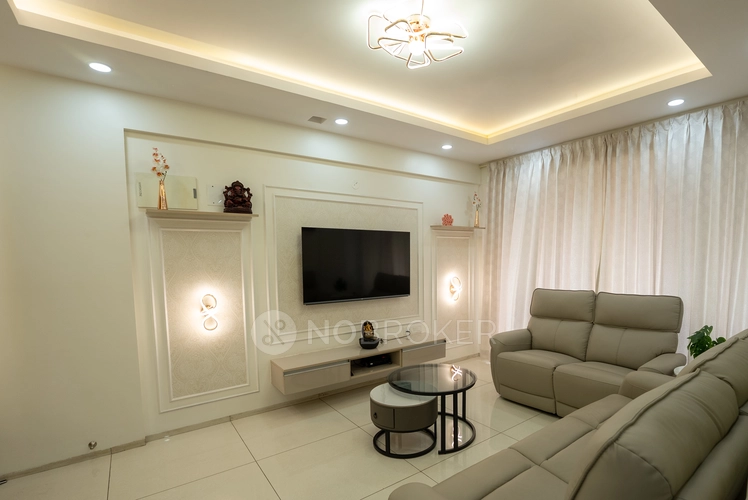
Reviews

Harley Jeetu

Had a wonderful experience with our project manager Shreyas. Everything was well coordinated and project finished well in time.

khushi jain
The interior design process was easy to explore, and it helped me organize my ideas for improvingg my home.

Suganthen
We had a wonderful experience with NoBroker Interiors. Special thanks to project manager Touched he was very calm and responsive. Produ... Read more

Mujahidul Haque
Great & The interior planning was well organizeed, and the team helped me understand how to make better use of my available space. Team... Read more

Sanoj Kumar
Good center

Archi Dubey
Truly More Organized Living Space I wanted interiors that looked attractive but were also practical for daily use. Crew professional ... Read more

Ganesh Bawaskar
Excellent work done by NoBroker team for my new flat. Best part is quality and cost both were good. No delay in work which showcase pro... Read more

Swathi Vs
Amazing experience given by NOBROKERS interiors... preferable...Tharun performance was ultimate...thanq so much tharun and team

Adhi HL
Amazing consultations by the designer they helped me finalise the designs I was looking for

Anchal Singh
Amazing center

Moynula Hoque
Planning a home renovation felt more manageable once I started exploriiing the available interior services.

Rina Dey
I had a good experience with NoBroker Interior. The team understood my requirements and suggested practicalll ideass that suited my hom... Read more

Vinodhkumar
I had a wonderful experience with Vishal V, the interior designer at NoBroker. His way of explaining things, point-by-point detailing, ... Read more

Dipti
Great Space Planning,,, I wanted to make better use of the space in my home, and the design suggestions were quite helpfull. I liked th... Read more

Divya Pendem
We are done our 3BHK flat interior work from No Broker. It was exlent and as we expected they done. Thank you all who involved in this ... Read more

Asha Kashyap
"Great interior design service by NoBroker Interiors - Whitefield! Had a wonderful experience working with their team for our home inte... Read more

Rising Soft
We trusted No Broker Interiors with our interior work and the final look of our home is lovely. At the experience centre they showed us... Read more

Sarala Buduru
The interior transformation made the space feel brighter and more welcoming. The design choiices were simmple, tasteful, and suited my needs.

Hanma
The team was responsive to my queriies and explained the interior work process clearly. Truly amazing 🤗

Pinky Mandal
NoBroker Interiors provided a useful starting point for planning a home makeoverrr according to my preferences.

S K.K
Helpful Design Guidance team bhot suggestive hai & As someone with limited knowledge of interior design, I appreciated having different... Read more

Muskan kataria
Amazing interior work! The design is elegant, modern, and beautifully finished. Every detail is thoughtfully crafted, with excellent qu... Read more

Guncreator Studio
The design suggestions were creatiive and suited the style I wanteed for my home.

Anamika Banik
Good interior service with clear communication and helpful suggestions. The work was completed neatlyyyy

Nitin Kumar Mandilwar
Good work done by project manager Manoj. Completed the work in time.

Divyanshu Mehta
Great work done by designer Divya and Govardhan. Hassle free work snd best part is they will customise everything as per need exactly. ... Read more

Jason Fernandes
I had a great experience here. When it comes to planning, delivery and execution, great work was done by the team members. Suhail Khan... Read more

Swathi Warker
Manoj is very responsive, finds solutions for all obstacles and provides ork around. He provides timely updates on work status. Manages... Read more

Rohit Gangal
We recently renovated our flat through NoBroker Interiors and it has largely been a good experience. There were some issues with the de... Read more

Nikhil Nag
I had a great experience with NoBroker Home Interiors. A special appreciation for the Project Manager Mr. Amit Toro for the excellent ... Read more

Vineeta Dalai
A big thank you to Mr. Ashwin Jaiswal, Sr. Project Manager, for turning my dream home into reality and making the entire interior journ... Read more

Riya Roy
Ideas for a Compact Home Making a smaller home look spacious was my maiin concern. The desiign concepts helped me explore better furnit... Read more

Rinki Jain
Modern Home Ideas the staff provided & I was looking for a modern yet practical look for my home. The design options I exploreed throug... Read more

Deepika Khilar
Quality work done by NoBroker. Zaki as a project manager was very sincere and good in getting things done. Few improvement suggestions... Read more

AKSHATHA S
I am writing this after using NoBroker Cleaning Services for my house and the difference is easy to see. Our chimney was greasy for mon... Read more

Priya Sardar
Overalll, the interior planning experience was smooth, and I liked the practical approach to the design. GOOD DESIGN 👍🏻

Gaurav Jain
The process of exploring interior designnn,,, options was straightforward and convenient.

kranthi kumar
Great work by NoBroker, especially in project management and coordination. Our Project Manager Nazeer did a good job in coordinating th... Read more

Krishna Varma
We had a very good experience with NoBroker Interiors for our home interior work. Designer Shivani understood our requirements well an... Read more

nagaruru sree ranga varun kumar
Did my 2bhk interiors with NoBroker team and excellent design choices. Initial on-boarding process taken care smoothly by Saurav and sa... Read more

afrose alam
Project Misbah Tasleem Mr. SK Ali and Mr. Rizwan were extremely supportive throughout the entire process. They handled everything very... Read more

Sai kiran tharala
I recently got my home interiors completed by NoBroker, and I’m extremely happy with the outcome. Initially, I was unsure about frame... Read more

Mohammed Moizuddin
We recently got our home interiors done through NoBroker Interiors, and we are very happy with the final output. The overall finish and... Read more

Dev Roy
I prefer simple interiors rather than too many decorative elements. The ideas I exxplored throughh NoBroker Interior matched that prefe... Read more

Sree Harsha Yandamuri
Project finished on time, quality was top-notch. The associate caught issues we'd have missed -> that's what you want in a quality chec... Read more

Ajay Murumkar
Truly amazing team, Budget-Friendly Planning I wanted to plan my home interiors without overspending. Compariing the available options ... Read more
Testimonials
View All
NoBroker Interiors Review | Happy Customer Testimonial by Rajani
NoBroker Interiors | Customer Testimonial by Prinyakar Polley

NoBroker Interiors | Hyderabad Customer Testimonial by Prashant Choudhary

NoBroker Home Interiors | Hyderabad 4BHK Customer Review

NoBroker Interiors Customer Testimonial | Jatan's Story
NoBroker Interiors Review | Hyderabad Customer Testimonial

NoBroker Interiors Review | Modern Dream Home Customer Testimonial

NoBroker Interiors Customer Testimonial | Fast & Quality Home Interiors

NoBroker Interiors Customer Testimonial | Pune Dream Home

NoBroker Interiors| Bangalore Customer Testimonial
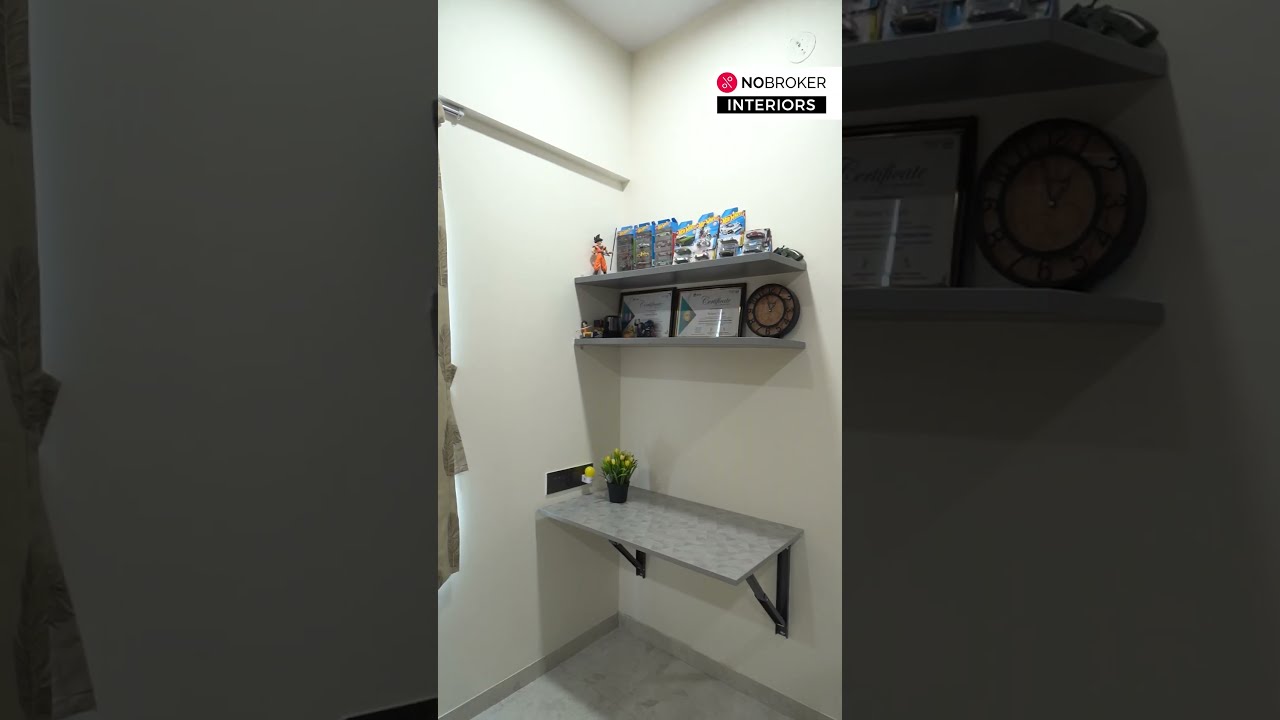
NoBroker Interiors: Sports Theme Interiors by NoBroker #interiordesign #nobrokerinteriors #nobroker

NoBroker Interiors - Customer Testimonials

That 3 PM meeting where ideas turn into floor plans, materials, and magic. 💫

Your 2026 list is here.

Smart wardrobe design that fits your life, beautifully.
POV: You gave your home a holiday hug.🥰

Blink and you’ll miss the makeover.👀

When your home finally gets its own weekend mood, this bar unit does the job beautifully.

A calm pooja corner every home needs.

NoBroker Home Interior Service | Saurabh & Prachi Share Their Story #interiordesign #shorts
About the Author

Ar. Mohammed Shahaan
Author
Ar. Mohammed Shahaan is an interior designer specialising in creating dreamy, functional, and stylish spaces that reflect each client’s personality and lifestyle. His design approach blends










Recent Blogs
Subscribe to our Newsletter
Get latest news delivered straight to your inbox