Affidavit vs Statutory Declaration: Meaning, Key Differences & When to Use Each


Affidavit Guide & Formats

118 Views
Table of Contents
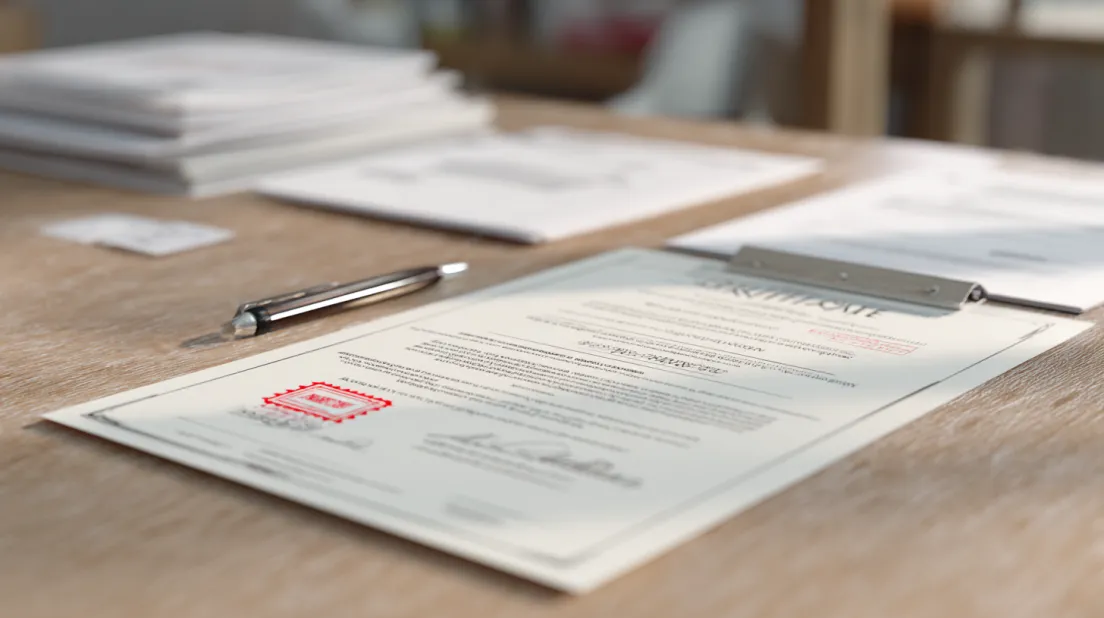
When navigating legal or administrative matters in India, the choice between an affidavit vs statutory declaration can often determine the speed and success of your application. While both are formal written statements used to establish facts, an affidavit is a sworn document primarily intended for use in judicial proceedings and as evidence in court. In contrast, a statutory declaration is a formal self-statement typically used for administrative or regulatory purposes where a religious oath is not required. Understanding the difference between a statutory declaration and an affidavit is essential for ensuring your documents are legally valid and accepted by the relevant authorities.
What Is an Affidavit?
An affidavit is a formal, written statement of facts made voluntarily by an individual, which is confirmed by an oath or affirmation before an authorized official. In India, it serves as a legally binding declaration that the information provided is true and correct to the best of the person's knowledge. The person making the statement, known as the deponent or affiant, must sign the document in the physical presence of a Notary Public, Oath Commissioner, or Magistrate to make it valid. In India, it is punishable under the Indian Penal Code with up to seven years of imprisonment if the falsehood is committed during a judicial proceeding. The document must always be in writing and follows a specific structure, including a verification clause at the end where the deponent confirms the truth of the contents.
What Is a Statutory Declaration?
A statutory declaration is a formal, written statement of facts that a person, known as the declarant, asserts to be true in the presence of an authorized witness. It differs from an affidavit because it is not sworn under a religious or formal oath. Instead, it is a solemn affirmation of the truth. It is a "statutory" act because it is usually required by a specific law or statute to satisfy an administrative requirement when other primary documentary evidence is unavailable.
Recommended Reading

Name Change for Minor in India: Procedur...
4.9K Views


How to Change Birthdate in Birth Certifi...
4.3K Views
How to Change Name in Educational Certif...
4.3K Views

How to Change Name Legally in India: Ste...
2.8K Views

What Is One and Same Person Affidavit: M...
2.5K Views
If you are wondering what is statutory declaration in the Indian context, it is most frequently used for non-contentious matters. While it carries legal weight, it is generally considered less formal than a sworn affidavit and is often insufficient in court unless a specific law explicitly allows it as primary evidence in that matter.
Comparison Table: Affidavit vs Statutory Declaration
This table highlights how the Indian legal system treats these two documents differently based on their formality and usage.
| Feature | Affidavit | Statutory Declaration |
|---|---|---|
| Nature of Statement | Written statement of facts for judicial evidence | Formal statement of truth for administrative use |
| Requirement of Oath | Mandatory (Religious oath or solemn affirmation) | Solemn affirmation only (No religious oath) |
| Authority Involved | Notary Public, Oath Commissioner, or Magistrate | Notary, Solicitor, or Gazetted Officer |
| Typical Legal Usage | Court proceedings and property disputes | Name changes and identity verification |
| Evidentiary Value | High (Admissible as testimony in court) | Lower (Mainly for regulatory compliance) |
| Terminology | Deponent or Affiant | Declarant |
Understanding the difference between a statutory declaration and an affidavit helps in selecting the right document for the right authority, saving time and potential rejection.
Key Legal Differences Between Affidavit and Statutory Declaration
The affidavit vs statutory declaration distinction is deeply rooted in the level of "solemnity" required by the law. Here are the primary legal differences that define their roles in India:
- Affidavits are sworn under oath, while statutory declarations are solemn statements without an oath: An affidavit invokes a formal religious or secular oath, whereas a declaration is a sincere, non-religious assertion of truth.
- Affidavits are primarily used in court proceedings: Under the Code of Civil Procedure, Indian courts frequently order facts to be proved by affidavit to speed up the judicial process.
- Statutory declarations are commonly used for administrative or regulatory matters: They are used for routine certifications like patent applications, company liquidations, or customs declarations.
- False statements in both documents can result in legal penalties: Both carry criminal liability, though a false affidavit is specifically treated as the high crime of perjury with stricter judicial scrutiny.
In India, if you need to file affidavit for a court case, a statutory declaration will likely be rejected because it lacks the required procedural formality and sworn element.
When to Use an Affidavit?
You should choose an affidavit when the situation involves a high level of legal scrutiny or when you are dealing with the Indian judicial system.
- Court proceedings and legal disputes: Providing written testimony when a witness cannot appear in person for every hearing or to support interim applications.
- Property or financial claims: Verifying ownership details or declaring that a property is free from legal liabilities and encumbrances.
- Family law matters such as divorce or custody: Declaring income, assets, and liabilities during matrimonial disputes to ensure fair maintenance claims.
- Situations requiring sworn testimony: High-assurance tasks like a legal name change or applying for a passport under special circumstances.
If you ever find that the facts in your document have changed after execution, you should investigate whether the affidavit can be amended or if a fresh one must be drafted to reflect the new truth.
When to Use a Statutory Declaration?
A statutory declaration is the preferred tool when the requirement is administrative and occurs outside the courtroom.
- Government applications or compliance processes: Declaring nationality or marital status when official records are missing or inaccessible.
- Verification of facts where official evidence is unavailable: Confirming past work experience if an official company letterhead or certificate is not accessible.
- Administrative or commercial documentation: Directors declaring the solvency of a company during a voluntary winding-up process or during company incorporation.
- Personal declarations required by law: Affirming the provenance of goods for customs clearance or confirming the originality of an invention for patents.
While a statutory declaration is legally binding, it is often seen as a "bridge" to provide information where a formal government certificate cannot be produced.
Legal Validity in India
The legal validity of an affidavit vs statutory declaration in India is governed by specific statutes that dictate how much weight a document carries.
- Affidavit recognized under Indian law: It is a standard instrument for judicial evidence across the country and is widely accepted.
- Governed by Notaries Act, 1952 and Evidence Act: These laws empower officials to attest the document and define its admissibility in judicial settings.
- Statutory declaration not commonly recognized as a separate legal instrument in India: Unlike in the UK, India does not have a broad "Statutory Declarations Act."
- Often replaced by affidavits in Indian legal practice: Because the affidavit is so well-defined in Indian law, most administrative departments simply ask for a notarized affidavit instead of a statutory declaration.
For any document to be valid, it must be printed on non-judicial stamp paper of the prescribed value, which varies from state to state based on the local Stamp Act.
How NoBroker Can Help With Affidavits and Legal Documentation
Navigating the complexities of legal paperwork can be overwhelming, especially when you are unsure whether you need an affidavit vs statutory declaration. NoBroker assists users in preparing affidavits and other property-related legal documents, provides ready-made templates, and connects users with verified notary services to ensure documents are properly executed and legally compliant. Our platform streamlines the entire process, from drafting the content on the correct value of stamp paper to getting it attested by an authorized Notary Public. By using our services, you can ensure your declarations meet the strict standards required by Indian courts and government offices, helping protect you from delays and legal rejections.
Frequently Asked Questions
Is a statutory declaration legally binding like an affidavit?
Can a statutory declaration replace an affidavit in court?
Do statutory declarations require notarization?
Who can witness a statutory declaration?
What happens if a statutory declaration contains false information?
About the Author

Sanjay A
Senior Editor


Recent Blogs
Subscribe to our Newsletter
Get latest news delivered straight to your inbox