Difference Between Affidavit and Petition: Meaning, Key Features & Legal Roles

Affidavit Guide & Formats

133 Views
Table of Contents
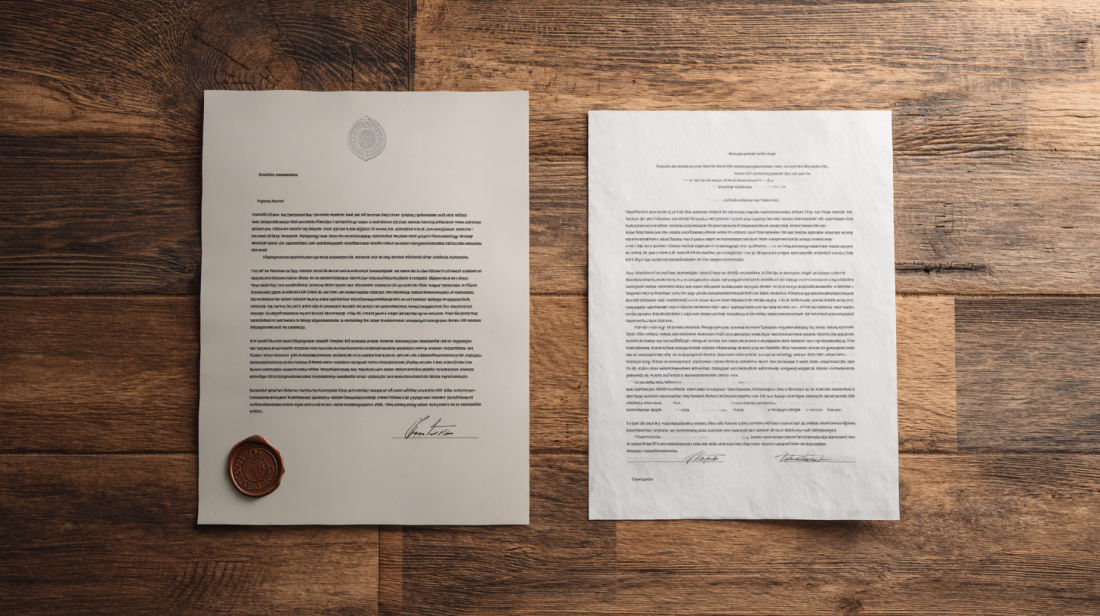
The difference between affidavit and petition is perhaps the most fundamental distinction for any person seeking justice or administrative relief. While these terms are frequently used in the same context, they are not interchangeable. A petition serves as the primary request for action, whereas an affidavit serves as sworn proof supporting the claims made in that request. Understanding how these documents interact is essential to ensuring that your legal filings are considered complete and valid by a court of law.
What Is an Affidavit?
To understand what is an affidavit, one must view it as a written statement of facts voluntarily made under oath or affirmation before a notary or authorized officer. Because it is sworn under the penalty of perjury, making false statements in an affidavit is a punishable offense under the Indian Penal Code. You can explore more about what is affidavit to understand its various administrative uses.
What Is a Petition?
If you are wondering what a petition is, it is a formal written request submitted to a court or authority seeking a specific legal remedy or action. Unlike a simple letter or complaint, a petition initiates legal proceedings and outlines the facts, grounds, and the specific relief sought by the petitioner. It serves as the primary pleading that sets the judicial process in motion, particularly in constitutional matters, public law, or when seeking orders such as a writ or a divorce.
Recommended Reading

Name Change for Minor in India: Procedur...
4.9K Views


How to Change Birthdate in Birth Certifi...
4.3K Views
How to Change Name in Educational Certif...
4.3K Views

How to Change Name Legally in India: Ste...
2.8K Views

What Is One and Same Person Affidavit: M...
2.5K Views
Comparison Table: Affidavit vs Petition
The difference between affidavit and petition becomes clearer when comparing their functional roles in a legal setting. The following table summarizes the key distinctions based on Indian legal standards.
| Feature | Affidavit | Petition |
|---|---|---|
| Nature of Document | A sworn statement of facts. | A formal pleading or request for relief. |
| Purpose and Function | To verify truth and provide evidence. | To start a case or seek a court order. |
| Role in Legal Process | Acts as supportive evidence. | Serves as the foundation of the lawsuit. |
| Requirement of Oath | Mandatory; must be notarized. | Not mandatory, but verified by affidavit. |
| Format and Structure | Written in first person; factual. | Formal style; ends with a "Prayer" clause. |
| Typical Usage | Name changes; verifying petitions. | Writ Petitions (Art. 32/226); PILs; SLPs. |
Key Differences in Legal Role
Understanding the difference between affidavit and petition involves looking at how they function together in a courtroom.
- Affidavit supports facts with sworn statements: Its primary job is to tell the court that the stories told in the case are true, backed by the deponent’s personal oath.
- Petition initiates legal action: It serves as the vehicle that brings the grievance before the judge and frames the legal questions to be answered.
- Affidavit may be attached to a petition as evidence: In many cases, especially for urgent stays or injunctions, the affidavit provides the factual basis for the court to act.
- The petition outlines the claims and relief sought: it specifies exactly which laws were broken and what the petitioner wants the court to do about it.
- An affidavit strengthens the credibility of statements: By signing under penalty of perjury, the person demonstrates seriousness about their claims, making the case more reliable.
When to Use an Affidavit?
Knowing what is an affidavit helps you identify when you need to provide a sworn statement outside of just starting a lawsuit.
- Providing factual evidence in court: When a witness cannot appear in person, an affidavit can record their testimony (Examination-in-Chief) if the judge permits it.
- Supporting documents in legal proceedings: Almost every application for a stay order or temporary injunction requires a supporting affidavit.
- Identity or address declarations: These are common for name changes, marriage registrations, or when official birth certificates are missing.
- Property or financial matters: Used for declaring legal heirs, verifying income for loans, or documenting the loss of high-value certificates to get duplicates. For modern convenience, some states even allow an e-affidavit for administrative tasks.
When to File a Petition?
Understanding what does a petition do is important for knowing when to seek the intervention of a higher court or authority.
- Initiating a lawsuit or legal proceeding: Use a petition when standard administrative channels fail, and you need a court to declare your legal status or rights.
- Seeking relief from a court or authority: This is common in Writ Petitions under Articles 32 or 226 of the Constitution when a fundamental right is violated.
- Filing complaints or claims: Petitions are used for matters of public interest, such as Public Interest Litigation (PIL), addressing environmental or corruption issues.
- Requesting enforcement of rights: When a public official refuses to do their duty, a petition for Mandamus can compel them to take the required legal action.
How NoBroker Can Help With Legal Documentation
Dealing with the difference between affidavit and petition can be stressful, especially when property matters or identity verifications are involved. NoBroker helps users prepare legal documents, such as affidavits and property-related paperwork, provides templates, and connects them with professionals to ensure a smooth documentation process. Whether you need assistance with notarization, drafting a name change declaration, or ensuring your rental agreements are legally sound, the platform offers expert guidance to save you time and effort.
Frequently Asked Questions
Can an affidavit be used instead of a petition?
Is an affidavit required with every petition?
Who can file a petition in court?
Does a petition need notarization?
What happens after a petition is filed?
About the Author

Sanjay A
Senior Editor


Recent Blogs
Subscribe to our Newsletter
Get latest news delivered straight to your inbox