Planning to rent out your property for the first time but confused about how to find trustworthy tenants, set the right rent, or handle legal formalities? Becoming a landlord in the Indian market involves navigating specific local regulations and tenant expectations. In this guide, we provide simple step-by-step solutions to help you rent out your property. Whether you are figuring out how to rent out my property for a steady income or learning the best ways to advertise rental property, this guide covers everything from listing to legal protection.
How to Rent Out My Property
Following a structured process ensures your investment remains profitable and legally secure. These six steps simplify the transition from property owner to successful landlord:
- Prepare your property for rent by completing necessary repairs, fixing leaks, and applying a fresh coat of paint.
- Determine the right rental price by evaluating current market rates and the amenities in your specific neighbourhood.
- Advertise rental property online on high-traffic property listing websites to reach a wider audience of potential tenants.
- Screen tenants carefully by verifying their professional background, income stability, and proof of identity.
- Finalize the agreement and deposit in accordance with the latest rules 2026 and the Model Tenancy Act.
- Hand over the property only after completing a move-in inspection and receiving the signed contract.
How to Advertise Rental Property
To attract high-quality tenants quickly, your advertisement needs to stand out. Effectively learning how to advertise rental property involves choosing the right platforms and providing comprehensive details that answer a tenant's questions before they even ask.
Where to Advertise Rental Property
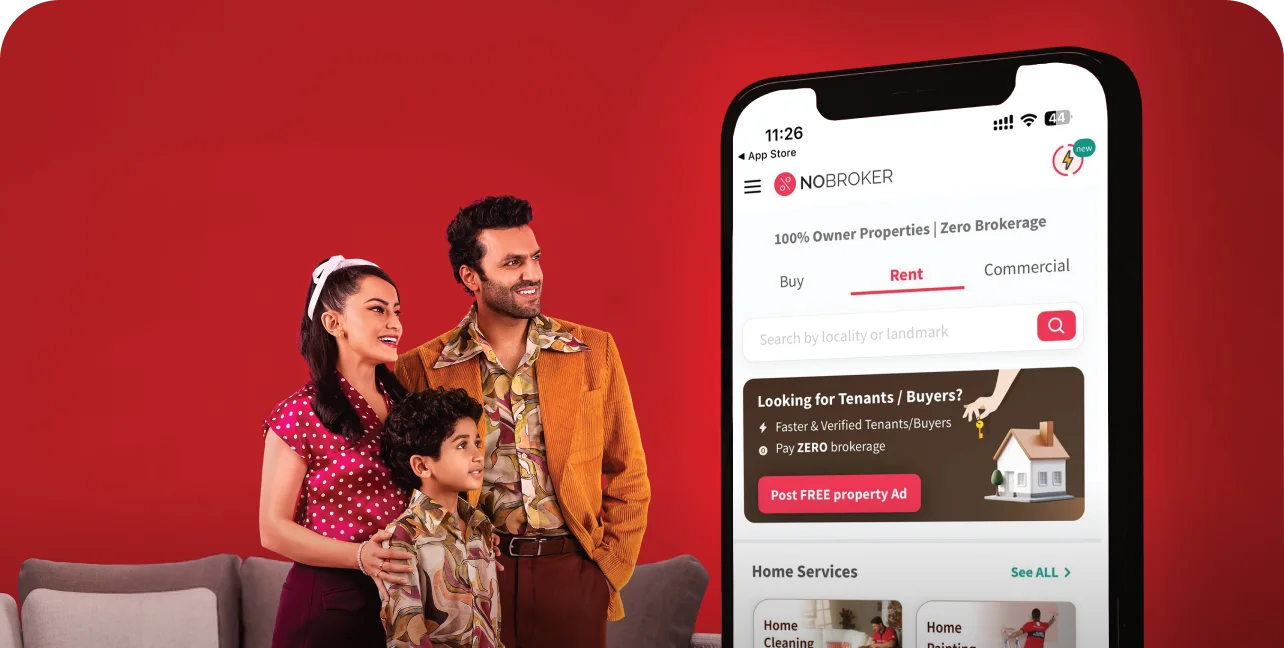
You should list your home on high-traffic property listing websites like NoBroker to gain maximum visibility without middleman interference. While hiring local brokers is an option, it is often time-consuming, expensive and may not always yield the perfect tenants who match your specific requirements. Leveraging social media community groups and professional rental apps allows you to manage inquiries directly and efficiently.
What Details to Include in a Property Listing
A detailed listing reduces unnecessary calls and attracts serious inquiries. Ensure you include:
- Rent and Charges: Clearly state the monthly rent, maintenance charges, and the required security deposit.
- Property Specifics: Mention the floor number and facing direction (e.g., East-facing), as many tenants prioritize these for Vastu or ventilation.
- Exact Location: Highlight nearby landmarks, such as metro stations, schools, supermarkets, and major transport hubs.
- Building Amenities: List features like a lift, security services, power backup, gym, or clubhouse access.
- Society Rules: Mention the pet policy (allowed or restricted) and any specific visitor entry rules followed by the apartment society.
- Tenant Preference: Specify if the property is preferred for families, working professionals, bachelors, or open to all.
- Structure Type: Clarify if the property is part of a gated community or a standalone building.
Photos That Attract Tenants
High-quality photos and videos are essential for increasing tenant inquiries more quickly. Focus on these areas:
- Living Room: Showcase the space, flooring, and natural lighting available in the main hall.
- Bedrooms: Take clear shots of the cupboards, wardrobes, and available floor space.
- Kitchen: Highlight the storage cabinets, modular fittings, and overall cleanliness.
- Bathrooms: Ensure these are spotless and highlight modern fittings or geysers.
- Exterior and Parking: Include photos of the building facade, the gate, and the designated covered parking area.
Sample Property Listing Template
Title: 2BHK for Rent in RR Nagar | Semi-Furnished | Family Preferred | Ready to Move
Description:
- 2 Bedrooms, 2 Bathrooms
- 1020 sq ft with spacious balcony
- Located on the 3rd Floor | South Facing
- Semi-furnished with 5 wardrobes, geyser, and a modular kitchen
- Gated community with lift, security, and power backup
- Close to metro station, reputed schools, and major office hubs
- Ideal for families or working professionals
- Pets allowed
- Covered parking available
Rent Details:
- Monthly Rent: ₹24,000
- Maintenance Charges: NA
- Security Deposit: ₹50,000
Availability: Ready to Move / Available From [Date]
Contact Details: NA
How to Decide the Right Rent for Your Property
Setting the correct price is a balance between maximizing your income and avoiding long periods of vacancy.
- Conduct Thorough Market Research: Compare at least 3–5 similar rental properties in your neighborhood to understand the average rent based on location, size, furnishing status, and property condition.
- Evaluate Property Amenities: Features such as a gym, swimming pool, clubhouse, covered parking, security systems, elevators, and 100% power backup can justify charging 5%–10% higher rent than standard properties nearby.
- Analyze Connectivity & Location Advantages: Properties located near metro stations, IT hubs, schools, hospitals, shopping centers, or business districts generally attract higher rental demand and better pricing opportunities.
- Consider Furnished vs. Unfurnished Value: Fully furnished or semi-furnished homes with appliances, modular kitchens, wardrobes, and air conditioners can command a premium compared to unfurnished units.
- Check Current Demand Trends: Monitor seasonal rental demand, migration patterns, and local market activity to understand whether rents are rising or stabilizing in your area.
- Factor in Maintenance Costs: Monthly maintenance charges, society fees, parking costs, and property taxes should be considered while deciding the final rental amount to maintain healthy profit margins.
- Review Tenant Preferences: Families, working professionals, and students may prioritize different features such as security, workspace, nearby transport, or internet connectivity, which can influence rental pricing.
- Avoid Overpricing the Property: Setting an unrealistically high rent may increase vacancy periods, leading to greater income loss over time than a slightly lower but consistently occupied property.
Tenant Verification Process Before Renting
Tenant verification is a mandatory safety step to protect your property and comply with local laws.
- Identity Check: Collect and verify ID proof, such as a PAN card or Aadhaar card, for every adult occupant.
- Income Verification: Review the latest three salary slips or a job offer letter to ensure the tenant can comfortably afford the rent and maintenance.
- Reference Check: Ask for a reference from a previous landlord to understand their past behavior, cleanliness, and payment consistency.
- Police Verification: Complete the mandatory police verification through the local state police portal. This is a vital legal requirement in most Indian cities: screening for any prior criminal history.
Rental Agreement and Deposit Basics
The rental agreement serves as your primary legal shield. Understanding the latest rules 2026 and the Model Tenancy Act 2021 ensures a transparent relationship.
- Duration: In India, residential agreements are typically made for 11 months to simplify renewal and adjustment processes.
- Security Deposit: Under the Model Tenancy Act, the security deposit for residential properties is generally capped at two months' rent, though local customs in cities like Bangalore may vary.
- Terms and Conditions: Clearly define the notice period (usually 1 month), the annual rent escalation percentage (typically 5% to 10%), and who is responsible for minor vs. major repairs.
Documents Required to Rent Out Property
Maintain a complete file of these documents to ensure a smooth registration and verification process:
- Ownership Proof: Title Deed, original allotment letter, or the most recent property tax receipt.
- Landlord & Tenant ID: Passport, Voter ID, or PAN cards for both parties.
- Rental Agreement: A registered agreement signed by the landlord, tenant, and two witnesses.
- Verification Acknowledgement: The receipt or acknowledgement from the local police station regarding the tenant's verification.
Common Mistakes to Avoid While Renting Property
First-time landlords often encounter issues due to overlooking small details. Avoiding these common errors will protect your monthly budget and your long-term peace of mind.
- Overpricing: Setting the rent too high often leaves the property vacant for months, resulting in a greater total loss than a slightly lower monthly rent would have caused.
- Poor Presentation: Using blurry or dark photos makes your home look unattractive and unprofessional in online listings.
- Skipping Verification: Bypassing the verification process significantly increases the risk of legal disputes or hosting problematic occupants.
- Neglecting Rental Agreements: Relying on verbal commitments rather than a properly drafted rental agreement can lead to disputes over rent, maintenance responsibilities, security deposits, or notice periods.
- Ignoring Property Maintenance: Delaying repairs or failing to maintain cleanliness, plumbing, electrical systems, or appliances may drive away good tenants and reduce property value.
- Not Understanding Local Rental Laws: Failing to comply with local rental regulations, tenant rights, or registration requirements can lead to legal penalties and disputes.
- Being Unresponsive to Tenant Concerns: Delayed communication about repairs, complaints, or emergencies can strain the landlord-tenant relationship and increase tenant turnover.
How to Rent Out Property Faster
To reduce vacancy time, a proactive digital approach is necessary. Listing your home on multiple platforms, such as the NoBroker app, allows you to reach thousands of seekers instantly.
- List Your Property on Multiple Platforms: Publishing your property on trusted rental platforms and apps helps you reach a larger audience of potential tenants quickly and increases inquiry rates.
- Use Competitive Pricing Strategies: Pricing your property slightly below the highest market rate can create immediate interest, attract multiple inquiries, and reduce vacancy periods.
- Upload High-Quality Photos & Videos: Professional images, video walkthroughs, and virtual tours help tenants understand the property better and increase engagement with your listing.
- Keep the Property Clean & Move-In Ready: A freshly cleaned, well-maintained, and properly painted home creates a positive first impression during visits and encourages faster decision-making.
- Highlight Key Amenities & Location Benefits: Mention features like security, power backup, Wi-Fi readiness, metro connectivity, schools, hospitals, shopping centers, or IT parks nearby to increase appeal.
- Ensure Proper Documentation is Ready: Keeping rental agreements, ID requirements, maintenance details, and ownership documents prepared in advance speeds up the finalization process.
How to Rent Out Property in Major Cities
Each urban hub in India has unique requirements for landlords regarding documentation and marketing.
Renting Property in Bangalore
The demand is exceptionally high in IT corridors like Whitefield, Sarjapur, and Electronic City. In Bangalore, using rental apps like NoBroker is the standard for avoiding high brokerage fees. While the Model Tenancy Act suggests a two-month deposit, many owners still negotiate for higher deposits. Focus your marketing on "proximity to tech parks" and "Gated Community" features to attract high-income IT professionals.
Renting Property in Delhi
In the capital, location and connectivity to the Delhi Metro are the biggest selling points. Government verification is strictly mandated, and landlords must use the Delhi Police's online portal to report tenants. When marketing your property, emphasize safety features, water supply reliability, and "Metro connectivity" to stand out in a crowded market.
Renting Property in Mumbai
Space is at a premium in Mumbai, so even compact flats see high demand. Beyond the standard agreement, a Society NOC (No Objection Certificate) is often required before a tenant can move in. Highlight "nearby connectivity," "dedicated parking," and "amenities" like a lift or security, which are highly valued in the city's fast-paced environment.
Conclusion
Renting out your home in India is a straightforward process when you prioritize preparation and legal compliance. By setting a fair price and creating a detailed, nuanced listing, you can attract reliable occupants who will treat your property with respect. Remember that effectively learning to advertise rental property on professional platforms like NoBroker is the key to minimizing vacancy and maximizing your returns. Please always follow the Model Tenancy Act guidelines and complete police verification to stay protected. List your property today to experience a smoother, faster way to find the right tenants.
Frequently Asked Questions
How do I rent out my property in India? Prepare the house with repairs and paint, determine a competitive market rent, and list it on digital platforms with clear photos and a detailed description.
What is the best way to advertise rental property online? Use high-traffic property websites and social media groups. Provide comprehensive details like facing direction, floor number, and nearby landmarks to attract serious tenants.
Where can I advertise rental property for free? Many digital platforms allow owners to list their properties for free, and local community WhatsApp or Facebook groups are also excellent free resources.
How do I decide the rent for my property? Compare your property with at least 3 to 5 similar listings in your immediate neighborhood and adjust based on unique amenities like power backup or gym access.
How can I rent out my property faster? Ensure your price is competitive, use professional-grade photos and videos, and list on multiple high-traffic apps to maximize visibility.
How do I quickly find tenants for my property? Respond to inquiries promptly and ensure your listing highlights proximity to transit hubs, such as metro stations or major office areas.
How to verify tenants before renting my property? Check their professional background with salary slips, verify their identity documents, and always complete the mandatory police verification process.
What documents are required to rent out property in India? You need proof of property ownership, identity documents for both parties, and a legally registered rental agreement.
What should be included in a rental agreement in India? It must include the monthly rent, the security deposit amount, the notice period, the maintenance responsibilities, and the total duration of the stay.
How long does it take to rent out a property in India? If the property is priced correctly and advertised with high-quality visuals on major platforms, it typically takes between 15 to 30 days to find a tenant.
Most Viewed Articles
Loved what you read? Share it with others!



 ✕
✕


 Full RM + FRM support