


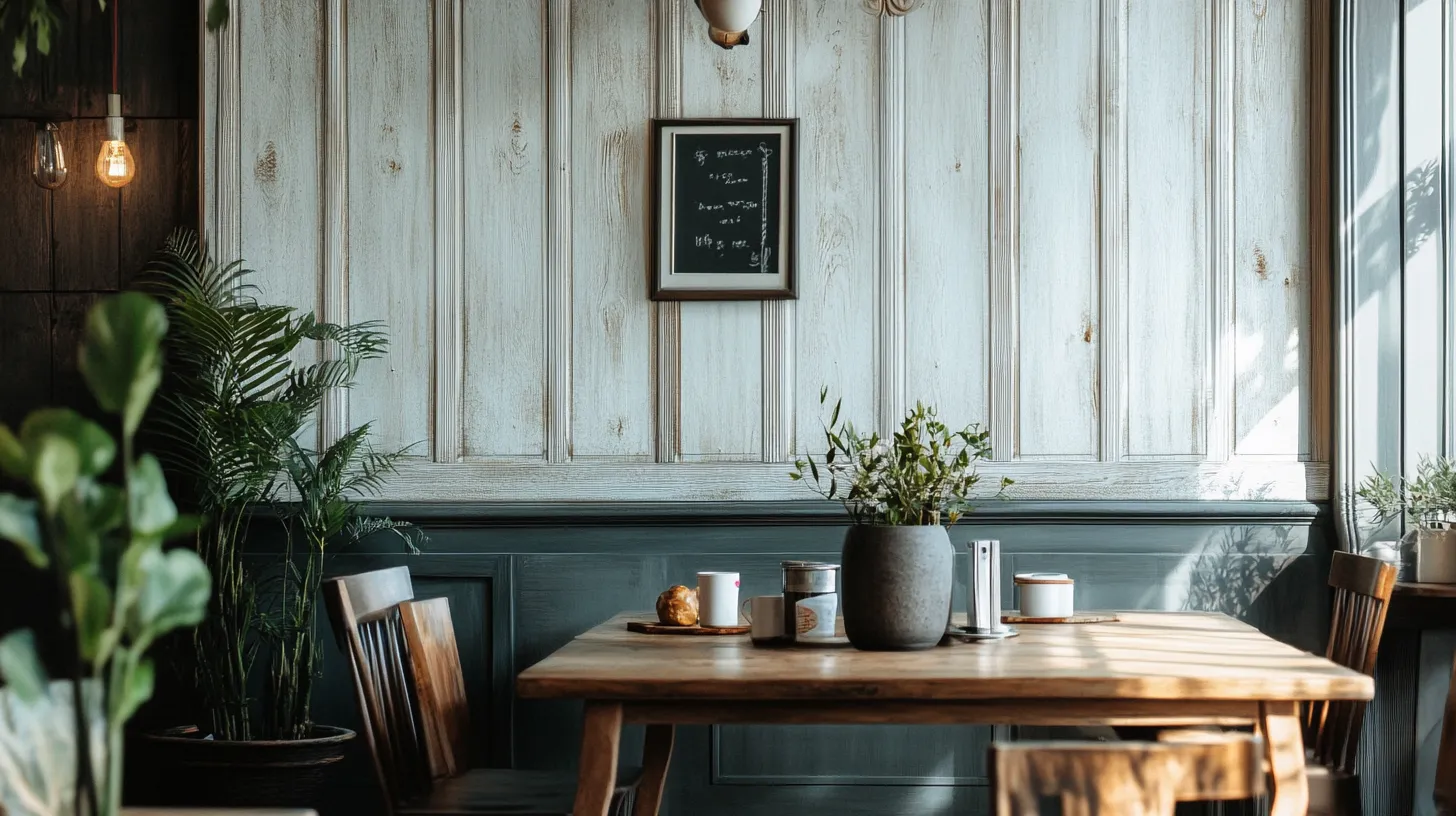


Wall panelling stands as a transformative element in modern home design. Moreover, it elevates your living space by adding depth and character through various textures and patterns. Additionally, these panels serve as a protective shield, guarding your walls against daily wear, unexpected impacts, and moisture infiltration. Meanwhile, its sound-dampening properties create a more peaceful indoor environment. Once installed, these panels require minimal upkeep beyond occasional dusting and cleaning, thereby saving both time and money in the long run.
What are 5 Signs that Your Walls Need Panelling?
Identifying wall problems early can save homeowners from costly repairs. Understanding these key signs helps make informed decisions about wall panelling installation. This guide explores five critical indicators that suggest your walls might benefit from professional panelling solutions.
Recommended Reading
Top 26 Wall Paint Colour Combinations Id...

138.5K Views

Feb 03, 2025
Top 30 Popular Colour for Bedroom Walls ...
69.6K Views
May 16, 2025
20 Best Boundary Wall Colour Combination...
64.5K Views
Jan 31, 2025
Best Paint for Exterior Walls in India: ...
57.1K Views
May 16, 2025
Best Kitchen Colors as Per Vastu: Direct...
53.9K Views
May 17, 2025
1. Do Your Walls Have Visible Damage Like Cracks, Dents, or Peeling Paint?
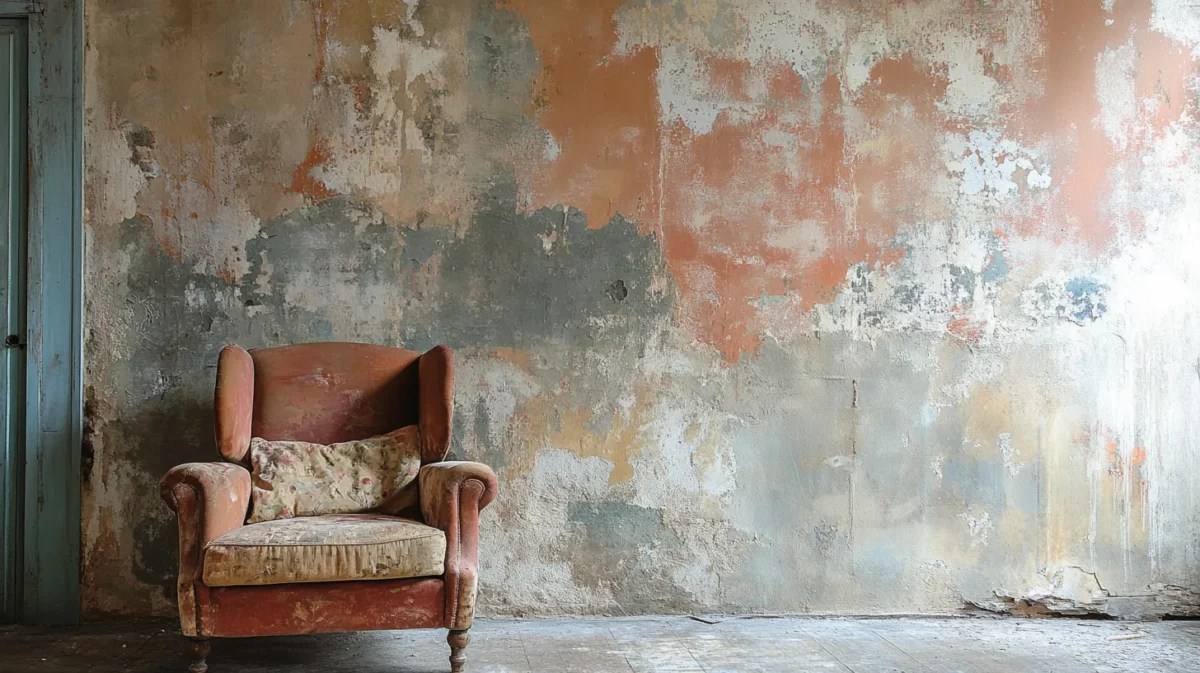
Living with damaged walls impacts both aesthetics and structural integrity. These issues often worsen over time, leading to more extensive repairs if left untreated.
What causes wall cracks, dents, and peeling paint?
Poor construction methods and environmental factors often cause wall damage. Subsequently, temperature changes and building settlement create cracks and surface imperfections.
Why is damaged drywall a problem for homeowners?
Damaged drywall compromises your home's structural stability. Meanwhile, it creates an unsightly appearance that diminishes your property's value.
How can panelling cover imperfections and extend wall life?
Quality panelling effectively conceals wall imperfections. Furthermore, it provides a protective layer that prevents future damage and extends wall longevity.
2. Are Your Walls Affected by Persistent Dampness & Mold Growth?
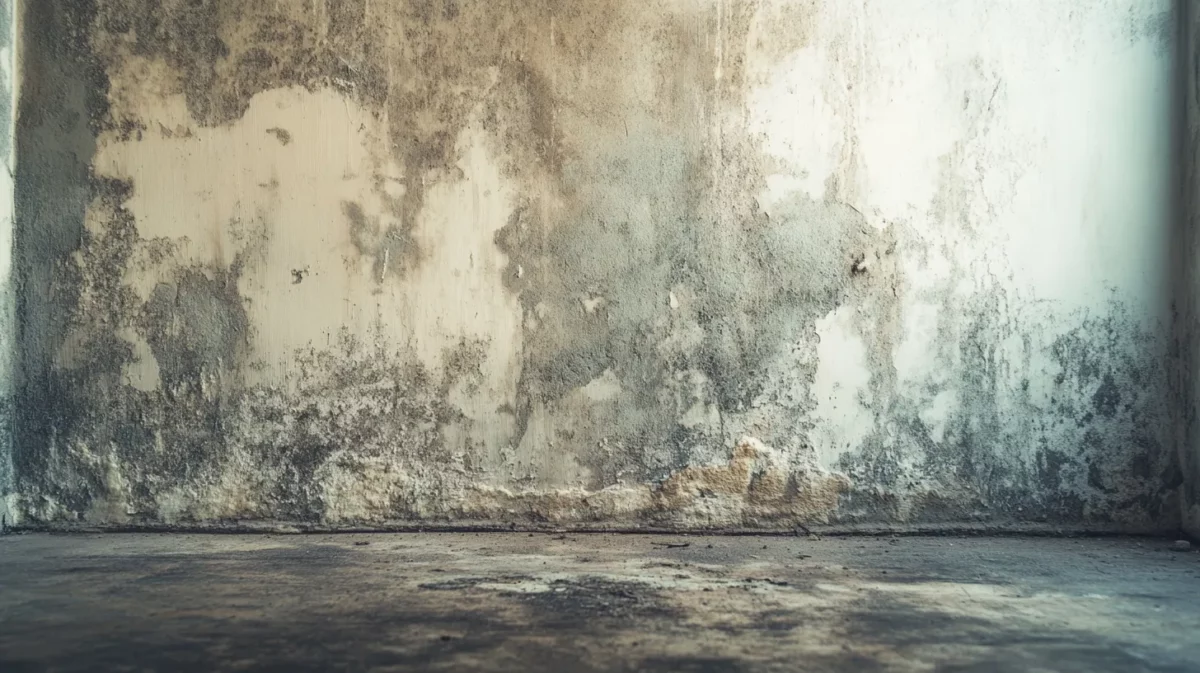
Moisture issues in walls present serious concerns for homeowners. Additionally, these problems typically indicate underlying issues that require immediate attention.
What causes dampness and mold on walls?
Plumbing leaks and poor ventilation commonly cause wall dampness. Subsequently, high humidity levels create perfect conditions for mold growth.
How does moisture damage affect your home and health?
Moisture damage leads to structural weakening and health risks. Moreover, it creates an unhealthy living environment that affects respiratory health.
Can moisture-resistant paneling prevent further damage?
Moisture-resistant panels create an effective barrier against dampness. Furthermore, they prevent mold growth while maintaining healthy indoor air quality.
3. Do Your Walls Look Outdated or Unappealing?
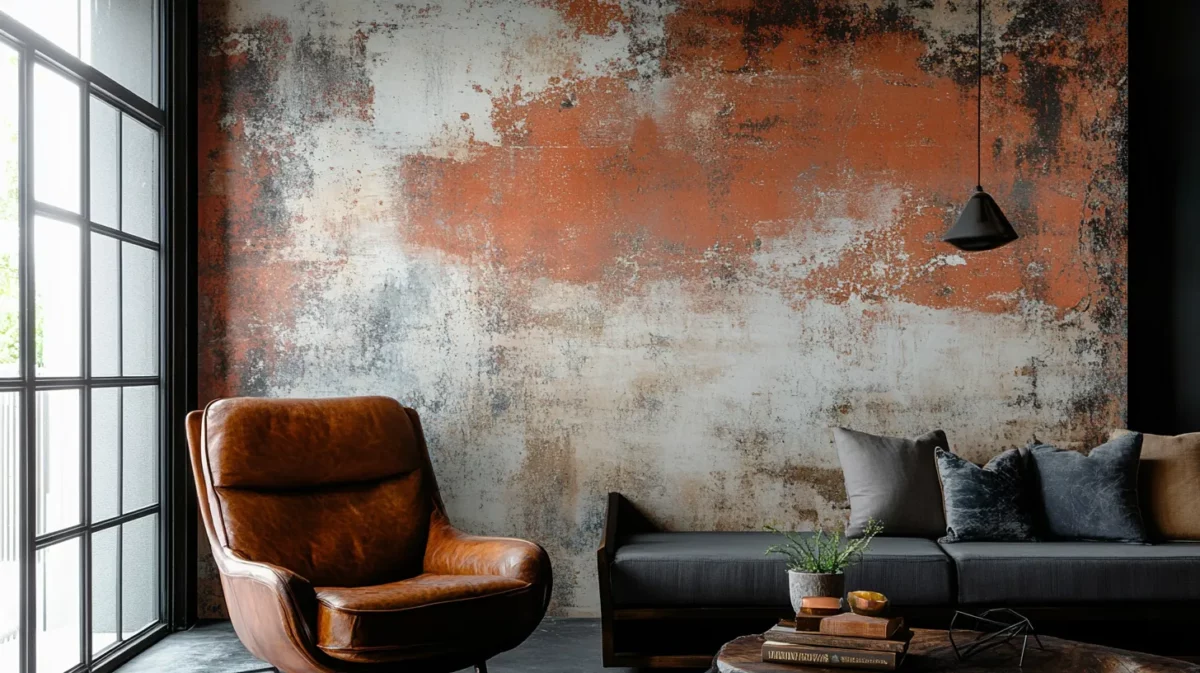
Dated wall designs can make entire rooms feel stuck in the past. Meanwhile, modern design trends demand fresh, contemporary approaches to wall treatments.
What are common signs of outdated wall decor?
Outdated patterns, faded colors, and worn texture age your space. Subsequently, these elements create a tired, uninviting atmosphere.
How does an outdated wall impact home aesthetics and resale value?
Old wall designs significantly reduce property appeal. Moreover, they can make spaces feel smaller and less welcoming to potential buyers.
How can panelling transform a room with a modern look?
Modern panelling instantly updates room aesthetics. Furthermore, it adds contemporary style while increasing overall home value.
4. Do You Experience Noise Issues Between Rooms?
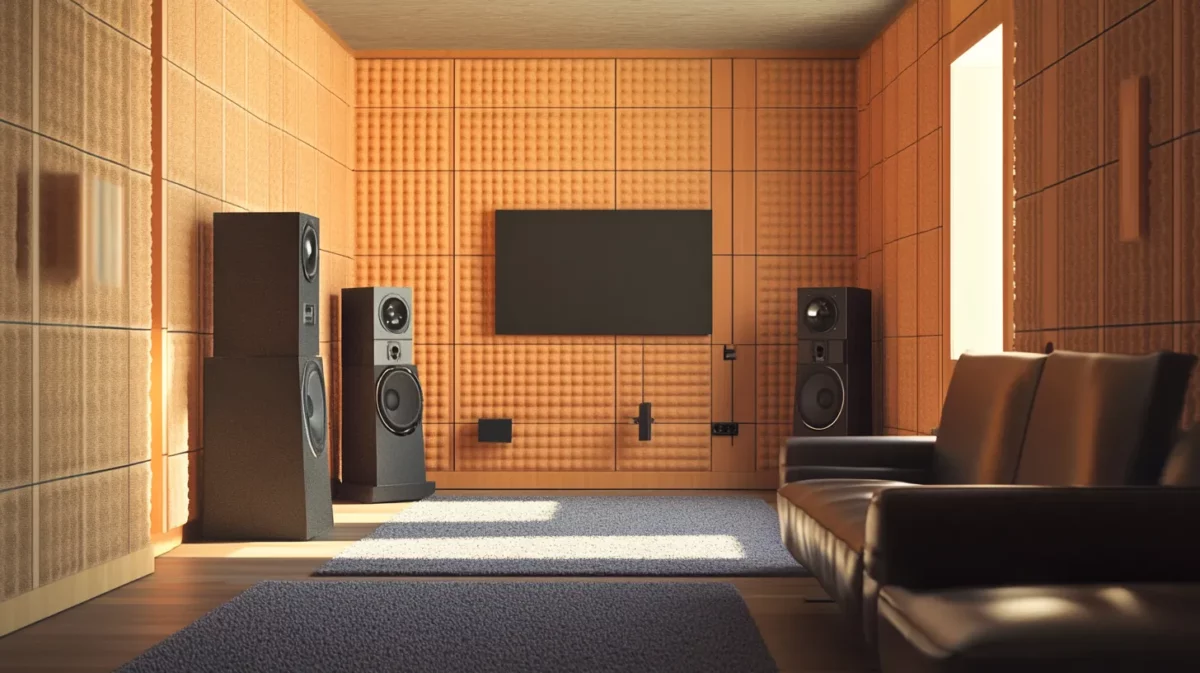
Sound transmission between rooms affects daily comfort. Additionally, poor acoustic control can disrupt work, rest, and family activities.
Why do some walls fail to block noise effectively?
Thin walls and inadequate insulation allow noise to travel freely. Subsequently, modern construction often lacks proper sound barriers.
How do noise disturbances affect comfort and privacy?
Excessive noise reduces privacy and disrupts daily life. Moreover, it creates stress and affects concentration in home offices.
Can soundproof wall panels help reduce noise issues?
Sound-dampening panels significantly reduce noise transfer. Furthermore, they create peaceful environments in busy households.
5. Are You Constantly Repainting and Maintaining Your Walls?
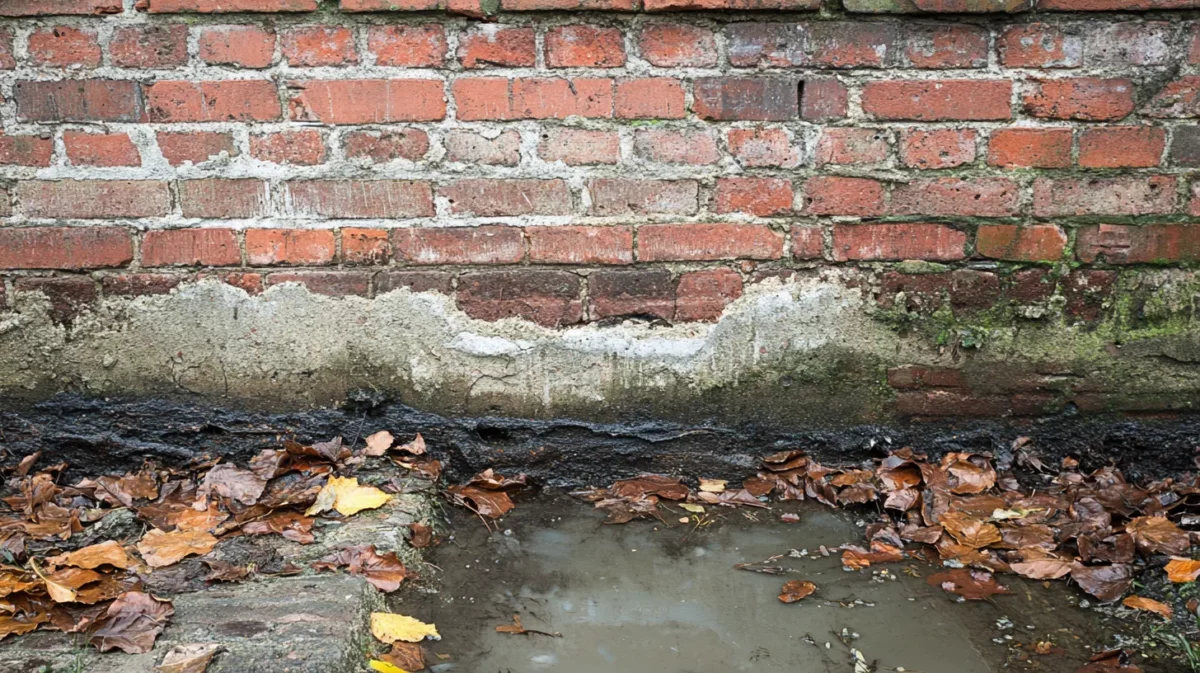
Constant wall maintenance drains time and resources. Additionally, recurring issues indicate the need for a more permanent solution.
What causes frequent stains, scuff marks, and wall deterioration?
Daily wear and environmental factors cause rapid deterioration. Subsequently, traditional wall surfaces require frequent attention and repairs.
Why is frequent repainting costly and time-consuming?
Regular repainting involves significant expense and effort. Moreover, it disrupts household routines and creates ongoing inconvenience.
How does durable panelling reduce maintenance needs?
Durable wall panels minimize maintenance requirements. Furthermore, they provide long-lasting protection while reducing upkeep costs.
How to Choose the Right Panelling for Your Home?
Selecting appropriate wall panelling requires careful consideration of various factors. Understanding different materials and their applications helps make informed decisions. This guide explores essential aspects to consider when choosing wall panelling for your space.
What Are the Different Types of Wall Panelling?
Understanding various panelling options helps homeowners make informed choices. Additionally, each material offers unique benefits and suits different applications. Moreover, considering these options carefully ensures long-term satisfaction with your investment.
What are the benefits of wood panelling?
Wood panelling brings natural warmth and timeless elegance to spaces. Furthermore, it offers excellent durability and can be refinished multiple times. Meanwhile, its versatile design options complement various interior styles.
Is PVC panelling a good option for moisture-prone areas?
PVC panelling excels in bathrooms and kitchens. Additionally, it resists moisture, prevents mold growth, and requires minimal maintenance. Subsequently, it provides a cost-effective solution for high-humidity environments.
How does MDF panelling balance affordability and style?
MDF panelling delivers sophisticated looks at reasonable prices. Moreover, it accepts paint readily and offers smooth, consistent surfaces. Furthermore, its lightweight nature makes installation straightforward and manageable.
What makes 3D wall panels a modern interior choice?
3D panels create stunning visual impact and depth. Subsequently, they transform plain walls into architectural features. Meanwhile, these panels offer superior acoustic properties while adding contemporary flair.
What Factors Should You Consider Before Choosing Wall Panelling?
Making the right panelling choice involves evaluating several key elements. Furthermore, considering these factors ensures your investment meets both practical needs and aesthetic preferences. Moreover, proper planning prevents costly mistakes.
How does budget impact your paneling selection?
Budget considerations directly influence material selection and installation scope. Additionally, some materials offer better long-term value despite higher initial costs. Meanwhile, factoring in maintenance expenses helps determine total ownership costs.
What type of panelling suits different rooms?
Different rooms demand specific panelling characteristics. Moreover, moisture levels, sunlight exposure, and traffic patterns affect material choice. Subsequently, selecting appropriate panels ensures optimal performance in each space.
What type of panelling suits different rooms?
Installation methods impact overall project costs and timeline. Furthermore, some materials require professional expertise for proper fitting. Meanwhile, DIY-friendly options can reduce expenses for skilled homeowners.
DIY vs. Professional Installation – What’s Best for You?
Deciding between DIY and professional wall panelling installation significantly impacts project success. Moreover, understanding your capabilities and project requirements helps make the right choice. Furthermore, evaluating both options ensures optimal results for your home improvement project.
Is DIY Wall Panelling a Good Option?
Taking on wall panelling as a DIY project can save money and provide personal satisfaction. Additionally, many modern panelling systems come with user-friendly installation features. Meanwhile, understanding the scope and requirements helps determine if DIY suits your situation.
When is DIY panelling a practical choice?
DIY installation works best for simple panel designs and smaller spaces. Furthermore, homeowners with basic carpentry skills can handle straightforward projects. Subsequently, this approach offers significant cost savings on labor expenses.
What tools and skills are required for DIY panelling?
Success requires proper tools and technical understanding. Moreover, essential equipment includes levels, saws, and measuring devices. Meanwhile, basic knowledge of wall preparation and mounting techniques ensures proper installation.
Why Should You Consider Professional Installation?
Professional installation ensures expert handling of complex panelling projects. Additionally, experienced contractors bring specialized skills and proper equipment. Furthermore, their expertise guarantees high-quality results and proper installation techniques.
When should you hire a professional for wall paneling?
Professional services become essential for large-scale or intricate installations. Moreover, complex patterns and custom cuts demand expert precision. Subsequently, challenging spaces and premium materials warrant professional handling.
What are the benefits of professional installation?
Expert wallpaper installation provides warranty coverage and guaranteed workmanship. Furthermore, professionals handle unexpected issues efficiently. Meanwhile, their experience ensures proper material selection and preparation methods.
Explore Wallpaper Installation Services in Top Cities
In Summary, 5 Signs Your Walls Need Panelling
Understanding the signs of wall deterioration enables proactive home maintenance. Moreover, visible damage, persistent moisture, outdated appearances, noise issues, and high maintenance requirements indicate the need for panelling solutions. Furthermore, careful assessment of these factors helps determine the most suitable panelling options for your space. Subsequently, considering material choices, installation methods, and professional expertise ensures optimal results. Meanwhile, consulting with experienced contractors provides valuable insights into project scope and requirements.
