Difference Between Affidavit and Agreement: Meaning, Types & Key Legal Differences


Affidavit Guide & Formats

145 Views
Table of Contents
When managing legal affairs in India, understanding the difference between an affidavit and an agreement is important to avoid costly mistakes. Affidavits and agreements are two commonly used legal documents, but they serve very different purposes. While an affidavit is a sworn statement made under oath to declare personal facts, an agreement is a mutual understanding or contract between two or more parties outlining shared responsibilities. Choosing the wrong document can leave you legally unprotected.
What Is an Affidavit?
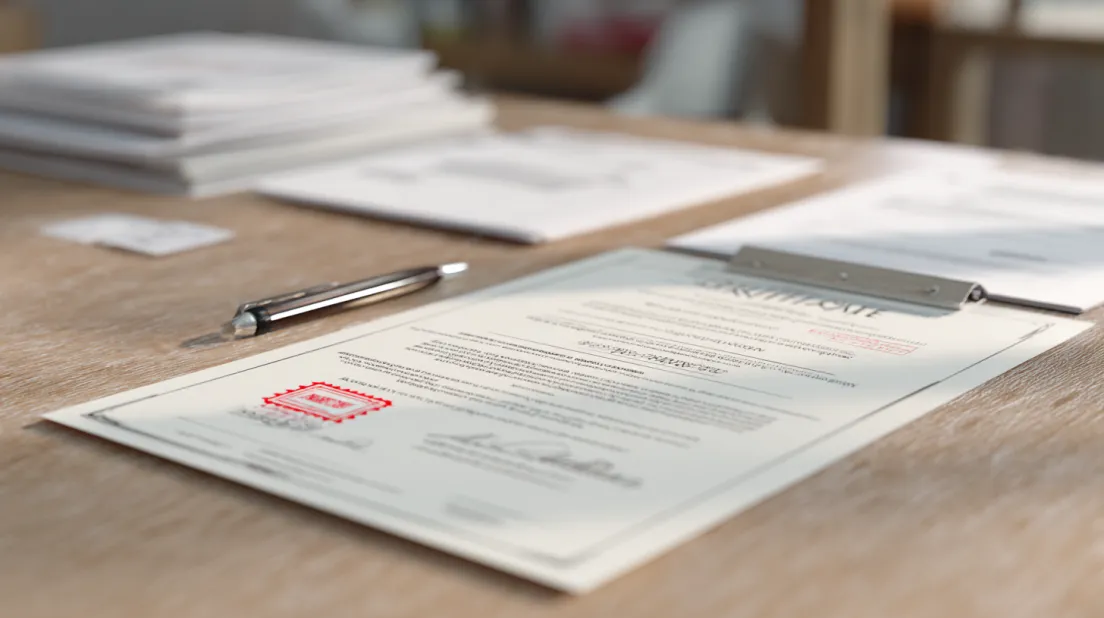
If you want to know what is affidavit, it is simply a written statement of facts made voluntarily under oath or affirmation before an authorized official, such as a notary public or magistrate. What does an affidavit look like? It is usually typed on stamp paper and bears the notary's official seal and signature. Affidavits are commonly used as legal evidence and for official personal declarations, where you must swear that a specific fact is entirely true.
What Is an Agreement?
The agreement meaning in legal terms is a mutual understanding or arrangement between two or more parties regarding specific rights, obligations, or promises. Explain that agreements may be written down formally or even made orally. They can become legally enforceable contracts in a court of law if the essential legal conditions, such as the exchange of money or services, are properly fulfilled by the parties involved.
Recommended Reading

Name Change for Minor in India: Procedur...
4.9K Views


How to Change Birthdate in Birth Certifi...
4.3K Views
How to Change Name in Educational Certif...
4.3K Views

How to Change Name Legally in India: Ste...
2.8K Views

What Is One and Same Person Affidavit: M...
2.5K Views
Difference Between Affidavit and Agreement
Knowing the affidavit vs agreement rules helps you protect your personal and business interests. Here is a clear comparison. (3)(4)
| Feature | Affidavit | Agreement |
|---|---|---|
| Meaning | A sworn statement of personal facts | A mutual understanding of shared rules |
| Number of Parties | Unilateral (Only one person signs) | Bilateral or Multilateral (Two or more sign) |
| Purpose | To declare truths or provide court evidence | To create mutual duties and business relationships |
| Legal Nature | Governed by the Oaths Act | Governed by the Indian Contract Act |
| Signature Requirement | Must be signed before a notary | Can be signed privately between parties |
| Witness/Attestation | Mandatory notary or magistrate attestation | Notary optional; witnesses recommended |
| Enforceability | False statements lead to criminal perjury | Broken promises lead to civil lawsuits |
| Use Cases | Name changes, lost documents, court evidence | Renting houses, employment, business deals |
Is an Affidavit Legally Binding?
Yes, an affidavit is highly legally binding because it is a statement made explicitly under oath. You are legally swearing to the government that your words are true. Providing false information in an affidavit may attract severe criminal penalties for perjury or false evidence under applicable laws, including potential imprisonment.
Is an Agreement Legally Binding?
Yes, an agreement becomes legally binding when it satisfies the essential elements of a valid contract under Indian law. These elements include free consent without pressure, lawful consideration like money, a lawful object, and competent parties under contract law. Once these conditions are met, the law enforces the promises made. If one person breaches the deal, the other can sue them in civil court for damages.
Types of Affidavits Commonly Used in India
Knowing the different types of affidavit formats helps you handle government paperwork faster and more efficiently.
- Name change affidavit: Required when legally altering your given name in public records or fixing spelling mistakes on official identification cards.
- Address proof affidavit: Used to legally swear to your current residential location when you lack standard utility bills or standard bank statements.
- Marriage affidavit: Often required for joint visa applications to swear that two individuals are legally married when the formal certificate is delayed.
- Joint affidavit: A single sworn document signed by two people together, often used by parents declaring custody facts or shared financial responsibilities.
- Income affidavit: Required by students or citizens to declare their exact annual family earnings to qualify for specific government scholarships or state subsidies.
- Affidavit for lost documents: Mandatory when you lose essential items like a driver's license or property deed and need the government to issue duplicates.
- Affidavit for date of birth: Used when a person lacks an official hospital birth certificate and must legally swear their exact age for government records.
Types of Agreements Commonly Used in India
Business and daily life require structured promises. These specific documents prevent costly misunderstandings and secure your financial transactions.
- Rental agreement: An essential document defining the exact monthly rent, security deposit, and strict maintenance rules between a property landlord and a new tenant.
- Sale agreement: The preliminary paperwork is signed before buying real estate, locking in the final property price and the expected future transfer date safely.
- Employment agreement: A contract establishing an employee's exact monthly salary, daily working hours, mandatory notice periods, and specific corporate responsibilities.
- Partnership agreement: Used by business founders to clearly define profit-sharing ratios, daily operational roles, and exact financial liabilities among all co-founders.
- Loan agreement: A formal contract creating a legal record of borrowed money, specifying strict interest rates and the exact monthly repayment schedule.
- Service agreement: Signed between independent freelancers and companies to ensure the worker delivers specific projects and the company pays the agreed-upon invoice.
- Non-disclosure agreement (NDA): A specialized business contract preventing employees or partners from sharing your secret corporate information or ideas with outside competitors.
Key Legal Differences Between Affidavit and Agreement
The fundamental difference between affidavit and agreement lies in how the law views the actions of the people signing the documents.
- Affidavit is a declaration; agreement is a mutual promise: An affidavit states past or present facts. An agreement promises specific future actions between people.
- Affidavit is usually unilateral; agreement is bilateral or multilateral: Only one person signs an affidavit. An agreement requires at least two people to agree mutually.
- Affidavits require an oath or affirmation: an affidavit derives its force from the oath sworn before an official. An agreement gains power from mutual consent.
- Agreements focus on contractual obligations: Agreements are built on consideration, meaning money or services must be exchanged to make the document valid.
- Affidavits are commonly used as evidence: Judges often rely on them as written testimony instead of calling a person to testify in the courtroom.
- Agreements are primarily used for transactions and legal relationships: Agreements build the foundation of the economy, governing housing, employment, and daily commercial trade.
When Should You Use an Affidavit?
You must use an affidavit when you need to formally declare a personal fact to the government, not when making a deal. To understand the person making this declaration, learn what is an affiant.
- Declaring facts officially: Use it when you need to change your name or swear that two different name spellings belong to the exact same person.
- Submitting proof before authorities: Required when you lack standard documents and must swear to your address or exact date of birth to a government clerk.
- Court-related documentation: Used in legal cases to submit your written testimony or declare your financial assets during a complex divorce hearing.
- Correcting records or details: Essential for fixing clerical errors on your passport or school mark sheets when the original issuing authority made a spelling mistake.
- Legal verification purposes: Often demanded by colleges to ensure a student has no criminal background or to explain a long gap year between studies.
When Should You Use an Agreement?
You should use an agreement whenever you enter a relationship involving money, property, or specific future services with another individual or company.
- Business transactions: Use it when buying expensive machinery, raw materials, or software to ensure the seller delivers exactly what you paid for.
- Property or rental arrangements: Necessary when renting out your apartment or leasing commercial office space to protect your valuable real estate investment securely.
- Employment relationships: Important for hiring new staff, setting their specific corporate duties, and legally preventing them from immediately joining your direct business competitors.
- Service-related commitments: Essential for hiring independent contractors or building workers, ensuring they finish the specific project before you pay the final invoice.
- Financial or partnership arrangements: Essential when starting a new business with friends to ensure profits and sudden financial losses are divided fairly and legally.
Common Misconceptions About Affidavits and Agreements
People often confuse these documents, leading to serious legal problems. Clearing these myths helps you use the correct paperwork efficiently.
- Affidavits are not contracts: You cannot use an affidavit to force someone else to pay you money or perform a specific daily service.
- Oral agreements can sometimes be legally valid: While difficult to prove in court, a verbal promise exchanging money for services is technically a binding contract in India.
- Not all agreements require notarization: Most private business contracts only need signatures and stamp paper; they do not always require a notary stamp to be valid.
- Affidavits do not automatically create obligations on another party: Swearing a fact only binds the person speaking. It does not force the reader to take any action.
- Not every notarized document is an affidavit: A notary can witness a standard rent agreement, but that does not magically turn it into a sworn affidavit.
How NoBroker Can Help With Affidavits and Agreements
Understanding the difference between affidavit and agreement is important, and NoBroker helps users seamlessly navigate this complex paperwork. Explain that NoBroker assists users with professional affidavit drafting, secure agreement preparation, and precise notarization guidance. We provide thorough document verification and robust legal support for a range of personal, rental, and business documentation needs. Whether you need a simple name change affidavit or a complex commercial rental agreement, our legal experts ensure your documents are perfectly drafted, properly stamped, and fully compliant with all current Indian laws, saving you time and stress.
Frequently Asked Questions
What is an affidavit?
What does an affidavit look like?
What is the difference between an affidavit and an agreement?
Is an affidavit legally binding?
Can an agreement be oral?
About the Author

Sanjay A
Senior Editor


Recent Blogs
Subscribe to our Newsletter
Get latest news delivered straight to your inbox