



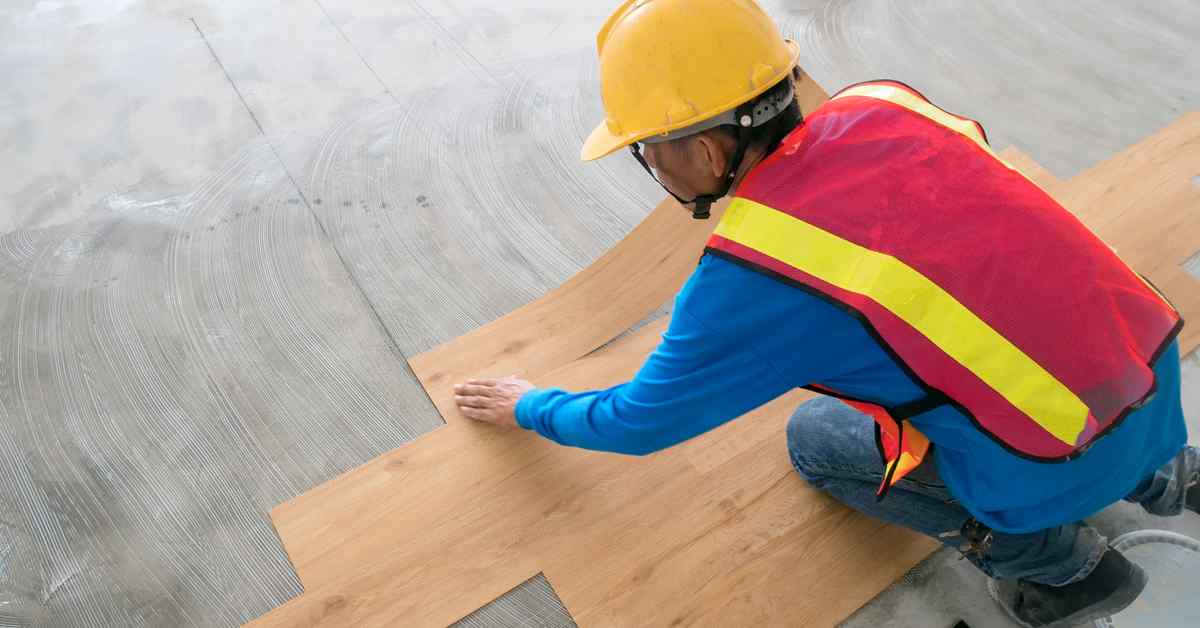


Flooring shapes how a home looks, feels, and functions every day. From daily foot traffic to changing weather, the right flooring needs to handle it all without compromising style. Among all options, Vinyl flooring has become a go-to choice for Indian households and apartments, where it is used more frequently.
Known for its durability, water resistance, and design versatility, vinyl flooring delivers the look of wood, marble, or stone without high costs or heavy maintenance. Easy to install and simpler to maintain, it suits busy households that want style without hassle. In this guide, we break down what makes vinyl flooring popular and how it compares with other common flooring options, helping you choose what works best for your home.
Recommended Reading
All You Need to Know About Mangalore Til...

16.1K Views

Dec 23, 2019
Everything You Need To Know About Vinyl ...
12.3K Views
Jan 15, 2025
The Benefits and Challenges of Using Bam...
11.6K Views
Jan 31, 2025
Engineered Wood: Complete Guide to Types...
11.4K Views
Jan 31, 2025
Living Room Granite Flooring: 15 Elegant...
10.4K Views
Jan 15, 2025
Let’s also understand the most commonly used flooring types before focusing on vinyl flooring, which helps to look at how they compare across everyday parameters like usage, cost, and upkeep. This broader perspective will help you match flooring choices to your lifestyle needs, budget constraints, and room functionality. Once that foundation is clear, evaluating vinyl flooring options becomes far more practical and informed, with a clear rationale for why it is the right choice.
The other Common Types of flooring used
Flooring shapes how a space looks and feels, but it also affects comfort, durability, maintenance effort, and long-term value. With today’s homeowners having access to a wide range of flooring materials, understanding how each option performs can help clarify the final choice.
Different flooring materials serve different purposes depending on foot traffic, climate, and design preferences. The table below highlights popular flooring options used in modern homes along with their key characteristics.
| Flooring Type | Key Features | Best Suited For | Limitations |
| Marble Flooring | Natural stone, elegant appearance, long lifespan | Living rooms, foyers, premium interiors | Expensive, requires sealing, prone to staining |
| Vitrified Tiles | Water-resistant, durable, wide design range | Living rooms, kitchens, outdoor areas | Hard surface, can feel cold |
| Hardwood Flooring | Natural warmth, premium aesthetics | Bedrooms, living spaces | High maintenance, moisture-sensitive |
| Granite Flooring | Extremely durable, stain-resistant | High-traffic areas, warm climates | Heavy material, limited design variety |
| Bamboo Flooring | Eco-friendly, hardwood-like finish | Bedrooms, low-humidity areas | Scratches easily, moisture-sensitive |
| Concrete Flooring | Industrial look, high strength | Modern homes, commercial spaces | Hard underfoot, lacks warmth |
| Laminate Flooring | Affordable, scratch-resistant, easy installation | Bedrooms, living rooms | Cannot be refinished, moisture-sensitive |
| Linoleum Flooring | Eco-friendly, flexible designs | Low-traffic residential areas | Can dent or wear over time |
| Vinyl Flooring | Water-resistant, durable, versatile, and budget-friendly | Most residential and commercial spaces | Can react to rubber or harsh chemicals |
Among these options, vinyl flooring, mats, or sheets stand out for their rare balance of affordability, durability, and visual flexibility. Its adaptability to different rooms and usage patterns makes it a preferred choice for modern Indian homes.
What Is Vinyl Flooring?
Vinyl flooring is a synthetic flooring material made primarily from PVC (polyvinyl chloride). Manufacturers design it to mimic natural materials such as wood, stone, and marble while delivering greater moisture and wear resistance. It is widely used in living rooms, bedrooms, kitchens, bathrooms, and rental properties due to its easy maintenance and long-lasting performance.
Types of Vinyl Flooring
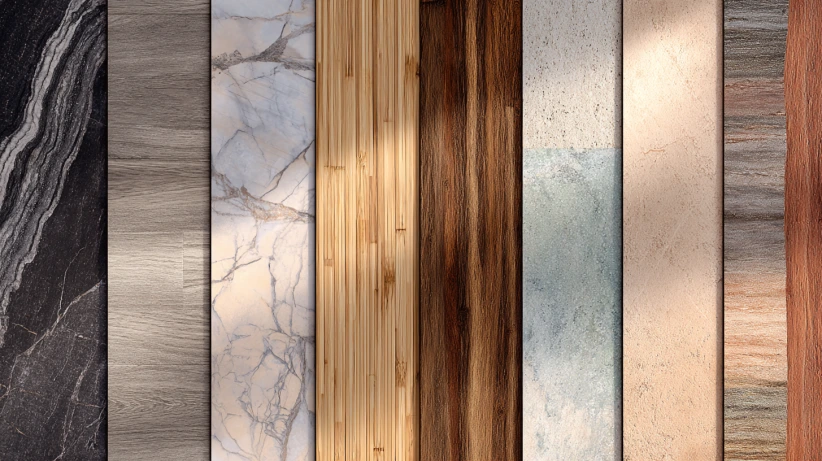
Vinyl flooring is not a single product but a broad category that includes multiple formats, each designed for specific spaces and performance needs. Understanding these types helps homeowners choose vinyl flooring that aligns with room usage, installation preferences, and design goals.
| Type of Vinyl Flooring | Description | Best Use Areas | Key Benefits |
| Vinyl Plank Flooring (LVP) | Long planks designed to replicate hardwood flooring | Living rooms, bedrooms, offices | Waterproof, wood-like appearance, click-lock installation |
| Vinyl Tile Flooring (VCT/LVT) | Modular tiles that mimic stone or ceramic finishes | Kitchens, bathrooms, accent spaces | Easy replacement, flexible layouts, grout options |
| Vinyl Sheet Flooring | Large continuous sheets with minimal joints | Kitchens, hospitals, high-traffic areas | High water resistance, affordable, low maintenance |
| Luxury Vinyl Tile (LVT) | Premium vinyl with advanced embossing and print layers | Modern homes, commercial interiors | Highly realistic finish, long lifespan, superior durability |
Cost of Vinyl Flooring in India
Vinyl flooring is known as one of the most budget-friendly modern flooring options, but prices can vary widely depending on the type of vinyl, design quality, and installation complexity. On average, the cost of home vinyl flooring ranges from Rs. 60 to Rs. 200 per square foot. However, prices can vary by brand, vinyl quality, and design.
Estimated Cost of Vinyl Flooring Material Per Square Foot
| Vinyl Flooring Type | Estimated Price Range (₹/sq ft) | Best Suited For |
| Basic Vinyl Sheet / Roll | ₹50 – ₹100 | Bathrooms and kitchens require seamless, moisture-resistant flooring |
| Standard Vinyl Tiles / Planks | ₹80 – ₹150 | Living rooms and bedrooms with wood-look or stone-finish designs |
| Luxury Vinyl Tile (LVT) / Premium Planks | ₹150 – ₹300+ | Homes seeking realistic hardwood or stone aesthetics with higher durability |
| High-End / Designer Luxury Vinyl | ₹300 – ₹600+ | Premium interiors with advanced textures, custom finishes, and branded collections |
Note: Imported or branded luxury planks from well-known manufacturers may command higher prices, sometimes above ₹600–₹1000 per sq ft, depending on quality and design.
Best Uses of Vinyl Flooring by Room
Vinyl flooring adapts well to different rooms due to its durability, moisture resistance, and wide design range. Choosing the right type based on room usage improves performance and makes it long lasting.
Vinyl Flooring for Kitchen
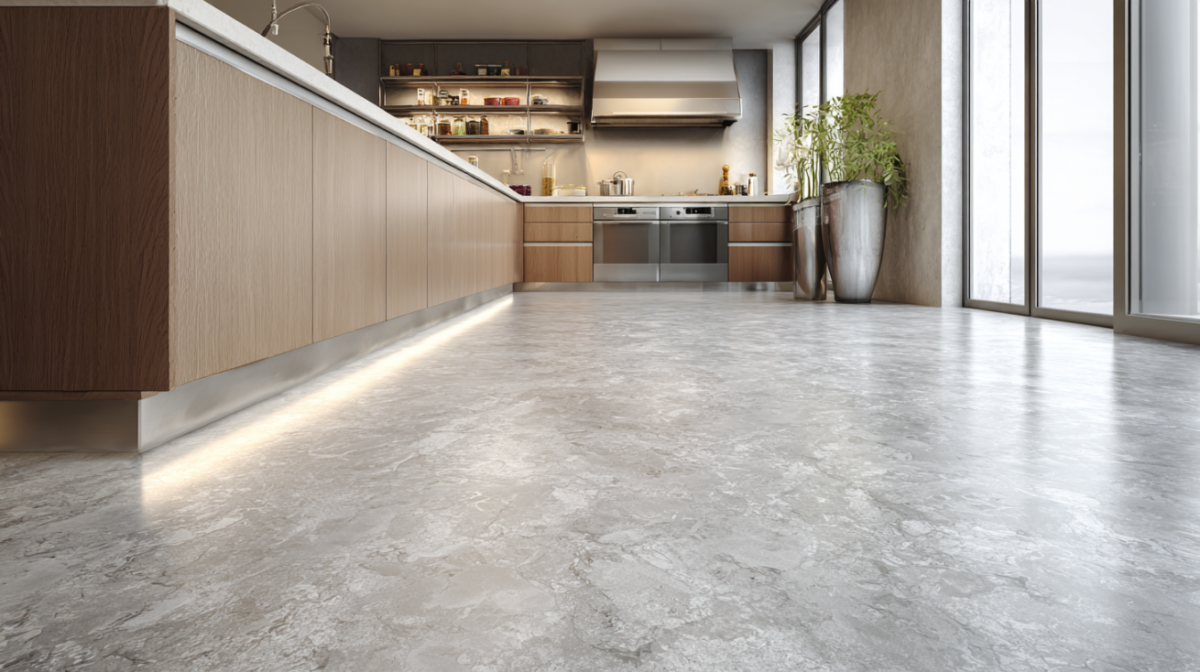
Kitchens demand flooring that withstands spills, heat, and constant foot traffic without frequent maintenance. Vinyl flooring meets these requirements while offering practical design flexibility.
Sheet vinyl flooring works especially well in kitchens because its seamless surface prevents water seepage and makes cleaning easier. PVC vinyl flooring also performs reliably in high-traffic kitchen areas thanks to its stain- and scratch-resistant properties. For added comfort, some homeowners prefer vinyl carpet flooring in dry kitchen zones where prolonged standing is common.
Best Vinyl Flooring Options for Kitchens
| Type of Vinyl Flooring | Key Benefits in Kitchens |
| Sheet Vinyl Flooring | Seamless finish, water resistance, easy cleaning |
| PVC Vinyl Flooring Sheet | High durability, stain resistance, hygienic surface |
| Luxury Vinyl Tiles (LVT) | Premium appearance, scratch resistance |
| Vinyl Carpet Flooring | Cushioned feel, slip resistance, easy upkeep |
Vinyl flooring not only increases the aesthetic of your kitchen but also ensures functionality, cleanliness, and comfort. If you’re planning a kitchen renovation or setting up a new cooking space, vinyl is a smart and stylish investment.
Vinyl Flooring for Living Room
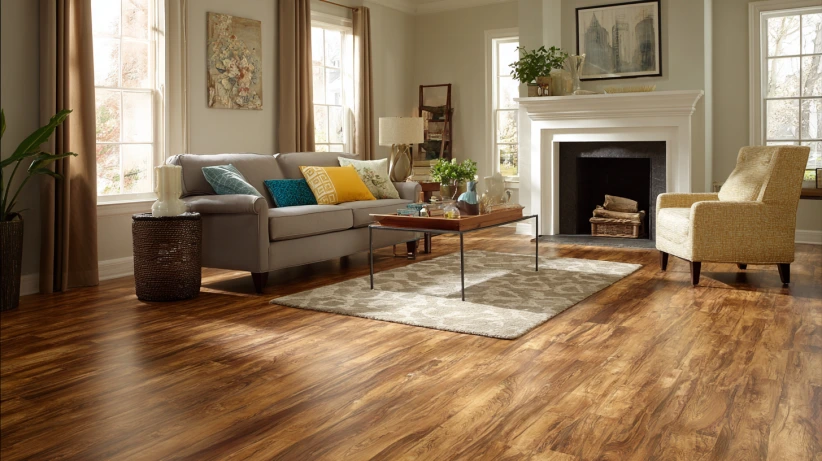
The living room requires flooring that balances appearance with everyday durability. Vinyl flooring offers multiple finishes that suit modern and traditional interiors without demanding intensive maintenance.
PVC vinyl flooring remains a popular option for living rooms due to its strength and design versatility. Vinyl carpet flooring provides added comfort and warmth, especially in family homes. Sheet vinyl flooring suits larger living spaces where a seamless, cost-effective finish matters.
Suitable Vinyl Flooring Types for Living Rooms
| Type | Why It Works |
| Luxury Vinyl Planks (LVP) | Wood-like finish, warm visual appeal |
| Luxury Vinyl Tiles (LVT) | Stone or tile look, refined interiors |
| PVC Vinyl Flooring | Durable, suitable for daily foot traffic |
| Sheet Vinyl Flooring | Easy maintenance, uniform finish |
Vinyl Flooring: Advantages vs. Disadvantages
| Advantages | Disadvantages |
| Waterproof & Moisture-Resistant. Ideal for kitchens and bathrooms. | Toxicity Concerns. Made from synthetic materials that may release harmful chemicals. |
| Durable & Long-Lasting. Lasts 10–20 years with proper care. | Not Eco-Friendly. Vinyl floor coverings are non-biodegradable and rarely recycled. |
| Comfortable Underfoot. Padded vinyl sheets provide cushioning. | Subfloor Sensitivity. Uneven surfaces can lead to bulges and wear on vinyl flooring. |
| Low Maintenance. Easy to clean with sweeping, mopping, and mild cleaners. | Easily Scratched or Dented. Heavy furniture or sharp objects can damage the surface. |
| Cost-Effective More affordable than wood, marble, or stone. | Difficult Repairs Damaged vinyl tiles or sheets usually require full replacement. |
| Slip-Resistant Options Available Great for bathroom safety. | Fades Over Time Prolonged exposure to sunlight can cause discolouration. |
| Wide Range of Designs Mimics wood, stone, or tile affordably. | Lower Resale Value Not considered premium flooring in high-end real estate markets. |
Vinyl flooring is an excellent choice if you're looking for a cost-effective, stylish, and easy-to-maintain solution for your home. However, be mindful of its environmental impact and vulnerability to physical damage. By weighing both the pros and cons, you can decide whether vinyl floor coverings, vinyl tiles, or vinyl sheets are the right fit for your space.
Laminate vs. Vinyl Flooring: What You Need to Know Before Choosing
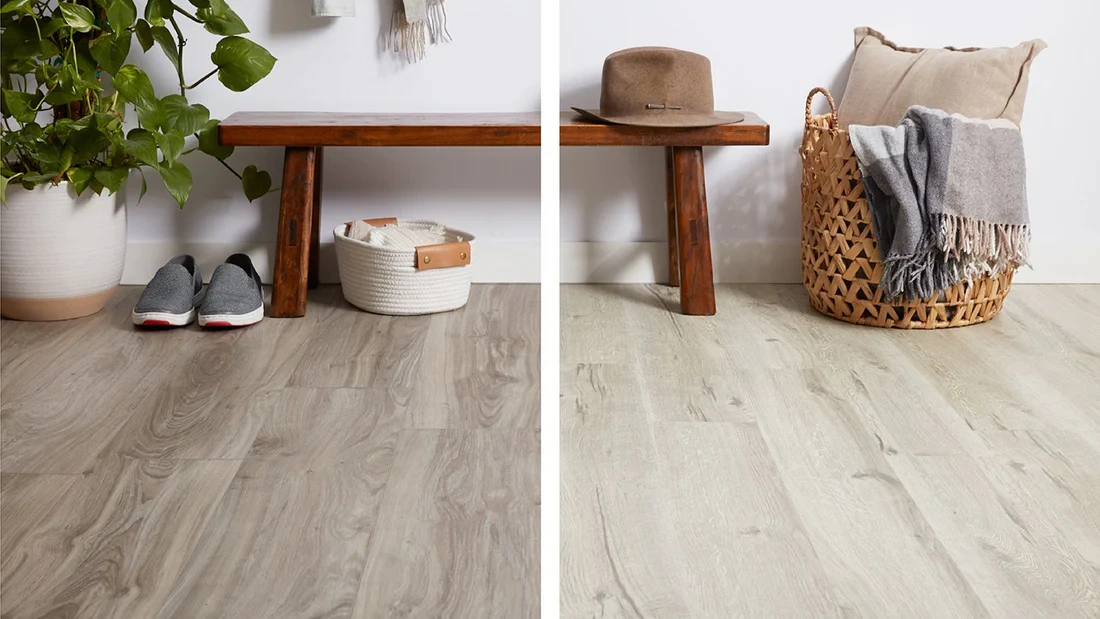
When upgrading your home floors, it's important to understand the core differences between laminate flooring and vinyl flooring, two popular choices among homeowners today. While they may look similar, their performance, composition, and use cases vary significantly.
What Is Laminate Flooring?
Laminate flooring is a synthetic option designed to replicate the look and feel of natural wood or stone. It consists of four-layered components:
- A durable wear layer to resist scratches,
- A decorative layer with a printed design,
- A high-density fibreboard (HDF) CORE,
- A stabilising backing layer.
Although it mimics hardwood well, laminate is not inherently water-resistant and can become damaged over time when exposed to moisture.
Vinyl Flooring VS Laminate Flooring: Key Differences
Both vinyl and laminate flooring replicate the look of natural materials like wood and stone, but their performance differs significantly in Indian home conditions.
Vinyl flooring is made from 100% synthetic materials, which makes it completely waterproof. This quality makes it ideal for kitchens, bathrooms, and other spill-prone or high-humidity areas. Vinyl also handles stains, daily wear, and heavy foot traffic far better than laminate, making it a low-maintenance option for busy households.
While laminate flooring can sometimes appear slightly cheaper, the price difference is usually marginal when compared with standard or mid-range vinyl options. Over time, vinyl flooring installation proves to be more cost-effective due to its durability and ease of upkeep.
Advantages Of Laminate Flooring
- Offers the realistic appearance of wood or stone flooring.
- Resistant to scratches due to its hard surface layer.
- More eco-friendly compared to vinyl, as it contains a higher percentage of wood.
- A good fit for living rooms and bedrooms with low moisture exposure.
- Can complement cleanliness efforts at home, and help reinforce routines like 10 sentences on how to keep your house clean for children.
Laminate flooring has a composite core with wood fibres, giving it a more eco-conscious appeal than fully synthetic vinyl. However, the presence of melamine resin and plastic layers limits its sustainability benefits.
Disadvantages of Laminate Flooring
- Not suitable for bathrooms or kitchens due to its low moisture resistance.
- May swell or wrap in humid climates or during the rainy season.
- Needs careful maintenance; excessive water or sweeping can damage its surface.
- It can become slippery when wet, making waterproof vinyl flooring a better long-term value and easier to maintain.
However, for homes that demand durability, waterproofing, and minimal maintenance, vinyl flooring is the smarter long-term choice. Its versatility allows it to perform consistently across all rooms, making it a preferred option for modern homes. If you’re planning an upgrade, explore vinyl flooring options and professional vinyl flooring installation services to find the right fit for your space.
How To Clean Vinyl Flooring?
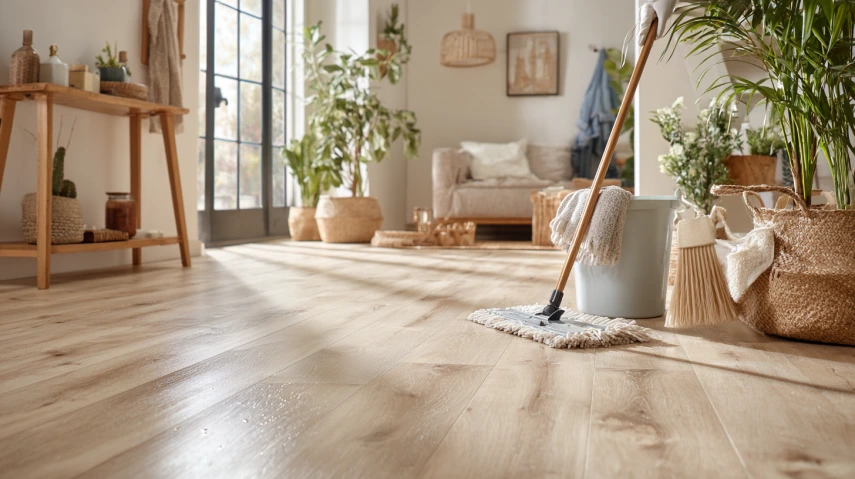
Cleaning vinyl flooring is relatively easy with a few basic tools and cleaning products. Here are some tips to help you keep your vinyl flooring looking new:
- Sweep or dry-mop regularly with a soft broom or microfiber mop to remove dust and prevent scratches.
- Mop with a mild cleaner or a vinyl floor–safe detergent mixed with water. Avoid harsh chemicals.
- Tackle stains gently using a vinegar-and-water solution or a mild cleaner. Do not scrub aggressively.
- Rinse lightly with a damp mop and avoid excess water on the floor.
- Dry the surface with a clean cloth or allow it to air-dry to prevent watermarks.
- Prevent damage by placing doormats at entrances and felt pads under furniture legs.
- Avoid steam cleaners, as heat and pressure can damage vinyl flooring.
Conclusion
Vinyl flooring covers everything you need to know, from the different types (planks, tiles, and sheets) to their cost, installation, and maintenance. Whether you're searching for vinyl flooring near me, exploring waterproof vinyl flooring for kitchens or bathrooms, or comparing vinyl vs laminate, this blog breaks it all down in simple terms. You will also discover the pros and cons of vinyl flooring, common design options for Indian homes, and smart cleaning methods to keep your floors looking new. The guide even explains vinyl flooring installation, factors affecting pricing in India (₹60–₹200/sq ft), and tips for deciding between laminate and vinyl flooring based on your space and usage.
Whether you're remodeling your living room, kitchen, or bathroom, this blog is your one-stop solution for making the right choice in floor vinyl sheets, tiles, and planks.
How NoBroker Interior Services Can Help You?
When you’re upgrading your home, flooring is one decision you want to get right. With NoBroker Interior Services, you don’t have to figure it all out on your own. NoBroker Interior Services simplifies your vinyl flooring journey, from selection to installation. We help you explore designs, explain what actually lasts in everyday Indian homes, and handle installation from start to finish. Get in touch with NoBroker Interior Services for no hidden costs and a smooth flooring experience that fits your budget and your designs, closer to a home that feels just right.
