





Summary
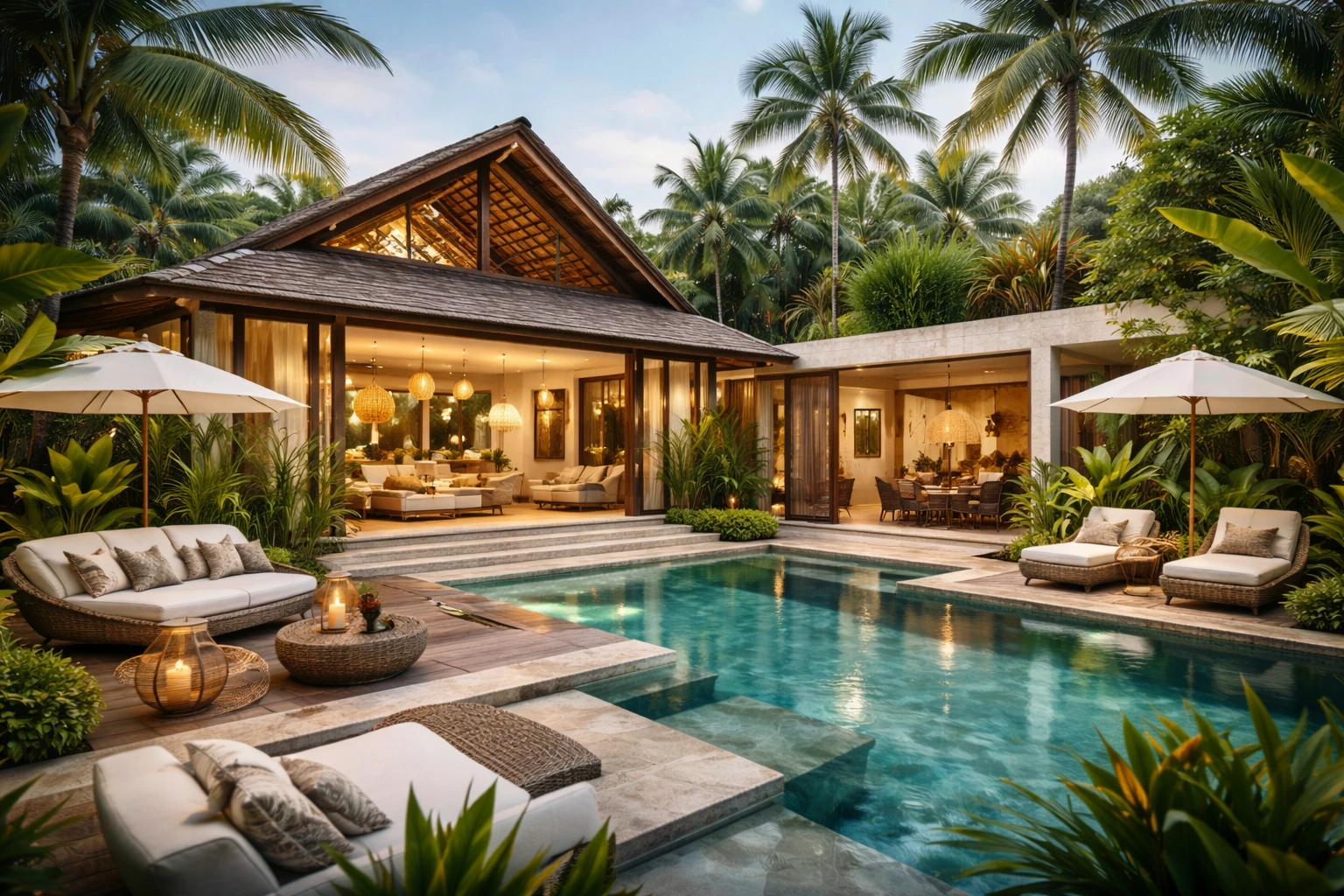
Wake up to the soft flow of the breeze in your house and all around the greenery and natural materials that form a natural bond with nature. This is what tropical house design is, a style of architecture that is both functional and relaxing in the natural beauty of island life. Living in tropical designs is comfortable, sustainable, and never out of style, whether you plan to build a new house or remodel your existing one.
What is Tropical House Design?
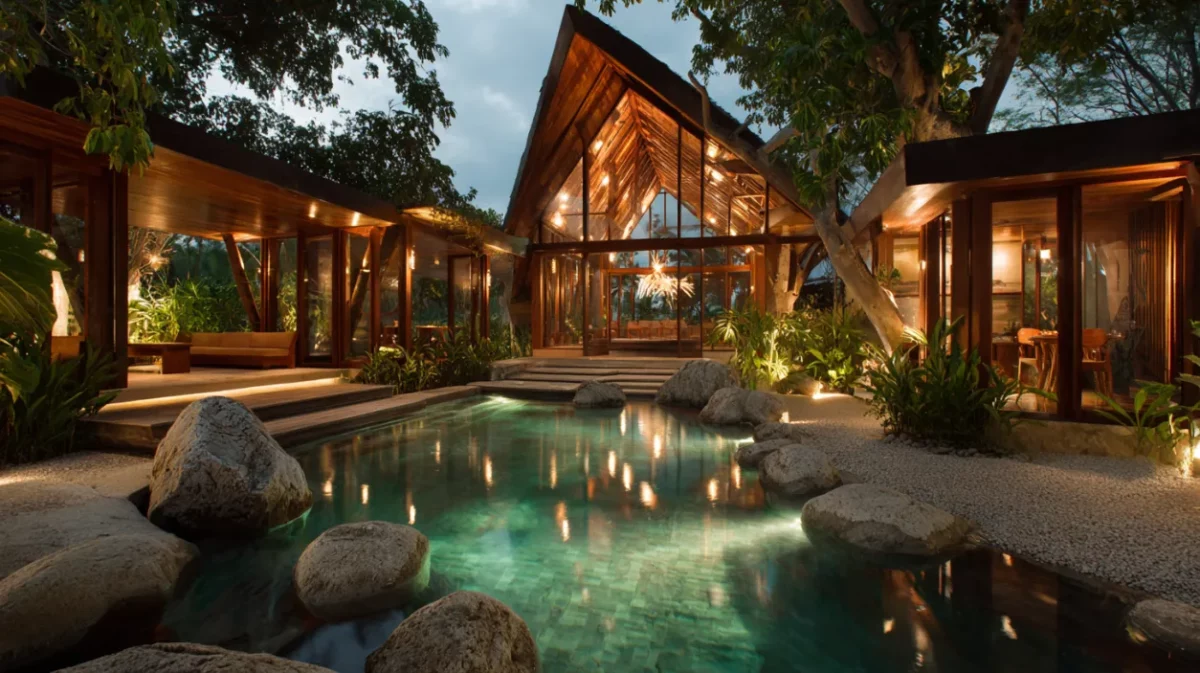
Tropical house design is an architectural style that responds to the warm, humid climate by emphasising natural ventilation, abundant daylight, and the integration of indoor and outdoor spaces. This approach originated in tropical regions, where architects developed methods to combat heat and humidity and to create comfortable living spaces. The main idea behind designing a tropical home is to use passive cooling and local materials. These houses have open floor plans, large windows, and high-rise buildings, which encourage air movement. The decoration praises natural beauty, using wood, stone, and bamboo to bring warmth to modern designs.
Recommended Reading
Top 20 PVC Wall Panel Design for Bedroom...

30.6K Views

Jan 15, 2025
25 Latest 2 BHK House Plans for Your Mod...
28K Views
Jan 23, 2025
Interior Design Cost in Bangalore
19.3K Views
Jan 31, 2025
15+ Best Modern Main Hall Fall Ceiling D...
17.5K Views
Jan 31, 2025
3 BHK Interior Design Cost in India
16.6K Views
Jan 31, 2025
Key Elements of House Design Tropical
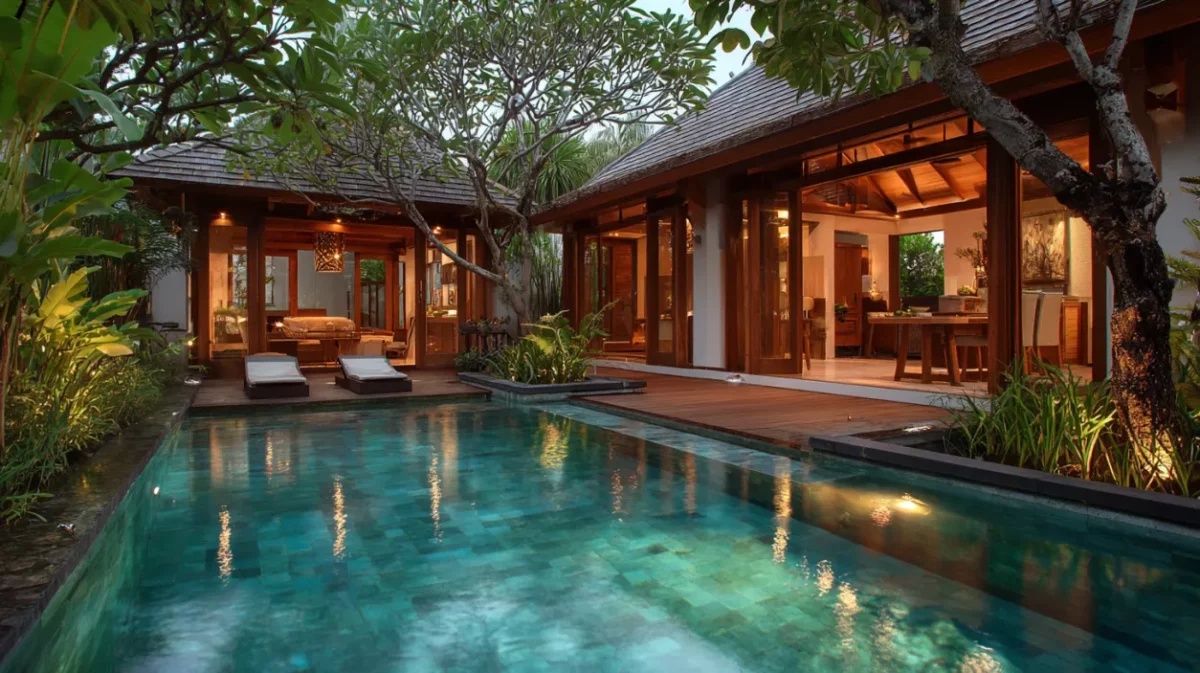
Understanding the fundamental characteristics of tropical designs helps create beautiful spaces that are both functional and aesthetically pleasing.
- Natural Ventilation and Airflow
Cross-ventilation is essential in tropical house design. By positioning windows on opposite walls, homes capture prevailing breezes and create natural air movement. This reduces mechanical cooling requirements and creates a fresh environment, especially when paired with a home ventilator design.
- Large Windows and Open Spaces
Floor-to-ceiling windows and sliding glass doors maximise natural light in tropical home design. It provides stunning views and creates visual connections between interior and exterior spaces in tropical interior design, similar to window designs for a home.
- Elevated Structures
Many tropical house plans incorporate raised foundations that protect against flooding and moisture while promoting airflow beneath the structure, a common feature in home front elevation design.
- Roof Overhangs and Shading
Wide eaves protect from intense sun and heavy rain in a tropical interior style, helping keep interiors cool while adding visual interest, often complemented by false ceiling designs.
Modern Tropical Interior Design Concepts
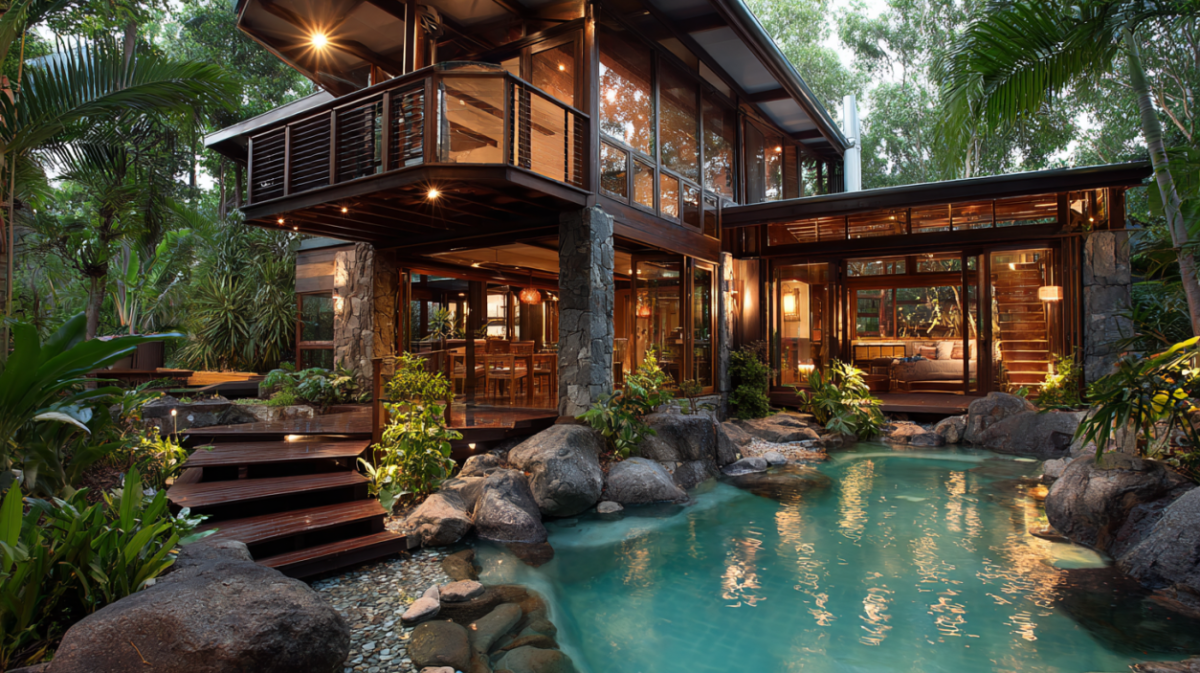
Contemporary tropical interior design incorporates modern decorative styles with traditional tropical designs.
- Minimalist Approach
A simple, minimalist modern tropical house features clean lines, open spaces, and a neutral palette with bright tropical colours. White walls, polished concrete floors, and carefully selected statement pieces define this sophisticated aesthetic, much like minimalist interior design.
- Natural Materials and Textures
The interior tropical design includes teak, bamboo, rattan, and wicker. Stone accents, bare wooden beams, and terracotta tiles provide layers of texture, creating visual warmth.
- Biophilic Design Integration
Modern tropical designs incorporate abundant greenery through indoor plants, vertical gardens, and living walls. Large planters with tropical foliage create lush, welcoming environments that support well-being and align with biophilic interior design.
- Open Floor Plans
Contemporary tropical designs favour open-concept layouts, encouraging social interaction. Spaces flow seamlessly with minimal partitions that obstruct airflow or light, similar to living room interior design ideas.
Small Tropical House Design Strategies
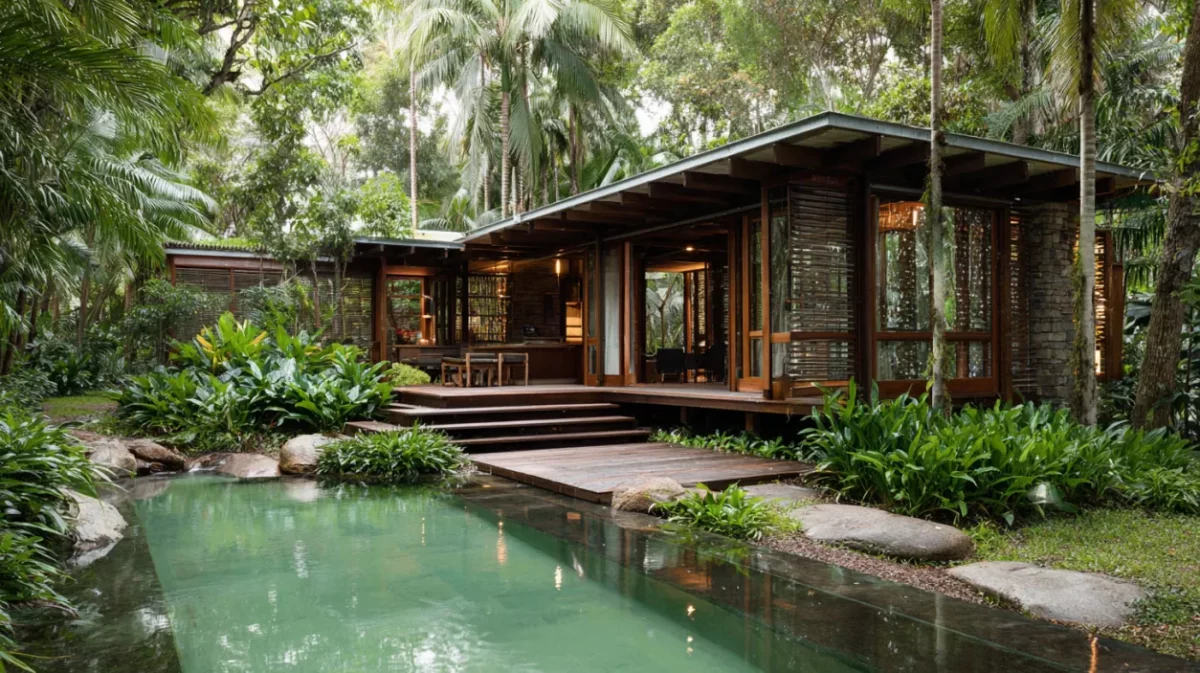
Creating an effective small tropical house design requires thoughtful planning to maximise space and comfort.
- Vertical Space Utilisation
In compact homes, lofted areas, mezzanines, and tall ceilings create a sense of spaciousness. High ceilings improve air circulation through the stack effect, often enhanced with modern ceiling design ideas.
- Multi-Functional Spaces
Small tropical house plans benefit from multipurpose rooms. Dining areas double as workspaces, and outdoor patios extend the living space for entertaining, much like space-saving furniture design ideas.
- Light Colour Palettes
Small tropical house plans are expanded by white and light-coloured reflective walls, which contribute to an airy atmosphere, which is a pillar of tropical interior style.
- Indoor-Outdoor Integration
Enclosed patios, decks, and verandahs also help expand usable space in small tropical houses, blurring the distinction between inside and outside.
Practical Considerations While Planning Your Tropical Home
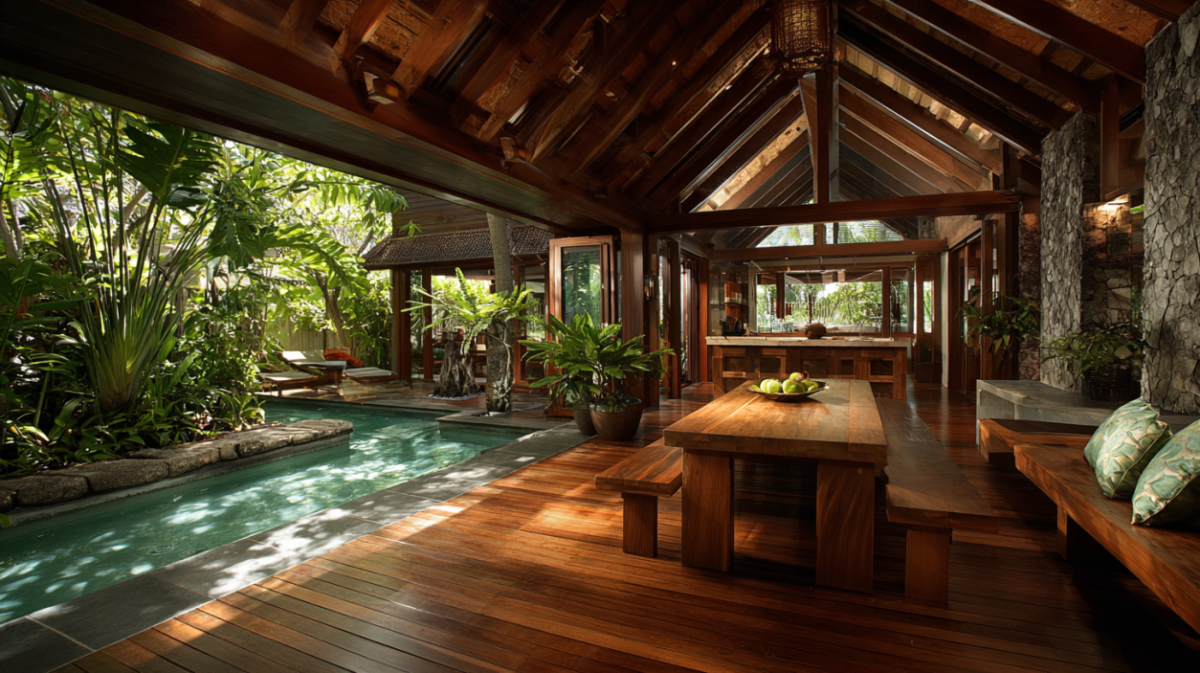
There are a number of real-world considerations that you must consider before initiating your project.
- Location and Exposure to the sun.
Passive cooling requires adequate orientation. The east-west orientation of rectangular houses reduces the amount of heat gained. Rooms that should be ventilated must be located towards the way the wind is blowing, supported by proper house floor design planning.
- Selection of Materials in Climate.
Stylistic materials that resist humidity and intense sunlight. As it is, naturally durable wood such as teak and bamboo with a weatherproof coating makes it last longer.
- Eco-Friendly Design Characteristics.
Contemporary tropical patterns include rainwater collection, solar systems, and landscapes featuring indigenous plants. These attributes minimise environmental impact and reduce expenditure, aligning with eco-friendly house designs.
Cost Considerations for Tropical House Projects
Understanding the financial aspects helps you plan and execute your tropical home design effectively.
| Component | Estimated Cost Range | Notes |
| Architectural Design Services | ₹2,00,000 - ₹5,00,000 | Varies by project complexity and location |
| Natural Wood Flooring (per sq ft) | ₹350 - ₹800 | Bamboo and teak options available |
| Large Windows/Glass Walls (per sq ft) | ₹500 - ₹1,200 | Including installation |
| Landscaping (basic setup) | ₹50,000 - ₹2,00,000 | Depends on property size |
| Sustainable Features (solar, rainwater) | ₹1,50,000 - ₹4,00,000 | Long-term savings on utilities |
Note: Costs are approximate and vary based on location, materials quality, and project scope.
Interior Design Elements for Tropical Spaces
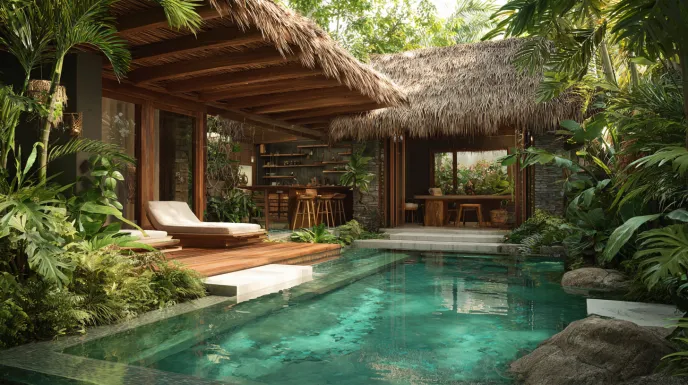
Creating authentic tropical interior design involves careful attention to detail.
- Furniture Selection
Choose lightweight, natural furniture from rattan, wicker, or teak. These materials suit tropical aesthetics while remaining practical for humid climates.
- Colour Schemes
Neutral bases with vibrant tropical accents create balanced interiors. Earthy tones provide calm foundations, while turquoise, coral, and emerald green add energy.
- Lighting Design
Maximise natural lighting through strategic window placement. For evenings, use soft, warm artificial lighting with natural fibre pendant shades, complemented by home lighting design ideas.
- Textiles and Accessories
Natural fabrics such as cotton, linen, and jute perform well in tropical climates. Decorative pillows with botanical prints and handcrafted accessories complete the look.
Common Mistakes to Avoid
When implementing tropical designs, avoid these frequent pitfalls:
- Obstructing natural ventilation: Do not place furniture or partitions that block the pathways of ventilation.
- Poor sun protection: Lack of shading causes an uncomfortable, overheated interior.
- Poor selection of the material: Materials that wear out easily in warm tropics.
- Excessive Decoration: Crowded interiors are at odds with the much-needed lightness of the tropical style.
Conclusion
The tropical house design is not just a type of architecture but a way of life, with a primary emphasis on harmony with nature and sustainable building. By incorporating natural materials, passive cooling strategies, and thoughtful spatial planning, these homes create environments where residents can truly relax and connect with their surroundings. Whether planning a minimalist modern tropical house or a small tropical house design, the principles remain consistent: embrace natural light, promote airflow, and create seamless indoor-outdoor transitions. The result is a home offering peace and tranquillity in daily life.
How NoBroker Can Help You
To make your vision of the tropical house design a reality, professional advice and implementation are necessary. NoBroker Interiors is a company focusing on the design of timeless, comfortable environments that will reflect your own style, yet at the same time will embrace the finest standards of tropical design. NoBroker will offer end-to-end solutions, whether you need modern tropical interior design for your current house or are planning to build a small tropical house. We use the best natural materials, work with professional craftsmen, and ensure that each detail aligns with aesthetic objectives and practical needs.
Our design professionals help optimise your space for natural ventilation, select climate-appropriate materials, and create custom solutions that maximise comfort while minimising energy consumption. Visit NoBroker Interiors to schedule a consultation and discover how we can transform your space into the tropical paradise you've always envisioned.
