


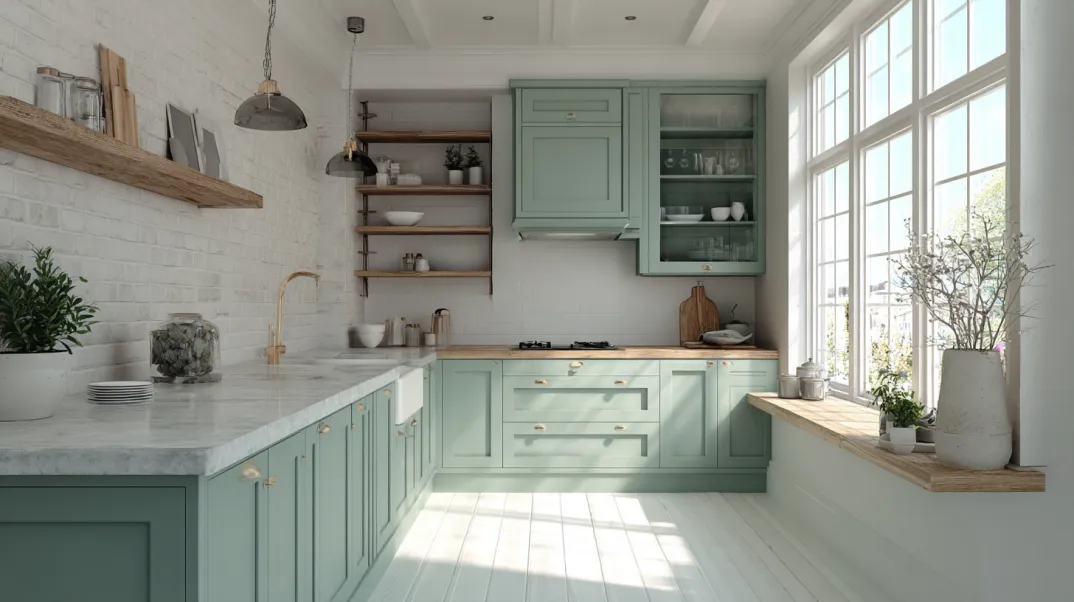


In this comprehensive guide, we explore normal kitchen dimensions, kitchen layout planning, and tips to determine the ideal kitchen size for your home. Whether you're working with a standard kitchen size in feet or designing a compact layout, understanding these measurements helps you optimize your space for maximum efficiency. Let’s discover what the normal kitchen size should be based on smart space planning, ergonomic design, and appliance positioning!
Factors Considered in the Standard Kitchen Measurements and Dimensions

When it comes to designing a kitchen that seamlessly combines functionality and aesthetics, several critical factors come into play. These considerations heavily influence the standard kitchen measurements and dimensions that architects and designers use to create the perfect culinary space. Let's explore these essential factors below:
Recommended Reading
45 of the Best and Most Trendy Modular K...

14.7K Views

Jan 31, 2025
Standard Kitchen Dimensions: Essential G...
13.3K Views
Jan 31, 2025
Kitchen Counter Granite Design: Find Ins...
9.2K Views
Jan 15, 2025
25 Best Low Cost Simple Kitchen Designs ...
7.8K Views
Jan 31, 2025
Everything You Need to Know Acrylic Kitc...
7.6K Views
Jan 15, 2025
- Available Space: The first and foremost factor in determining kitchen dimensions is the available space. Whether you have a compact apartment kitchen or a spacious open-concept layout, the dimensions must be tailored to make the most of the available area.
- Work Triangle and Workflow: The concept of the work triangle plays a vital role in kitchen design. The relationship between the sink, stove, and refrigerator should form an efficient work triangle, reducing unnecessary movement and optimizing productivity.
- Ergonomics and User Comfort: A well-designed kitchen takes ergonomics into account, ensuring that the layout is comfortable for users. Proper counter heights, cabinet placements, standard size of kitchen slab width, and appliance positioning can significantly impact the overall user experience.
- Appliance Dimensions: Kitchen appliances like refrigerators, ovens, and dishwashers come in various sizes. Designing the kitchen to accommodate these appliances seamlessly is crucial for a functional and integrated look.
- Storage Requirements: Ample storage space is a must in any kitchen. The dimensions of cabinets, shelves, and pantry units must be thoughtfully planned to accommodate all necessary kitchen items and reduce clutter.
- Clearance and Traffic Flow: Adequate clearance between countertops, islands, and other kitchen elements is essential for easy movement. Ensuring smooth traffic flow prevents congestion and promotes safety in the kitchen.
- Aesthetics and Design Theme: While functionality is paramount, the overall aesthetics and design theme of the kitchen should not be overlooked. The dimensions of various elements should align with the desired style, whether it's modern, traditional, or transitional.
- Ventilation and Lighting: Proper ventilation and lighting play a significant role in creating a comfortable and pleasant cooking environment. The dimensions of kitchen windows, exhaust systems, and light fixtures should be considered for optimum performance.
What is the Golden Triangle Rule for Kitchen Measurements?
The Golden Triangle Rule is a timeless concept in kitchen design that ensures optimal workflow and functionality. It connects the three most crucial work zones, the sink, stove, and refrigerator, in a triangular layout to minimize movement, enhance efficiency, and streamline cooking activities. The table below offers a detailed breakdown of each component within this design rule and its role in achieving a well-balanced kitchen layout.

| Element | Function in the Kitchen | Design Recommendation |
| Sink | Used for washing food, cleaning utensils, and prepping ingredients. | Should be centrally located between the stove and refrigerator for easy access to water and cleaning tasks. |
| Stove/Cooktop | Central hub for meal preparation, cooking, and heating food. | Ideally positioned with sufficient counter space on both sides for prep and placing utensils. |
| Refrigerator | Stores perishable food items and ingredients that need to be accessed regularly. | Should be placed where it can be accessed without interfering with the cooking or dishwashing workflow. |
| Golden Triangle Concept | Forms a triangle connecting the sink, stove, and refrigerator. | Each leg of the triangle should ideally measure between 4 to 9 feet to ensure convenience and minimal movement. |
Applying the Golden Triangle Rule in kitchen layout design ensures a more practical, comfortable, and time-efficient cooking experience. Whether you're designing a compact kitchen or a spacious one, maintaining this triangular workflow can significantly improve your daily kitchen activities by reducing clutter, preventing unnecessary steps, and promoting smooth transitions between tasks.
Standard Kitchen Size in Feet: Key Measurement for Functional Layouts

Designing a well-organized kitchen begins with understanding the essential standard measurements and dimensions. Here are 12 key measurements (all kitchen standard size in feet) that play a crucial role in creating a functional and efficient culinary space:
- Base Cabinet Width: Standard kitchen dimensions in cm for base cabinets typically come in widths of 12, 24, 30, and 36 inches (30.5, 61, 76, and 91.5 cm).
- Wall Cabinet Height: The height of wall cabinets is usually 30 or 36 inches (76 or 91.5 cm) to accommodate storage above the countertop.
- Countertop Height: The standard kitchen counter dimensions is 36 inches (91.5 cm) to ensure comfortable food preparation.
- Island Height: Kitchen islands are commonly 36 inches (91.5 cm) high, matching the height of the countertops.
- Clearance Between Countertops and Cabinets: Allow a minimum of 18 inches (45.7 cm) of clearance between countertops and wall cabinets for easy access and movement.
- Clearance Between Island and Countertops: Leave at least 42 inches (106.7 cm) of space between the kitchen island and other countertops to enable smooth traffic flow.
- Standard Depth for Countertops: Countertops typically have a standard depth of 24 inches (61 cm) to accommodate most kitchen tasks.
- Standard Depth for Upper Cabinets: The standard depth for wall or upper cabinets is 12 inches (30.5 cm) to store frequently used items within reach.
- Sink Dimensions: Standard sink sizes range from 22 to 36 inches (56 to 91.5 cm) in width, with a depth of about 8 to 10 inches (20.3 to 25.4 cm).
- Refrigerator Width: Common refrigerator widths are 30, 33, and 36 inches (76, 84, and 91.5 cm) to fit standard kitchen spaces.
- Oven Size: Standard oven widths are typically 24, 27, and 30 inches (61, 68.6, and 76 cm) to integrate seamlessly into the kitchen design.
- Dishwasher Width: Dishwashers are commonly available in widths of 18 and 24 inches (45.7 and 61 cm) to suit various kitchen layouts.
Optimizing Kitchen Standard Dimensions and Layout For Functionality

Here are some valuable tips for optimising standard kitchen dimensions to create a functional and efficient culinary space:
| Tips to Optimize Standard Kitchen Dimensions | Details |
| Utilize Vertical Space | Use tall cabinets and open shelves to maximise vertical space and reduce clutter on countertops. |
| Invest in Customisation | Personalize your kitchen design with dimensions that suit your needs using custom cabinets, pull-out drawers, and adjustable shelves. |
| Choose Space-Saving Appliances | Select compact, built-in, or slimline appliances to fit within standard kitchen dimensions and save space. |
| Embrace Clever Storage Solutions | Use corner cabinets, pull-out pantry units, and drawer organisers to increase storage in limited kitchen layout standard kitchen dimensions. |
| Opt for Open Shelving | Open shelves add style and give an illusion of space while allowing easy access to daily-use items. |
| Streamline the Work Triangle | Apply the Golden Triangle Rule for efficient placement of sink, stove, and refrigerator. |
| Create Zones for Efficiency | Divide the kitchen into prep, cooking, and cleaning zones to streamline workflow and reduce movement. |
| Consider Slim Profile Appliances | Install appliances with a minimal footprint to maintain smooth traffic flow and enhance usable area. |
| Install Lighting Strategically | Use task and under-cabinet lighting to brighten work zones for a functional kitchen layout. |
| Use Light Colours | Light tones for cabinets and countertops help visually expand space, making small kitchens appear larger. |
| Keep Countertops Clutter-Free | Store essentials in kitchen standard size in feet cabinets or racks to free up countertop workspace. |
| Optimise Island Design | Make your kitchen island multifunctional with integrated storage or a breakfast bar based on standard kitchen size guidelines. |
These are considered the ideal kitchen dimensions across most Indian homes, whether you're building from scratch or renovating an existing kitchen, standard size in feet.
How Can NoBroker Help?
At NoBroker, we specialize in transforming your kitchen design with dimensions that suit your unique space, whether you're dealing with normal kitchen dimensions or aiming for a premium, ideal kitchen size layout.
Designing a functional and efficient kitchen is made easier by understanding the essential standard kitchen dimensions and incorporating the Golden Triangle Rule. With NoBroker's support and range of interior services, you can confidently create your dream kitchen without the hassle of intermediaries. Embrace the dimensions, optimize your kitchen layout, standard kitchen dimensions, and let NoBroker be your partner in crafting the perfect culinary space for your home. Happy cooking!
Summary on Standard Kitchen Dimensions
Discover the latest standard kitchen dimensions for 2026, including ideal layouts, kitchen standard measurements, and space-saving tips for Indian homes. Learn about the Golden Triangle Rule, standard kitchen size in feet, and how to optimize your kitchen design with efficient workflow, appliance placement, and storage solutions. Plan your dream kitchen with expert-backed measurement guidelines.
