





Summary
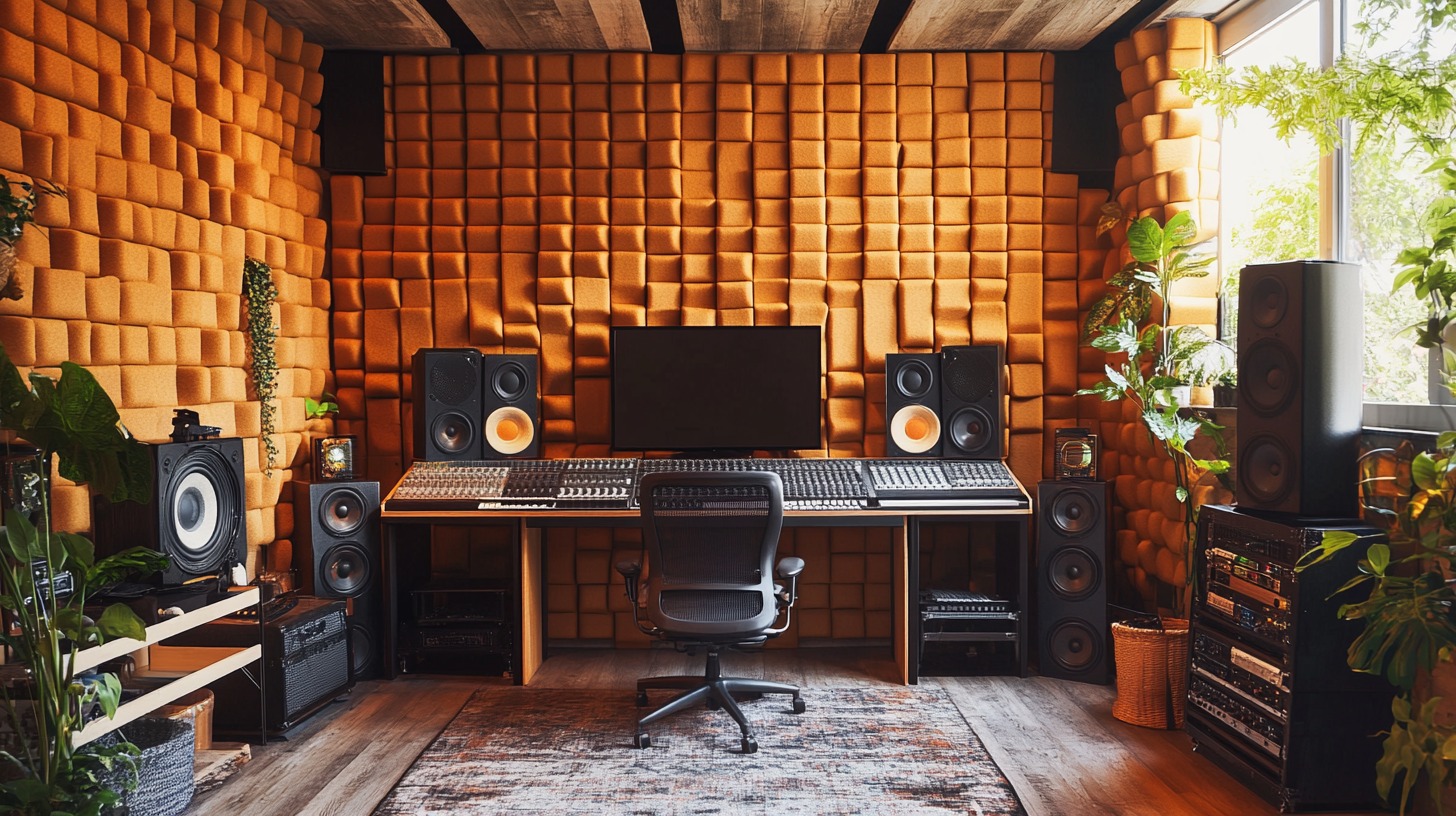
A soundproof room focuses on reducing external noise and minimising internal echoes through added mass and proper sealing. Effective methods include closing gaps around doors and windows with weather stripping or door sweeps, using thick acoustic panels or foam, hanging heavy curtains or blankets, and positioning solid furniture along walls to help block and absorb sound.
Unwanted noise can easily convert a comfortable room into a stressful one. Learning how to make a room soundproof can help you regain control over your environment. These ideas are designed to help you reduce noise without making any major changes. Whether you are setting up a home office, studio, or quiet bedroom, soundproofing can help you focus and feel comfortable instantly. Use thick curtains, rugs, and wall hangings to absorb sound and reduce echo. Seal small gaps around doors and windows with weather stripping. Rearranging furniture and adding soft furnishings can further block and soften unwanted noise effectively today.
What Is Soundproofing?
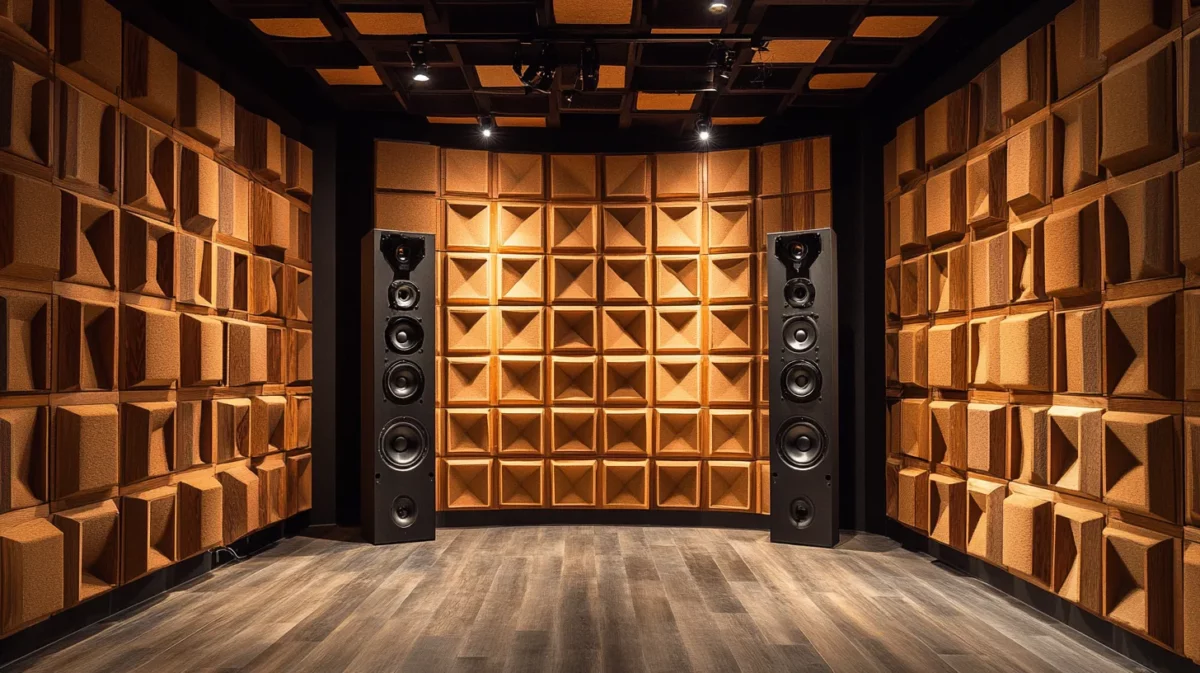
Soundproofing is the process of minimizing or preventing sound from entering or escaping a room. It involves using materials and methods such as added mass, sealing, and vibration control to reduce sound transmission, resulting in quieter spaces and eliminating external noise. Soundproofing is used anywhere noise needs to be controlled or reduced. Common places include:
Recommended Reading
Top Hanging Light Ideas to Illuminate Yo...

395.6K Views

Jan 31, 2025
15 Wall-Mounted Dining Table Design Idea...
106.3K Views
Jan 31, 2025
How to Make a Room Soundproof: 15 Ideas ...
32.5K Views
Jan 31, 2025
25 Front Gate Designs for Houses: Secure...
31K Views
Jan 31, 2025
20 Trendy Wooden Partition Wall for Livi...
26.9K Views
Jan 31, 2025
- Homes and apartments – to block traffic noise, neighbours, or loud appliances
- Recording studios – to prevent sound from entering or leaving the studio
- Offices and conference rooms – for privacy and reduced distractions
- Schools and libraries – to maintain quiet environments
- Hospitals – to create calm, restful spaces for patients
- Theatres and cinemas – to contain sound and improve viewing quality
- Factories and power plants – to reduce machine noise
- Hotels – to improve guest comfort and privacy
- Vehicles (cars, trains, airplanes) – to reduce engine and road noise
- Broadcast and podcast studios – for clear audio recording
10 Effective Ways to Soundproof Your Room and Reduce Noise
From weather-stripping, adding rugs as underlay and adding sound-dampening wall hangings, foam rubbers, window treatments, bookcases, drywalls, and more, there are a myriad of ways to soundproof a room. The choice, as mentioned above, depends on the quality of the material you use, the area you want to soundproof, and your total budget. So, keep a keen editorial eye on the top ideas listed below on how to soundproof your room. Read on!
1. Weather stripping tapes on doors & windows
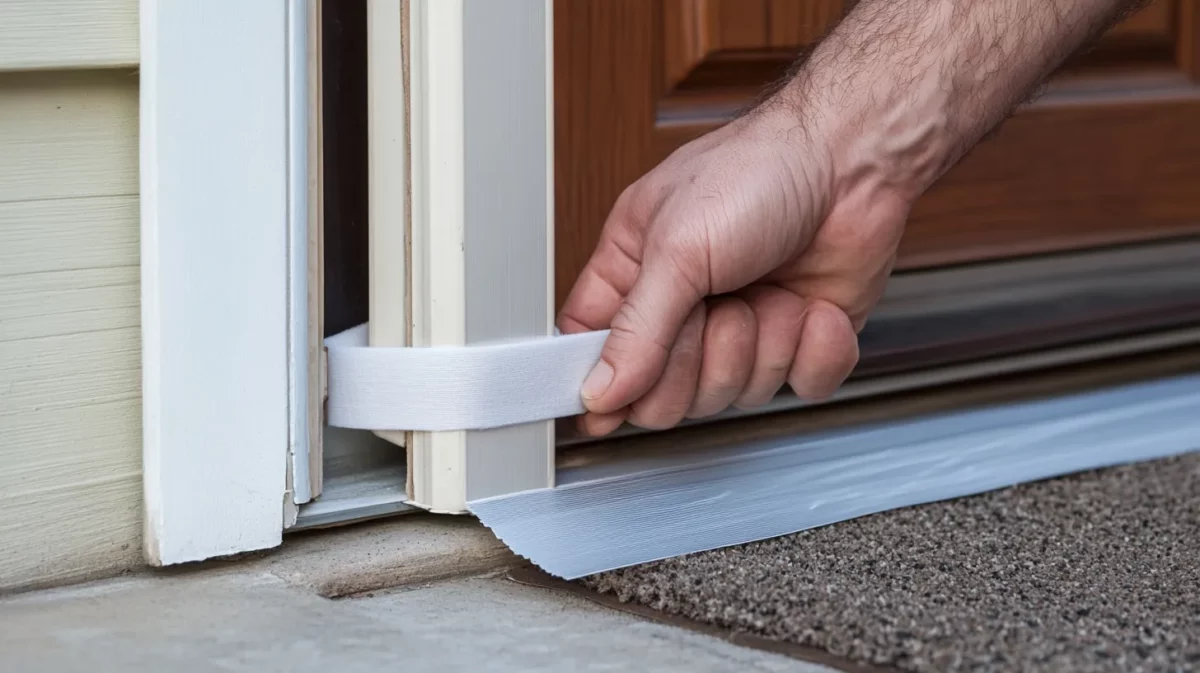
Weatherstripping isn't usually found on interior doors, but placing some around the outside of the entryway can help reduce noise.
- You can also find stick foam rubber strips. The weather stripping, as a process here, is not only inexpensive but also simple to apply.
- Even better, it produces a very tight seal. Felt is one of the oldest types of weather-stripping; it is available in packs of rolls, and even in variants with or without adhesive backs.
| Parameter | Options |
| Material Options | Felt, foam rubber strips, silicone, magnetic seals, and metal weather strips |
| Durability | Lasts 3–5 years, depending on quality and usage |
| Installation Tips | Measure accurately, cut strips neatly, and clean the surface before applying |
| Estimated Cost | ₹150–₹500 for foam/felt rolls; ₹600–₹1200 for silicone/metal types |
| Effectiveness | Reduces 30–40% of outside noise; also blocks dust, air leaks, and insects |
2. Padding drywalls
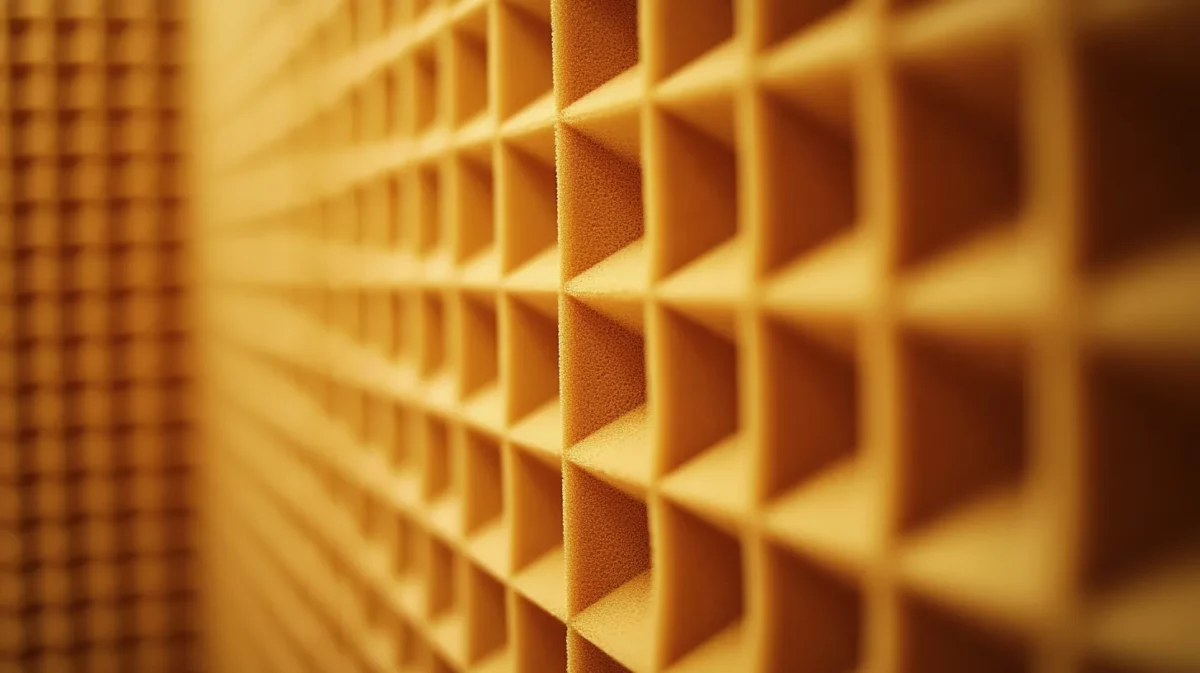
As mentioned before, the best way to make sound waves stop on their tracks (metaphorically) is to use dense materials to deaden them. While the process of using dry padding is not the answer to the question ‘how to soundproof a room cheaply, it is definitely one of the most effective ones to keep a room quiet. The dampening compound, comprised of such a sound-dissipating caulk, can also be added on top of the drywall, the entirety of which will not be thicker than 6 inches.
| Parameter | Details |
| Material Options | Extra drywall (gypsum boards), soundproof drywall, mass-loaded vinyl (MLV), and damping compounds such as Green Glue |
| Durability | Typically lasts 10–20 years with proper installation |
| Installation Tips | Install an additional drywall layer with damping compound, seal all gaps and joints, and ensure strong wall support |
| Estimated Soundproof Room Cost | ₹800–₹2000 per drywall sheet; ₹1500–₹4000 including damping compound and labor |
| Effectiveness | Can reduce 50–70% of outside noise, especially speech and mid-frequency sounds |
3. Quilted window pads
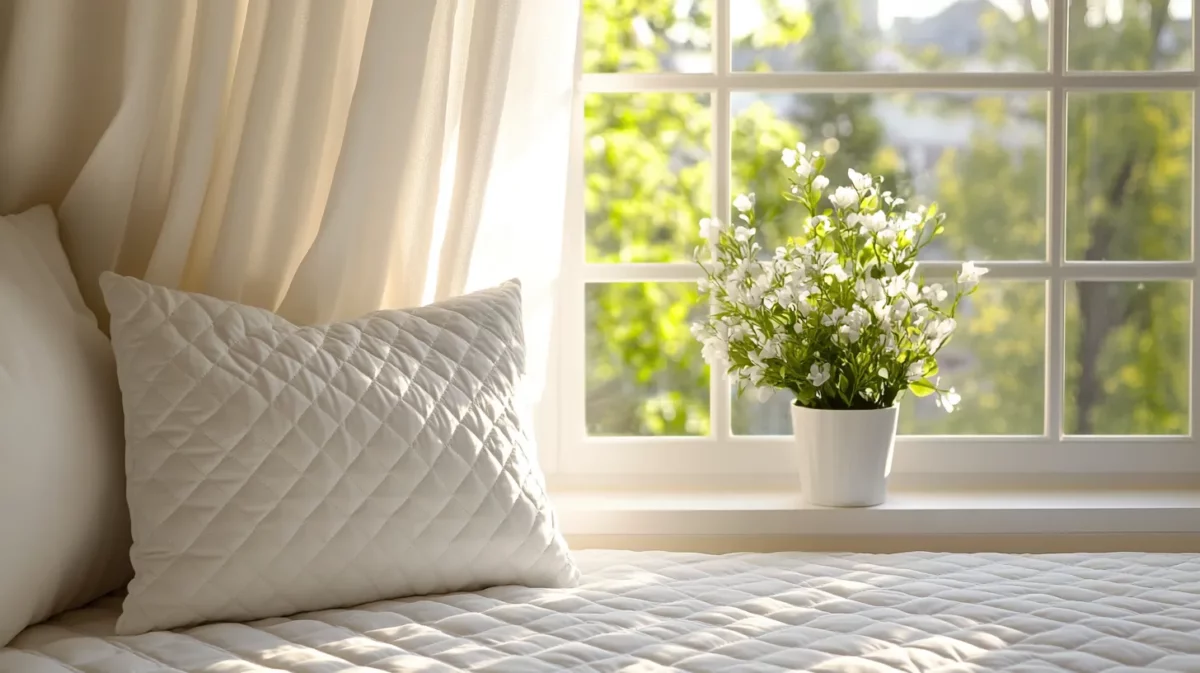
If you are wondering how to make a room more soundproof than it is, you can look at combining your sound-shielding window curtains with quilted window pads. While window curtains serve the dual purpose of blocking both sound and harsh sunlight, windows also get more fragile with time due to high exposure to external weather conditions. This is where quilted pads for windows not only help protect them, but also keep the sound out in an excellent way.
| Parameter | Details |
| Material Options | Thick quilted fabric, acoustic cotton, foam lining, or multi-layer insulated pads |
| Durability | Lasts 3–7 years, depending on fabric quality and daily use |
| Installation Tips | Fit tightly over the window frame, use Velcro or hooks for easy removal, and seal edges to prevent sound leaks |
| Estimated Soundproof Room Cost | ₹1000–₹3000 per window, depending on size and material |
| Effectiveness | Reduces 20–40% of outside noise and also helps block light and heat |
4. Hanging up tapestries

If you do not want to commit to professional soundproofing materials and equipment, there is a cheap and attractive alternative. Tapestries made of fabric, rugs, or even paintings on canvases do an excellent job of absorbing sound waves on a flat wall and therefore dissipating the noise (as opposed to amplifying it due to a hard wall surface).
| Parameter | Details |
| Material Options | Thick fabric tapestries, wool blankets, heavy curtains, or layered textile wall hangings |
| Durability | Lasts 2–5 years, depending on fabric quality and maintenance |
| Installation Tips | Hang tightly against walls using hooks or rods, cover large wall areas, and layer with foam or blankets for better noise reduction |
| Estimated Cost | ₹500–₹2000 per tapestry, depending on size and fabric |
| Effectiveness | Reduces 15–30% of noise by absorbing echoes and slightly blocking outside sound |
5. Lay down rugs
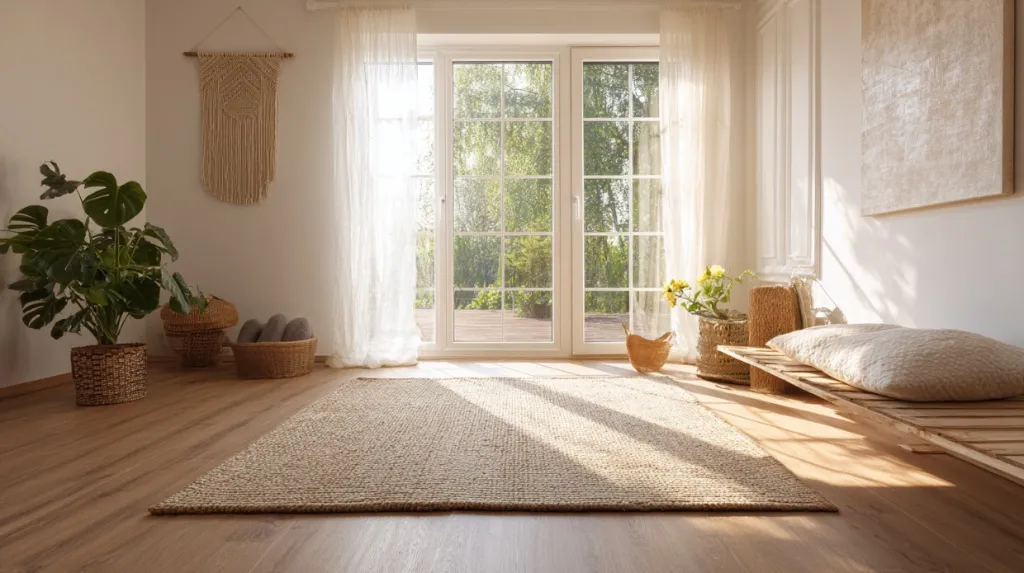
Not only may sound bounce off walls, but it can also bounce off hard surfaces like your floor. Floors occupy a substantial portion of the room and echo sound waves; open areas of the floor even more so. If you have a floor with a solid surface in your room made of either wood, laminate, or even tile, the easiest solution is to use an area rug to assist the absorption of sounds. A huge plus? You can choose one that suits your artistic personality with a variety of décor options! Given the higher thickness, note that thick carpets are preferable to thin rugs.
| Parameter | Details |
| Material Options | Thick rugs, carpets, wool mats, rubber-backed rugs, or layered floor coverings |
| Durability | Lasts 5–10 years, depending on material quality and foot traffic |
| Installation Tips | Cover as much floor area as possible, use rug pads underneath for extra sound absorption, and layer rugs for better noise reduction |
| Estimated Cost | ₹800–₹3000 per rug depending on size and material |
| Effectiveness | Reduces 20–40% of impact noise (footsteps) and helps minimize echo within the room |
6. Wall hanging sound-proof panels
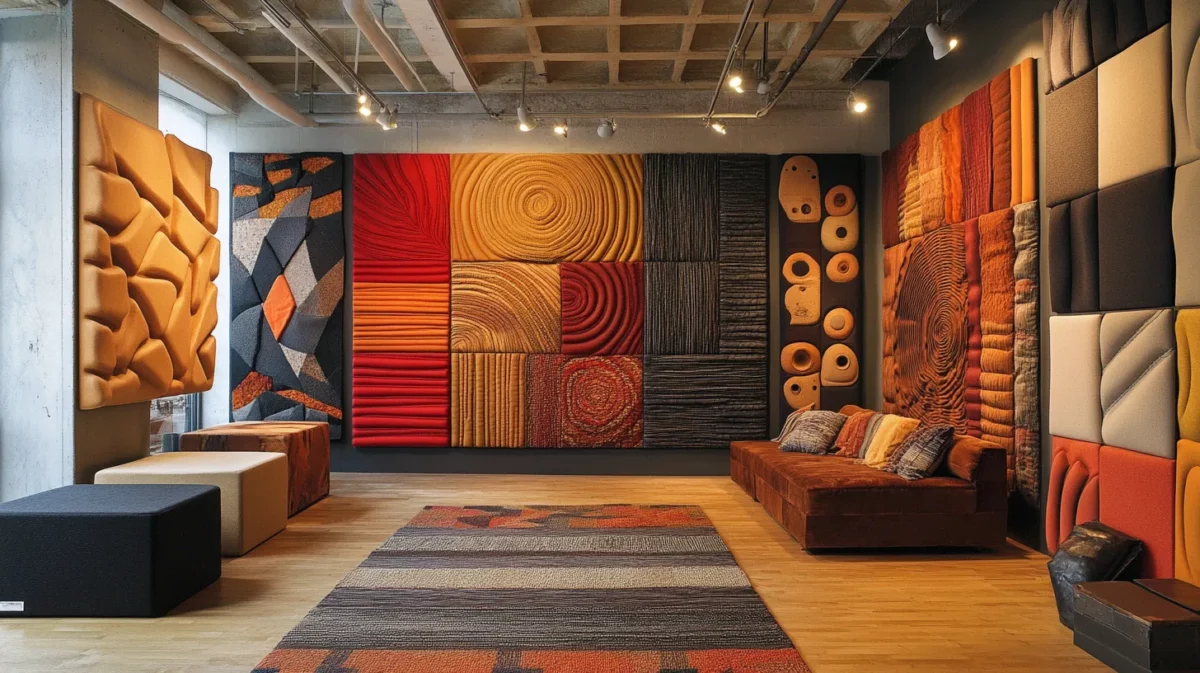
Sound is both reflected and amplified by firm surfaces such as drywall, caulks, angular panels, plaster, and tiles. As a result, it's only natural for soft surfaces to absorb sound, making spaces with soft rugs, tapestries, and cushions, much quieter. Thick blankets or quilts can also be used to cover walls in artistic ways. You can also use sound absorption panels on your walls as well as ceilings, but the look of the room will be much more industrial or corporate than homely. That said if you are looking at noise-dampening materials, be sure to explore others such as the dense polyester fibre, soft foam rubber, cork, etc., that are generally used to construct such soundproofing panels.
| Parameter | Details |
| Material Options | Acoustic foam panels, fabric-wrapped fibreglass panels, polyester fibre panels, or wood-fibre acoustic boards |
| Durability | Lasts 5–10 years, depending on material quality and room conditions |
| Installation Tips | Mount panels evenly on walls using adhesive strips or hooks, focus on large flat surfaces, and leave small gaps between panels for better sound absorption |
| Estimated Cost | ₹1000–₹4000 per set, depending on size and material |
| Effectiveness | Reduces 30–50% of echo and mid-frequency noise inside the room; limited effect on blocking outside noise |
7. Wall-length bookcases

If you have always aspired to create a quiet library at home, here is a way to hit two targets with a single arrow. As natural soundproofing materials, an array of books on ceiling-to-floor or wall-length bookcases works pretty efficiently in creating that pin-drop-silence atmosphere in the library/workroom. Not only do they work as a second wall, but they also educate and entertain us at the same time. Quite literally genius if you ask me!
| Parameter | Details |
| Material Options | Solid wood bookcases, MDF shelves, metal frames with tightly packed books or storage boxes |
| Durability | Lasts 10+ years with good-quality materials and proper support |
| Installation Tips | Place bookcases against noisy walls, fill shelves tightly with books or fabric storage boxes, and secure units to the wall for stability |
| Estimated Cost | ₹2000–₹8000 depending on size and material |
| Effectiveness | Reduces 20–40% of noise by adding mass and absorbing sound, especially mid- and high-frequency noise |
8. Plug door sweeps
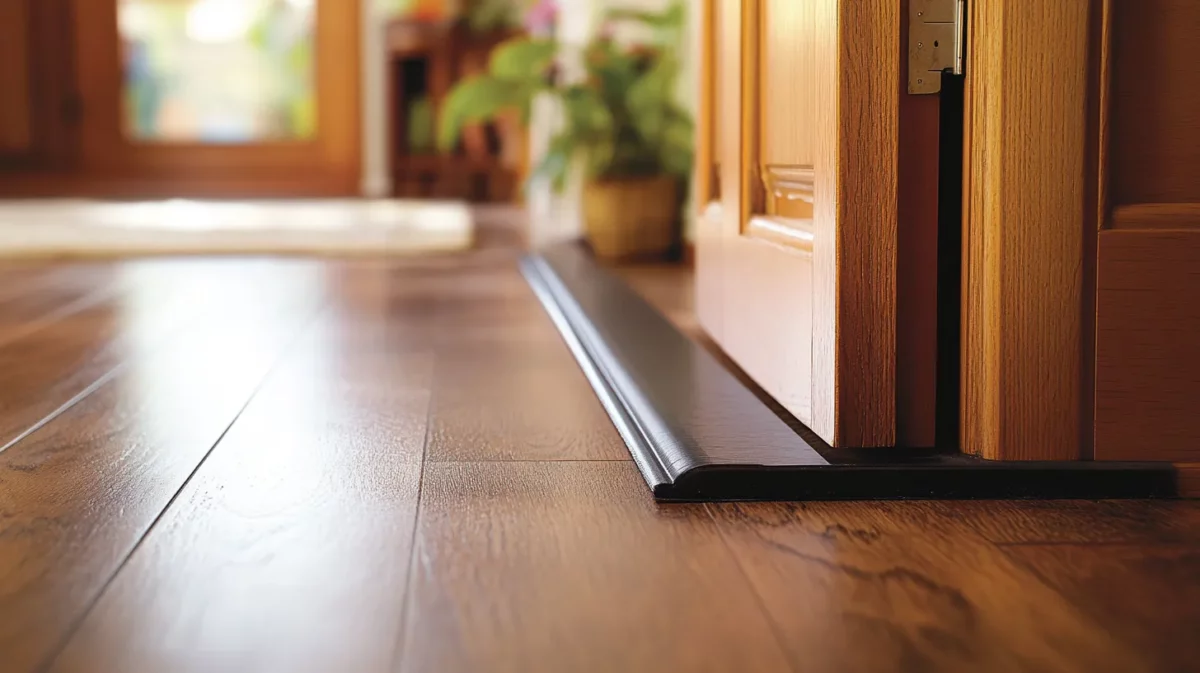
Regardless of how much effort you put into soundproofing your room, none of it will be of any use if you do not take care of the doors. It is usually the bottom of the doors that brings in a lot of outside noise into the room. The best way to deal with it is to get a door sweep that can be [pglued or nailed to the side and bottom edges of the door. Sweeps are typically made up of plastic, metal, rubber, or a combination of them all, coming with self-adhesive options. Alternatively, you can also make DIY draft blockers underneath the doors and secure them with Velcro tape.
| Parameter | Details |
| Material Options | Foam draft stoppers, fabric door snakes, rubber sweeps, silicone or brush-style door seals |
| Durability | Lasts 2–5 years, depending on material quality and daily use |
| Installation Tips | Fit tightly along the bottom edge of the door, choose adjustable or stick-on types, and ensure no gaps remain |
| Estimated Cost | ₹200–₹800 per door |
| Effectiveness | Reduces 15–30% of outside noise and blocks dust, cold air, and insects |
9. Soundproof paint
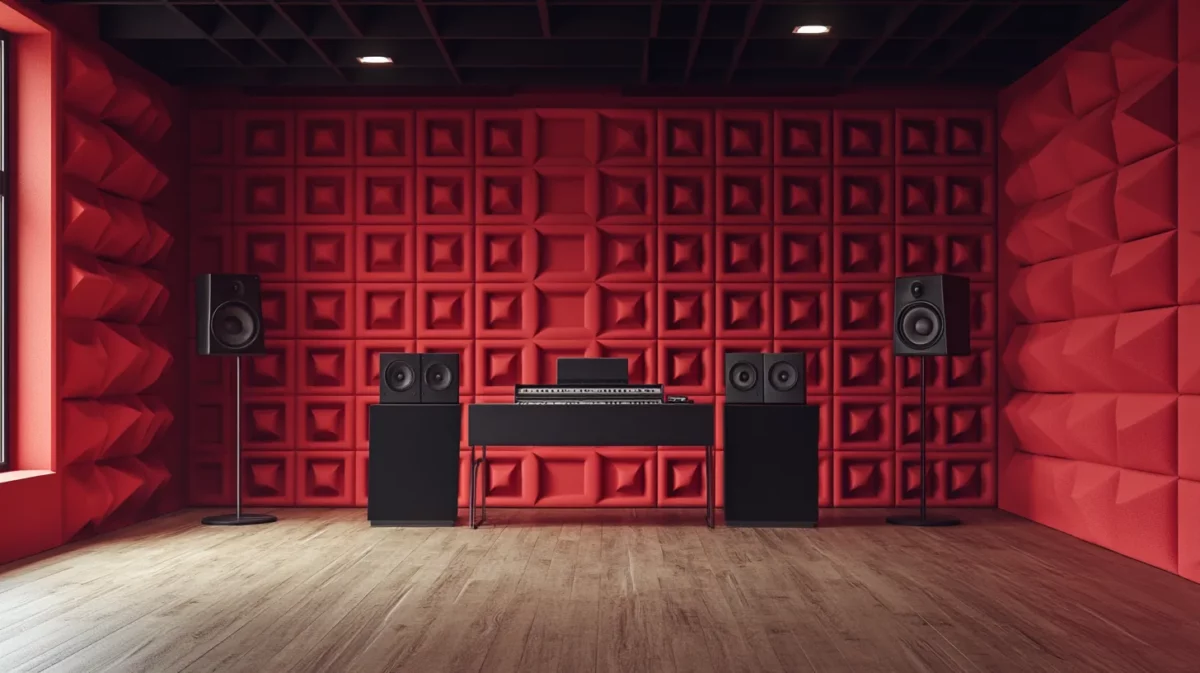
While the term ‘soundproof’ is a misnomer, ‘sound-reducing’ or ‘absorbing’ paints are still effective in not only making your room look attractive but also reducing noise transmission. Also known as acoustic paint, these water-based soundproofing materials are made of fast-drying viscoelastic compounds so that you can control a certain level of noise pollution within the room.
| Parameter | Details |
| Material Options | Latex-based soundproof paint with ceramic microspheres or acoustic additives |
| Durability | Lasts 5–8 years like regular interior paint when properly applied |
| Installation Tips | Apply multiple thick coats, prepare and clean the wall surface well, and combine with other soundproofing methods for better results |
| Estimated Cost | ₹1500–₹3500 per bucket depending on brand and coverage |
| Effectiveness | Reduces 5–15% of noise; more effective for echo reduction than blocking outside sound |
10. Get a white noise machine

Another product that is not quite as effective as professional-grade soundproofing materials, but does a wonderful job of limiting noise pollution, is the white noise machine. How it works is a curious one. Instead of eliminating sound waves, the white noise machine increases the flat and neutral layers of the sound that typically generate dull and disturbing noise.
| Parameter | Details |
| Material Options | Electronic white noise machines, fan-based units, smartphone apps, or smart speakers with noise functions |
| Durability | Lasts 5–10 years, depending on device quality and usage |
| Installation Tips | Place near the noise source or bedside, set volume to a comfortable level, and choose consistent sound settings for best masking effect |
| Estimated Cost | ₹1000–₹4000 depending on brand and features (apps may be free or low-cost) |
| Effectiveness | Place near the noise source or bedside, set volume to a comfortable level, and choose consistent sound settings for the best masking effect |
How to Reduce Noise in Your Room: Practical Soundproofing Solutions
Soundproofing offers effective solutions to control unwanted noise through a combination of simple and complex techniques, including rugs, door seals, wall panels, and soundproof drywall. With a wide range of affordable, easy-to-install solutions available, individuals can create a quieter, more comfortable living space. The desire for a quiet environment is a key driver of improved focus, sleep, and overall well-being. By applying these strategies, individuals can enjoy greater privacy, reduced noise, and a significant improvement in comfort and quality of life.
How can NoBroker Help You?
NoBroker Interiors helps you get a noise-free, comfortable home by connecting you with reliable interior and soundproofing experts, providing expert advice, and assisting you throughout the project. From analysing the noise problem to recommending the best materials and solutions, NoBroker makes the entire process easy and smooth. With clear pricing, reliable vendors, and customised design support, homeowners can save time and effort while creating noise-free living spaces that enhance comfort, privacy, and overall quality of life.
