


Summary
Planning to design your dream interiors, but are confused between HDMR vs plywood? You are not alone. Selecting the right material can directly affect your budget and satisfaction. Many homeowners struggle to balance budget and durability, especially in kitchens and wardrobes that see daily use. Understanding the difference between Hdhmr and plywood in 2026 is critical, as rates, advancements, and quality parameters have changed. The correct selection will help you save money, avoid repairs, and extend your furniture's lifespan. We will help you understand the differences so that you can make a well-informed decision.
What are HDHMR?
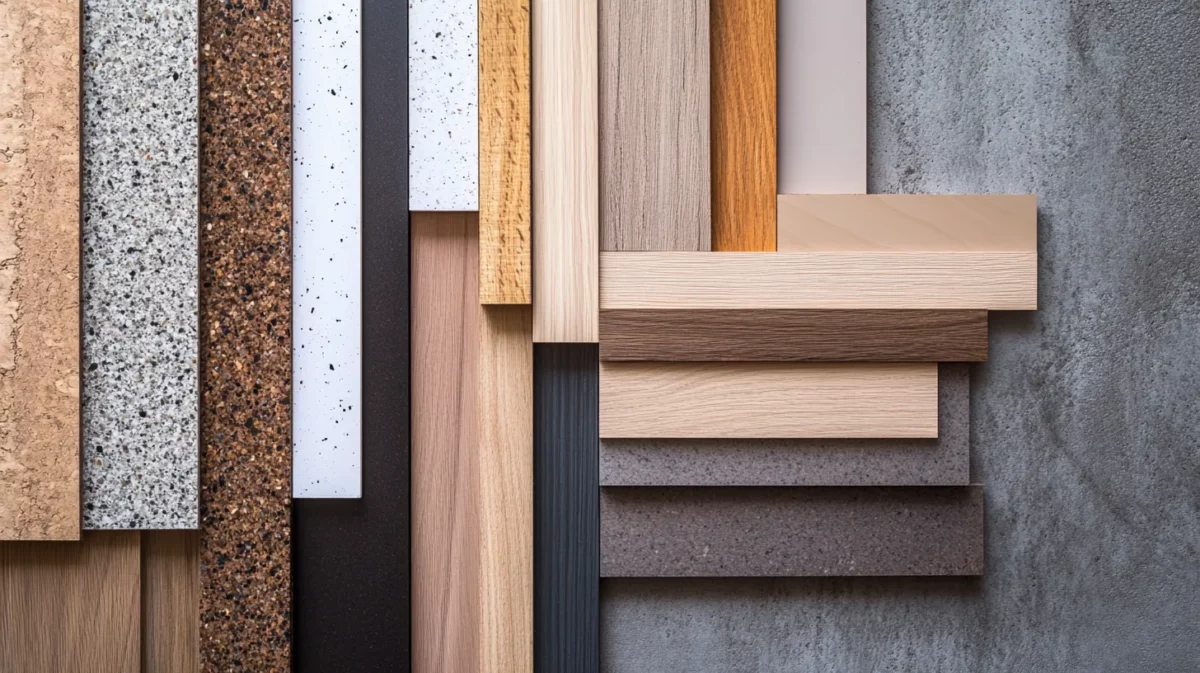
High-density, high-moisture-resistant boards are referred to as HDHMR. Consider them the elegant equivalent of traditional wood panels, designed specifically for Indian homes where moisture and humidity are persistent issues. Wood fibers are combined with unique resins and binding agents to create these engineered wood boards. So, what are the outcomes? A material that is more resilient, stronger, and better suited to our tropical climate than ordinary plywood.
Recommended Reading
Top Hanging Light Ideas to Illuminate Yo...

395.6K Views

Jan 31, 2025
Gypsum vs POP: Which is Better for False...
30.3K Views
Jan 31, 2025
20 Trendy Wooden Partition Wall for Livi...
26.9K Views
Jan 31, 2025
HDHMR vs Plywood: Price, Durability &...
25.4K Views
Jan 31, 2025
Normal House Front Elevation Design For ...
24.6K Views
Jan 31, 2025
How HDHMR Boards Are Made?
The industrial process is what makes HDHMR special:
- Raw Material Collection: Quality wood fibers from sustainable sources like rubberwood and pine
- Mixing Process: Wood fibers are mixed with moisture-resistant resins and wax
- High-Pressure Formation: The mixture is crushed under intense pressure to create density
- Heat Treatment: Hot pressing activates the binding agents for maximum strength
- Finishing: Boards are trimmed and sanded to achieve smooth surfaces
This process creates boards with a density above 800 kg/m³, making them significantly stronger than regular plywood.
HDHMR vs Plywood Price: 2026 Market Analysis
The table below provides an overview of various HDHMR board price and plywood cost, along with the cost benefits in detail:
| Category | Type | Typical Price Range (₹/sq ft) | Cost Benefit |
| HDHMR Boards | Raw (Plain) HDHMR | ₹60 – ₹130 | Slightly higher than basic MR plywood but good value for moisture resistance |
| Pre-laminated HDHMR | ₹105 – ₹160 | Higher upfront cost, saves on laminating labour and finishing | |
| Low-Emission (E1/E0) HDHMR | ₹120 – ₹180 | Premium option, price justified by low emissions and quality | |
| Plywood Boards | Commercial Plywood (MR) | ₹45 – ₹75 | Most economical option for dry interiors |
| BWR Plywood | ₹65 – ₹110 | Mid-range cost with better moisture resistance than MR | |
| BWP / Marine Plywood | ₹90 – ₹180 | Higher cost is suitable for high moisture and wet areas | |
| Flexible / Bendable Plywood | ₹95 – ₹160 | Higher cost due to specialty bending use | |
| Decorative / Pre-laminated Plywood | ₹100 – ₹180 | Higher cost, but reduces the need for separate finishing | |
| Calibrated / Premium Surface Plywood | ₹85 – ₹150 | Slightly higher cost with more consistent thickness | |
| Termite-Resistant / Treated Plywood | ₹70 – ₹130 | Slight premium for added pest protection |
HDHMR Board vs Plywood: Strength and Durability Comparison
| Category | Type | Strength | Durability |
| HDHMR Boards | Raw (Plain) HDHMR | High density and uniform strength, good load-bearing for furniture | High durability, resistant to moisture and warping in indoor use |
| Pre-laminated HDHMR | High strength similar to raw HDHMR with a finished surface | High durability with added surface protection | |
| Low-Emission (E1/E0) HDHMR | High strength with improved material quality | High durability with safer indoor performance | |
| Plywood Boards | Commercial Plywood (MR) | Moderate strength, suitable for light to medium furniture | Moderate durability in dry interior conditions |
| BWR Plywood | High strength with strong bonding resin | Good durability in humid and semi-wet areas | |
| BWP / Marine Plywood | Very high strength with waterproof bonding | Very high durability, suitable for wet and heavy-use environments | |
| Flexible / Bendable Plywood | Low to moderate strength, designed for curved surfaces | Moderate durability for decorative and curved applications | |
| Decorative / Pre-laminated Plywood | Strength depends on base plywood grade | Durability depends on surface finish and base plywood quality | |
| Calibrated / Premium Surface Plywood | High and uniform strength due to even thickness | High durability with better surface consistency | |
| Termite-Resistant / Treated Plywood | High strength with chemical treatment | High durability with added resistance to pests |
The Difference between HDHMR and Marine Plywood
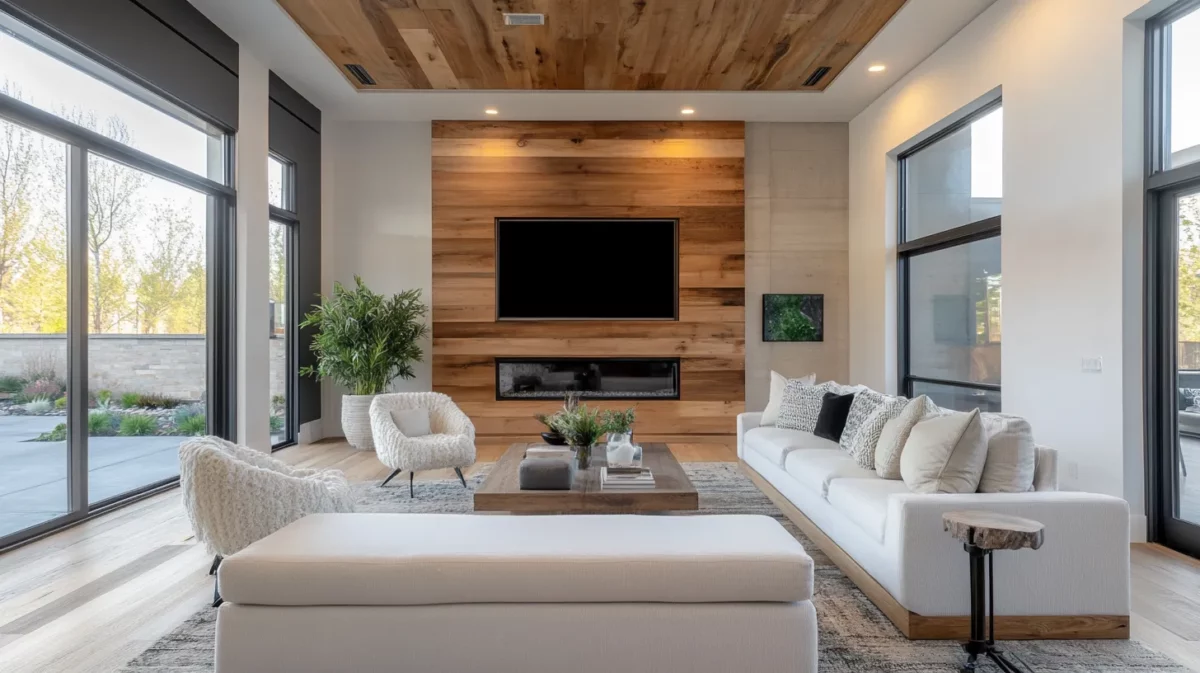
When selecting materials for home interiors, especially for furniture and cabinets, HDHMR and marine plywood often come up as popular choices. While both offer moisture resistance and durability, they differ significantly in cost, lifespan, and ideal use cases. This comparison will help you decide which is better suited for your needs and budget.
| Aspect | HDHMR | Marine Plywood |
| Cost (per sq ft) | ₹60 -110 (pre-laminated) | ₹70 -150 (varies by thickness) |
| Moisture Resistance | Excellent built-in moisture resistance | Superior water resistance with waterproof glue |
| Durability | 15 - 20 years with proper care | 50+ years with regular maintenance |
| Recommended Applications | Interior furniture, kitchen cabinets, and cost-effective options | High-end furniture, structural uses, maximum longevity |
In summary, HDHMR is a cost-effective option ideal for most interior applications, while marine plywood is a premium material built for durability and moisture-heavy environments. Your choice ultimately depends on your budget, the intended application, and how long you expect the material to last.
Real-World Applications: HDHMR vs Marine Plywood
When choosing materials for home interiors and furniture, it's not just about durability or price; it’s also about suitability for specific applications. HDHMR boards and marine plywood each have their advantages, making them ideal for different areas of the home. Whether you’re planning a moisture-prone kitchen or a sturdy outdoor unit, knowing where each material works best helps you make informed decisions. Here's a detailed breakdown of where HDHMR and plywood truly shine.
| Category | HDHMR Boards | Marine Plywood |
| Kitchen Applications | Interior shelves and partitions - Cabinet backs and sides - Base units where moisture exposure is high | Cabinet doors - Furniture frames - Visible surfaces with wood finish |
| Bedroom Furniture | Wardrobe interiors - Bookshelves - TV units and entertainment centers | Furniture frames - Structural base for heavy use |
| Bathroom Uses | Vanity bases - Storage units - Wall paneling (with proper lamination) | Not commonly used unless a marine grade is required |
| Outdoor Projects | Not recommended for exterior use | Garden furniture (marine grade) - Exterior cladding - Structural elements |
| Environmental Factors | Made from wood waste and sustainable fibers - Efficient resource use - Lower carbon footprint | Quality depends on forestry practices - Certified sustainable wood (premium) - Traditional manufacturing |
Both HDHMR and marine plywood bring unique benefits to the table, quite literally. HDHMR is a practical, budget-friendly solution for most interior applications, especially in moisture-sensitive areas like kitchens and bathrooms. On the other hand, marine plywood excels in structural strength, long-term durability, and outdoor use. Choosing the right material depends on your priorities, be it cost, sustainability, or lifespan. Evaluate your project’s needs carefully, and you’ll end up with furniture that looks great and lasts for years.
Which is Better: HDHMR or Plywood?
HDHMR vs Plywood both offer unique advantages in furniture and interior design. Choosing the better material depends on moisture exposure, load requirements, durability expectations, and overall budget considerations:
Advantages of HDHMR:
- Highly moisture-resistant, suitable for kitchens and humid areas
- Smooth and uniform surface, ideal for lamination and modular furniture
- Termite and borer-resistant
- Less prone to warping and swelling
Disadvantages of HDHMR:
- Lower structural strength compared to plywood
- Heavier in weight
- Not suitable for heavy load-bearing furniture
Advantages of Plywood:
- High structural strength and load-bearing capacity
- Good bending resistance, suitable for beds, wardrobes, and cabinets
- Available in different grades such as MR, BWR, and Marine
- Easy to repair and widely available
Disadvantages of Plywood:
- Can warp or swell when exposed to moisture (except marine grade)
- Surface may not be as smooth as HDHMR
- Requires proper treatment for termite and moisture protection
Still Confused Between HDHMR and Plywood? Here's Your Answer
Choosing the right material is key to ensuring your furniture or interior project stands the test of time. Both HDHMR and plywood have their strengths, but their suitability depends on where and how you plan to use them. If you're stuck between the two, the comparison below will help you make a smart, well-informed decision based on price, durability, moisture resistance, and more.
| Criteria | Choose HDHMR | Choose Plywood / Marine Plywood |
| Budget | Wins the HDHMR vs plywood price comparison | Higher cost, especially for premium and marine-grade plywood |
| Moisture Resistance | Excellent for kitchens, wardrobes, and bathrooms | Marine plywood excels in extreme moisture and outdoor applications |
| Installation Ease | Lightweight and easy to cut or shape | Requires skilled handling, especially with thicker grades |
| Aesthetics | Modern, pre-laminated options for a sleek finish | Natural wood grain is ideal for premium furniture |
| Durability | 15–20 years with care | 20–50+ years; HDHMR vs marine plywood shows marine grade has the edge |
| Strength | High screw-holding capacity, uniform structure | Superior for structural or load-bearing furniture |
In short, go for HDHMR if you’re looking for a cost-effective, moisture-resistant, and easy-to-install option for modern interiors. But if aesthetic appeal, structural strength, and long-term durability are your top priorities, especially in high-end or load-bearing furniture, plywood or marine plywood is worth the investment. Let your needs, budget, and design goals guide your final choice.
Summary Of The Comparison Between HDHMR vs Plywood:
HDMR and plywood are two popular materials for interiors. HDMR is moisture-resistant, affordable, and perfect for kitchens, bathrooms, and wardrobes. Plywood, especially marine grade, is more expensive but stronger and lasts longer, making it ideal for premium furniture and outdoor use. Choosing between the two depends on your budget, the cost of HDHMR board and plywood, the application area, and the desired lifespan.
Why Choose NoBroker for Your Interior Needs?
At NoBroker Interior, we understand that choosing the right material is just the first step. Our interior design experts can help you:
- Select the best materials for your specific needs
- Connect you with trusted suppliers offering competitive prices
- Provide end-to-end interior design services
- Ensure quality installation and finishing
Whether you choose HDHMR or plywood, our team ensures you get the best value for your investment.