



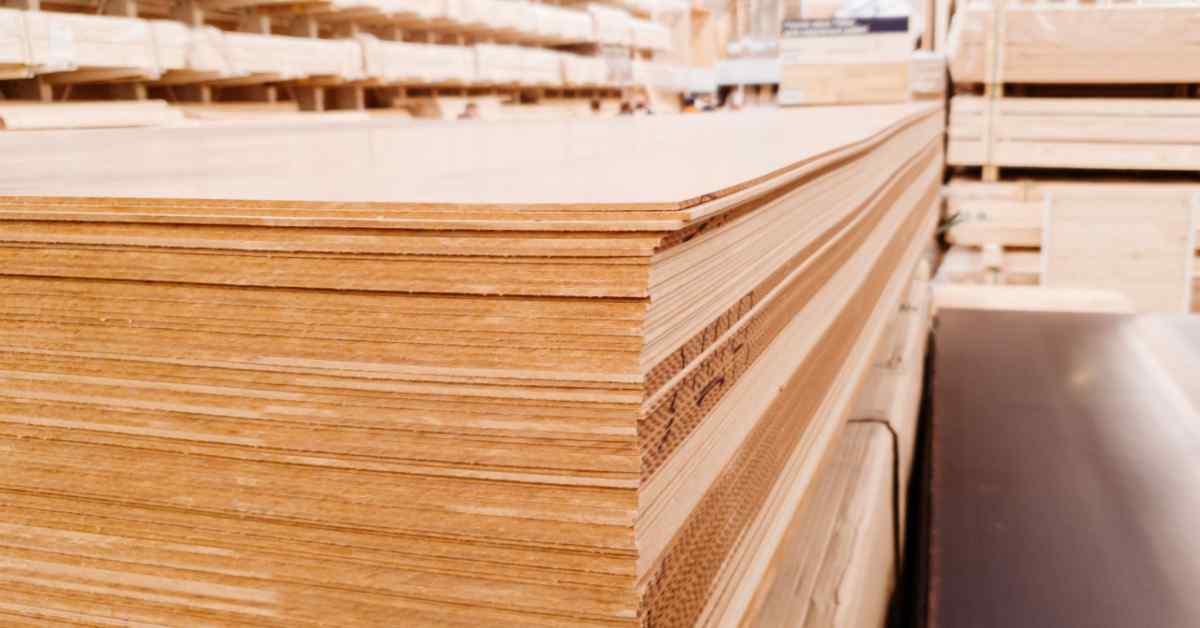


Looking for the right kind of wood for your interiors? HDF and MDF are two popular choices for cabinets, furniture, and more. Read on to learn about the differences between the two and which one might be better suited for your needs.
Understanding The Basics Of HDF And MDF
HDF and MDF are wood composites that have become increasingly popular in recent years. Both are made by compressing wood fibres and resin to form sheets. The difference lies in the density of the wood fibres used to create them.
Recommended Reading
Top Hanging Light Ideas to Illuminate Yo...

395.6K Views

Jan 31, 2025
How to Make a Room Soundproof: 15 Ideas ...
32.5K Views
Jan 31, 2025
20 Trendy Wooden Partition Wall for Livi...
26.9K Views
Jan 31, 2025
HDHMR vs Plywood: Price, Durability &...
25.3K Views
Jan 31, 2025
20+Beautiful Bed Back Design Ideas for Y...
21.7K Views
Jan 31, 2025
What’s the difference between MDF and HDF?
HDF and MDF are two common materials used in the construction of furniture, cabinets, doors, and other household items. While they are similar in many ways, there are important differences between HDF vs MDF that should be taken into consideration when choosing which material to use for a specific project.
| Feature | HDF (High-Density Fiberboard) | MDF (Medium-Density Fiberboard) |
| Composition | Made from highly compressed hardwood fibresOffers exceptional strength and durabilityResists warping, cracking, and splitting | Made from a mix of hardwood and softwood fibresLess dense than HDFEasier to work with and more affordable |
| Common Applications | Used in flooring, doors, and high-performance furniture | Ideal for cabinetry, moulding, and shelving where a smooth finish is desired |
| Density | Denser and heavierStronger and more durable, better resistance to moisture and humidity | Lighter and less denseEasier to cut, drill, and handle. Not ideal for high-moisture areas |
| Texture & Finish | More uniform texture, easier to paint and stain | A more porous surface requires more preparation to achieve a smooth finish |
| Water Resistance & Moisture Tolerance | More water-resistant due to high densitySuitable for kitchens, bathrooms, and outdoors. Withstands moisture without degrading | Highly porousAbsorbs water easily, leading to swelling and warpingNot recommended in moisture-prone environments |
| Durability in Moist Environments | Can withstand long-term exposure to moistureIdeal for doors, window frames, and outdoor furniture | Susceptible to damage and distortion when exposed to moistureMust be protected from water and humidity |
When it comes to MDF vs HDF board moisture tolerance, HDF is generally more resilient than MDF. It can withstand exposure to moisture for longer periods without degrading, which makes it a better choice for outdoor applications, such as doors and window frames.
Overall, the choice between HDF board vs MDF board will depend on the specific application and the desired characteristics of the finished product. While HDF is stronger and more durable, it is also more expensive and harder to work with. MDF is less expensive and easier to work with, but it is also less durable and may not be suitable for high-performance applications.
HDF vs MDF: The Ultimate Showdown of Pros and Cons!
| Wood | Pros | Cons |
| HDF | Strong and durableResistant to moisture and rot, better for furniture and cabinetry, can be used for exterior applications like doors | Smooth and uniform surfaceEasy to shape and Inexpensive and widely availableGood for painted finishesMore stable than solid wood, less likely to warp or twist |
| MDF | More expensive than MDF. It can be harder to work with and cut. Not as smooth or uniform as MDF. May require more preparation and sanding before painting | Susceptible to moisture and humidity, as strong or durable as HDF. Not suitable for outdoor useMay emit formaldehyde gas when cut or sanded |
HDF vs MDF for Home Decor
HDF and MDF are two popular engineered wood products used in home decor. HDF (High-Density Fiberboard) is made by compressing wood fibres and resins to create a dense, strong material. MDF (Medium-Density Fiberboard) is also made by compressing wood fibres and resins, but it has a lower density and is more flexible than HDF.
When it comes to home decor, both HDF and MDF have their strengths and weaknesses. HDF is a better choice for applications that require high strength and durability, such as flooring and countertops. On the other hand, MDF is more versatile and can be used for a wider range of applications, including furniture, cabinetry, and decorative moulding.
| Aspect | HDF (High-Density Fibreboard) | MDF (Medium-Density Fibreboard) |
| Common Uses in Furniture | TabletopsHeadboardsHigh-strength furniture parts | Cabinet doors, drawer fronts, decorative panels |
| Benefits for Home Decor | Made from recycled wood fibresHigh strength and stabilitySuitable for heavy-duty. Available in multiple thicknesses and sizes | Eco-friendly (recycled content), Smooth surface for easy paintingGreat for detailed design workEasy to cut and shape |
| Best Applications in Home Decor | FlooringCountertopsWall panellingInterior doors | Trim and molding, Wainscoting, Cabinets, and shelving DIY furniture and decor projects |
| Advantages in Manufacturing | High density offers durabilityUniform texture, and strength, less prone to warping | Cost-effective for mass productionEasily machined and painted |
| Suitability for DIY | Good for structural or load-bearing DIY projects | Excellent for decorative and DIY craft projects. |
HDF vs MDF Cabinets: How to Choose Between HDF and MDF Boards?
When choosing between HDF and MDF boards, it is important to consider the application.
| Criteria | HDF (High-Density Fibreboard) | MDF (Medium-Density Fibreboard) |
| Strength & Durability | High strength and densityIdeal for heavy-duty useLess prone to dents and scratches | Medium strengthSuitable for moderate useCan be damaged more easily |
| Best Applications | FloorinCountertopsKitchen cabinets that face heavy use | FurnitureDecorative mouldingPainted cabinetry |
| Surface Finish | Harder to paint and finishRequires more prep for smooth results | Smooth surface, easy to paint and finish. Ideal for coloured finishes |
| Cabinet Use Suitability | Great for high-traffic areas like kitchen cabinetsWithstands wear and tear | Best for decorative or painted cabinetsIdeal for display units and light-use furniture |
| Versatility | More limited due to hardness and density. Not ideal for intricate designs | Highly versatileCan be carved, moulded, and machined easily |
How to Choose Between HDF and MDF for Your Next Project?
When choosing between HDF and MDF boards, there are several factors that you should consider to ensure that you choose the right one for your specific needs. Here are some key factors to consider:
| Criteria | HDF Boards | MDF Boards |
| Density | Denser and heavierMore durable and impact-resistantHarder to work withMay increase overall cost | Less dense and lighterEasier to cut and shapeGenerally more affordable |
| Moisture Resistance | Susceptible to moisture damage. Not ideal for damp environments | Susceptible to moisture damageNot ideal for damp environments |
| Finish Quality | May require more sanding and prepLess consistent surface. Not as smooth for painting | Smoother and more consistent finishIdeal for painting and finishing |
| Cost | Generally, more expensiveHigher durability may justify a long-term investment | Lower costMore budget-friendly for short- to mid-term use |
| Application | Ideal for high-traffic areasSuitable for impact-resistant needsGreat for flooring and cabinetry | Better for furniture and decorative itemsSuitable for projects needing a smooth painted surface |
By considering these factors, you can make an informed decision about whether HDF or MDF boards are the best choices for your specific project or application. Understand the HDF vs MDF benefits and drawbacks before making your choice.
How Can NoBroker Help?
Choosing between HDF and MDF depends on your project needs, budget, and desired finish. HDF is denser, stronger, and more moisture-resistant, making it ideal for high-traffic areas like kitchen cabinets, flooring, and doors. MDF, while less durable, is cost-effective, easy to work with, and perfect for painted or decorative furniture. Both offer versatility and eco-friendliness, but understanding their pros and cons will help you make the right choice.
As a homeowner, you may face challenges like finding the right material or managing costs. NoBroker's Interior Decor services can help you find the right designers to guide you through the process. Our team can also guide you on the best uses of HDF and MDF.
Upgrade your home decor with HDF and MDF boards and enjoy the benefits of their versatility and durability. Let NoBroker simplify the process for you with our seamless end-to-end solutions. Connect with us today to explore more options and take your home decor to the next level.

