


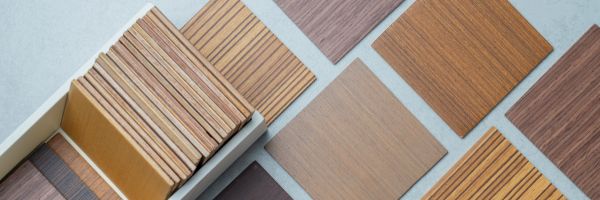


Engineered wood offers durability, design flexibility, and cost efficiency for modern homes and interiors. With popular options like plywood, MDF, HDF, and blockboard, homeowners can choose the right engineered wood for furniture, flooring, and interior applications in 2026. With over 18,100+ monthly searches, interest continues to grow. Understanding what is engineered wood helps you compare types, prices, and performance, evaluate engineered wood vs particle board, and make informed buying decisions without costly mistakes.
What is Engineered Wood?
Engineered wood refers to man-made wood products created by bonding wood veneers, fibres, strands, or particles using strong adhesives under heat and pressure. Manufacturers design these boards to deliver consistent strength, uniform thickness, and better resistance to warping than natural timber. When you compare engineered wood with solid wood, engineered wood offers better dimensional stability and more consistent quality. Unlike solid wood, they resist cracks caused by moisture changes. These are not cut directly from a tree trunk; engineered wood is assembled to achieve specific strengths and sizes that nature doesn't always provide on its own.
Recommended Reading
20 Trendy Wooden Partition Wall for Livi...

26.9K Views

Jan 31, 2025
HDHMR vs Plywood: Price, Durability &...
25.2K Views
Jan 31, 2025
20+Beautiful Bed Back Design Ideas for Y...
21.7K Views
Jan 31, 2025
Eye-Catching and Trendy Wooden Door Desi...
16.1K Views
Jan 15, 2025
All You Need to Know About Mangalore Til...
16.1K Views
Dec 23, 2019
Common applications include MDF for furniture and finishes, plywood for structural and load-bearing applications, and particleboard for budget interiors. Depending on type and application, engineered wood prices in India typically range from ₹30 to ₹1,000+ per sq. ft.
Types of Engineered Wood –Quick Comparison Table
| Type | Construction Method | Key Features | Best Applications | Price Range (₹/sq.ft) |
| Plywood | Cross-laminated veneer sheets | Strong, moisture-resistant, versatile | Furniture, panelling, roofing | ₹90–220 |
| Blockboard | Softwood strip core with veneer | Lightweight, stable, strong screw holding | Doors, tables, partitions | ₹80–210 |
| Particle Board | Recycled wood particles | Low cost, eco-friendly | Cabinets, office furniture | ₹20–50 |
| MDF | Fine wood fibres bonded with resin | Smooth finish, paint-friendly | Cabinets, mouldings | ₹45–190 |
| HDF | High-density fibre construction | Durable, water-resistant | Flooring, premium furniture | ₹50–170 |
| LVL | Veneers with aligned grains | Structural strength | Beams, scaffolding | ₹150–300 |
| CLT | Cross-layered wood panels | High structural performance | Buildings, architecture |
What are the Different Types of Engineering Wood?
Just like solid wood varies by tree species, engineered wood comes in multiple types, each designed for specific uses and budgets. These materials offer strength, stability, and durability similar to natural wood at a lower cost. Understanding the different types of engineered wood helps you choose the right option for furniture, flooring, and interior applications.
Each type offers unique characteristics, benefits, and ideal use cases.
1. Plywood: The Original Engineered Wood
Plywood remains the most popular and widely recognised form of engineered wood in India, known for its versatility and proven performance.

How is it made?
Manufacturers bond multiple thin wood veneers with alternating grain directions using heat, pressure, and moisture-resistant adhesives.
Key Characteristics:
- Exceptional Versatility: Suitable for interior and exterior applications
- High Strength-to-Weight Ratio: Strong yet relatively lightweight
- Moisture Resistance: Quality grades withstand humidity
- Easy Workability: Simple to cut, drill, and shape
Best Used For:
- Furniture Construction: Bed sets, wardrobes, storage units
- Interior Panelling: Wall coverings and decorative elements
- Structural Uses: Subflooring, roof decking, wall sheathing
- Commercial Spaces: Display units, office furniture
Quality Grades Available:
- Marine Grade: Maximum moisture resistance for bathrooms, kitchens
- Commercial Grade: Balanced quality and affordability
- Interior Grade: Standard residential applications
- Structural Grade: Load-bearing applications
Plywood Price Range: ₹90-220 per square foot
2. Blockboard: Urban Premium Choice
Blockboard has become the preferred engineered wood choice in high-scale urban areas, particularly for furniture requiring strength and stability.

How it’s made?
A core of softwood strips sandwiched between veneer sheets and bonded under high pressure.
Key features:
- Lightweight Design: 25-30% lighter than comparable plywood
- Superior Screw Holding: Excellent for hardware attachment
- Minimal Warping: Stable core prevents deformation
- Smooth Surface: Ideal for paint and laminate finishes
Best Used For:
- Doors: Interior and exterior door construction
- Large Furniture: Dining tables, study desks, conference tables
- Partitions: Room dividers and office cubicles
- Shelving Systems: Heavy-duty storage solutions
Quality Considerations:
- Core Wood Species: Softwood cores offer better stability
- Face Veneer Thickness: Thicker faces allow refinishing
- Adhesive Quality: Moisture-resistant bonding prevents delamination
- Edge Treatment: Quality edges prevent moisture ingress
Blockboard Price Range: ₹80-210 per square foot
3. Particle Board: Eco-Friendly Choice
Particle Board represents the most environmentally conscious engineered wood option, made entirely from recycled wood waste materials.
Environmental Benefits:
- 100% Recycled Content: Made from sawdust, shavings, and wood chips
- Waste Reduction: Diverts wood waste from landfills
- Lower Carbon Footprint: Minimal energy requirements for production
- Sustainable Manufacturing: Utilises wood industry byproducts
How it’s made?
Wood chips and sawdust are mixed with resin and compressed into boards.
Quality Considerations:
- Uniform Density: Consistent strength throughout
- Smooth Surface: Excellent for paint and laminate finishes
- Cost-Effective: Most affordable engineered wood option
- Good Screw Holding: Adequate for most furniture applications
Limitations to Consider:
- Moisture Sensitivity: Requires proper sealing in humid conditions
- Expansion Potential: May swell if exposed to water
- Limited Refinishing: Cannot be sanded multiple times
- Edge Sealing Required: Exposed edges need protection
Best Used For:
- Kitchen Cabinets: With proper moisture protection
- Office Furniture: Desks, filing cabinets, shelving
- Temporary Structures: Exhibition displays, temporary partitions
- Budget Furniture: Affordable furniture solutions
Particle Board Price Range: ₹20-50 per square foot
4. Medium-Density Fiberboard (MDF): Versatile Premium Option
MDF has become one of the most preferred engineered wood types for high-quality interior applications, offering exceptional versatility and finish quality.

How it’s made?
Fine wood fibres are bonded with resin and pressed into dense, smooth boards.
Key features:
- Ultra-Smooth Surface: Perfect for paint and decorative finishes
- Excellent Machinability: Easy to cut, route, and shape
- Consistent Density: No grain patterns or weak spots
- Superior Paint Adhesion: Accepts all finish types beautifully
Best Used For:
- Kitchen Cabinets: High-end cabinet construction
- Decorative Mouldings: Intricate trim and architectural details
- Furniture Components: Drawer fronts, cabinet doors
- Flooring: Engineered hardwood flooring substrate
Quality Grades:
- Standard MDF: General-purpose applications
- Moisture-Resistant MDF: Bathroom and kitchen use
- Fire-Retardant MDF: Commercial applications requiring fire safety
- Ultra-Light MDF: Reduced weight for specific applications
Quality Considerations:
- Dimensional Stability: Minimal expansion and contraction
- No Grain Splitting: Can be machined in any direction
- Consistent Thickness: Uniform quality throughout
- Excellent Finishing: Professional-quality surface preparation
MDF Price Range: ₹45-190 per square foot
5. High-Density Fibreboard (HDF): Premium Flooring Choice
HDF represents the premium end of fibre-based engineered wood, specifically designed for demanding applications requiring maximum durability.
How It’s Made?
HDF uses extremely fine wood fibres, blended with synthetic and oil-based polymers, and pressed at higher heat and pressure than MDF.
Key Features:
- Maximum Density: Highest strength-to-weight ratio
- Excellent Water Resistance: Superior moisture protection
- Exceptional Durability: Long-lasting performance
- Smooth, Glossy Finish: Professional appearance
Best Used For:
- Premium Flooring: High-traffic commercial and residential floors
- Laminate Flooring Core: Substrate for laminate systems
- High-End Furniture: Premium furniture components
- Architectural Millwork: Detailed decorative elements
Quality Advantages:
- Superior Stability: Minimal expansion and contraction
- High Impact Resistance: Withstands heavy use
- Excellent Screw Holding: Strong hardware attachment
- Professional Finish: Ready for high-end applications
HDF Price Range: ₹50-170 per square foot
6. Laminated Veneer Lumber (LVL): Structural Excellence
Laminated Veneer Lumber represents engineered wood technology at its finest, designed for structural applications requiring maximum strength.
How It’s made?
Constructed from multiple thin wood veneers with grains aligned in one direction, bonded using high-strength structural adhesives under pressure to deliver exceptional, beam-like strength and stability.
Best Used For:
- Rim Boards: Perimeter framing support
- Beams and Headers: Load-bearing structural elements
- Scaffolding Planks: Construction industry applications
- Furniture Frames: High-strength furniture construction
Engineering Advantages:
- Predictable Strength: Engineered performance characteristics
- Dimensional Stability: Minimal shrinkage and warping
- Long Spans: Supports longer unsupported distances
- Quality Consistency: Uniform strength throughout
LVL Price Range: ₹150-300 per square foot
7. Cross-Laminated Timber (CLT): Innovation Leader
Cross-Laminated Timber represents the cutting-edge of engineered wood technology, offering exceptional strength and sustainability.
How It’s Made?
CLT is manufactured by glueing wood panels in perpendicular layers, forming a criss-cross structure that delivers exceptional load-bearing capacity and engineered stability.
Exceptional Characteristics:
- Superior Strength: Comparable to steel and concrete
- Fire Resistance: Char layer protects inner wood
- Seismic Performance: Excellent earthquake resistance
- Carbon Storage: Sustainable building material
Best Used For:
- Multi-Story Construction: High-rise building construction
- Large Span Structures: Minimal support requirements
- Architectural Features: Exposed structural elements
- Sustainable Building: Green construction projects
Engineering Wood Price Guide 2026
Planning wooden flooring for your home and confused by wildly different price quotes? You’re not alone. The price per sq ft for wooden flooring in India ranges from ₹70 to ₹1,500+, depending on flooring type, finish, city, and installation method. Without understanding these cost drivers, homeowners often overpay or choose flooring that fails within a few years.
| Flooring Type | Cost (₹/sq ft) | Lifespan | Water Resistance | Best Rooms |
| Laminate | ₹70–₹150 | 10–20 yrs | Low | Bedrooms, living |
| Engineered Wood | ₹80–₹300 | 25–30 yrs | Moderate | Most dry areas |
| Solid Hardwood | ₹400–₹1,500 | 50–100 yrs | Low | Bedrooms, formal areas |
| SPC Flooring | ₹70–₹250 | 10–20 yrs | High | Kitchens, bathrooms |
Factors Affecting the Engineering Wood Price:
- Material Type: Different engineered wood varieties have distinct price ranges
- Quality Grade: Premium grades command higher prices
- Thickness: Thicker boards cost more per square foot
- Brand Reputation: Established brands typically charge premium prices.
- Regional Availability: Local supply and demand affect pricing
- Volume Purchases: Bulk orders often receive significant discounts
Engineered Wood Quality Factors
Understanding engineered wood quality is crucial for making informed purchasing decisions. Several factors determine the overall quality and performance of engineered wood products:
| Factor | Key Parameters | Details |
| 1. Adhesive Quality | Moisture Resistance | Prevents delamination in humid conditions |
| Formaldehyde Levels | Low-emission adhesives improve indoor air quality (CARB Phase 2 compliant) | |
| Bond Strength | Strong adhesives enhance long-term durability | |
| Temperature Resistance | Withstands thermal expansion and contraction | |
| 2. Veneer Thickness & Grade | Thick Veneers (3–6mm) | Allows multiple refinishing cycles |
| Thin Veneers (0.6–2mm) | Cost-effective, limited refinishing | |
| Grade A Veneers | Uniform appearance, minimal visual defects | |
| Grade B/C Veneers | More affordable, acceptable imperfections | |
| 3. Core Material Density | High-Density Cores | Ensures strength and stability |
| Uniform Density | Reduces the risk of weak spots or failure | |
| Moisture Content | Proper drying prevents warping over time | |
| Particle Size | Consistent size ensures strong bonding | |
| 4. Manufacturing Standards | ISO Certifications | Indicates adherence to global quality norms |
| Environmental Compliance | Low emissions and sustainable material sourcing (FSC certified) | |
| Dimensional Stability | Consistent sizing, prevents misalignment | |
| Surface Finish | Smooth, defect-free outer surface |
Quality Assessment Tips:
- Check for CARB Phase 2 compliance for low formaldehyde emissions
- Look for FSC certification for sustainable forestry practices
- Examine edge quality for clean, chip-free cuts
- Verify manufacturer warranties and quality guarantees
How to Choose Best Engineered Wood for Different Applications?
Selecting the best engineered wood depends on your specific application, budget, and performance requirements. Here's a comprehensive guide to help you choose optimal materials:
Best Engineered Wood for Kitchen Cabinets

Top Choice: Moisture-Resistant MDF
- Why: Superior finish quality, moisture resistance, smooth surface
- Quality Grade: Marine-grade or moisture-resistant varieties
- Price Range: ₹80-150 per sq ft
- Benefits: Excellent paint adhesion, no grain patterns, easy to clean
Alternative: Marine-Grade Plywood
- Why: Proven moisture resistance, structural strength
- Quality Grade: BWR (Boil Water Resistant) or higher
- Price Range: ₹150-220 per sq ft
- Benefits: Long-term durability, refinishing capability
Best Engineered Wood for Flooring
Top Choice: HDF (High-Density Fibreboard)
- Why: Maximum durability, moisture resistance, smooth finish
- Quality Grade: Flooring-specific grades with proper underlayment
- Price Range: ₹100-170 per sq ft
- Benefits: Professional appearance, high traffic capability
Alternative: Premium Plywood
- Why: Traditional choice, refinishing capability
- Quality Grade: Marine or commercial grade
- Price Range: ₹180-220 per sq ft
- Benefits: Natural wood appearance, multiple refinishing cycles
Best Engineered Wood for Furniture
Top Choice: Blockboard
- Why: Lightweight, strong, excellent screw holding
- Quality Grade: Commercial grade with quality veneer faces
- Price Range: ₹120-180 per sq ft
- Benefits: Minimal warping, suitable for large panels
Alternative: High-Quality MDF
- Why: Smooth finish, consistent quality, versatile
- Quality Grade: Premium density grades
- Price Range: ₹100-150 per sq ft
- Benefits: Perfect for painted finishes, detailed machining
Best Engineered Wood for Doors

Top Choice: Blockboard
- Why: Lightweight, stable, strong construction
- Quality Grade: Premium grade with hardwood faces
- Price Range: ₹150-210 per sq ft
- Benefits: Minimal sagging, good insulation properties
Alternative: Solid Core MDF
- Why: Smooth surfaces, consistent quality
- Quality Grade: High-density, moisture-resistant
- Price Range: ₹120-190 per sq ft
- Benefits: No grain patterns, excellent paint finish
Best Engineered Wood for Outdoor Applications

Top Choice: Marine-Grade Plywood
- Why: Maximum weather resistance, proven durability
- Quality Grade: BWP (Boil Water Proof) certified
- Price Range: ₹180-220 per sq ft
- Benefits: Weather resistance, structural strength
Alternative: Treated Particle Board
- Why: Cost-effective, adequate weather resistance with treatment
- Quality Grade: Exterior-grade with proper sealing
- Price Range: ₹40-80 per sq ft
- Benefits: Budget-friendly, recyclable
Best Engineered Wood for Budget Projects
Top Choice: Particle Board
- Why: Most affordable option, adequate performance
- Quality Grade: Standard commercial grade
- Price Range: ₹20-40 per sq ft
- Benefits: Eco-friendly, uniform consistency
Alternative: Basic MDF
- Why: Better finish quality than particle board
- Quality Grade: Standard density grades
- Price Range: ₹45-80 per sq ft
- Benefits: Smooth surface, good machinability
Pros and Cons of Engineered Wood
Understanding the advantages and limitations of engineered wood helps you make informed decisions for your projects.
| Aspect | Advantages of Engineered Wood | Disadvantages of Engineered Wood |
| Cost | More affordable than solid wood with stable pricing | Premium grades can still be costly |
| Availability | Available in large, uniform sheets | Limited custom grain patterns |
| Strength & Stability | High-dimensional stability, resists warping and cracking | Lower load-bearing capacity than solid wood |
| Moisture Resistance | Performs well in humid conditions (grade dependent) | Some types swell or weaken with water exposure |
| Finish & Appearance | Smooth surface, ideal for paint and laminates | Veneer layers limit refinishing |
| Workability | Easy to cut, drill, and customise | Edges require sealing for durability |
| Durability | Consistent quality across boards | Prone to dents and surface scratches |
| Maintenance | Simple routine maintenance | Repairs often cost more than replacement |
| Environmental Impact | Uses recycled wood and reduces material waste | A composite structure makes recycling difficult |
| Health Considerations | Low-VOC options available | Cheaper boards may release formaldehyde |
| Applications | Suitable for furniture, flooring, interiors | Not ideal for heavy structural loads |
Solid Vs Engineered Wood Flooring
The choice between solid wood and engineered wood flooring shapes not just the look of a home, but its long-term performance. While solid wood promises heritage durability, engineered wood delivers modern stability, moisture resistance, and cost efficiency suited to today’s living spaces.
| Factor | Solid Wood Flooring | Engineered Wood Flooring |
| Material Construction | Made from a single, solid piece of natural wood | Real wood veneer bonded over multiple plywood layers |
| Durability | Extremely durable due to full wood thickness | Durable but depends on veneer thickness |
| Lifespan | 30–100 years with proper care | 20–30 years on average |
| Refinishing Ability | Can be sanded and refinished 5–10 times | Limited to 1–3 refinishing cycles |
| Stability | Prone to expansion and contraction | High-dimensional stability |
| Moisture Resistance | Low; sensitive to humidity and moisture | Better resistance to moisture and humidity |
| Installation Surface | Cannot be installed over concrete slabs | Can be installed over concrete |
| Installation Complexity | Requires professional installation | DIY-friendly options available (click-lock) |
| Suitability for Basements | Not suitable | Suitable in most cases |
| Performance in High Traffic | Excellent; can be restored multiple times | Good; limited long-term restoration |
| Initial Cost | ₹300–800 per sq. ft (material + installation) | ₹150–400 per sq. ft (material + installation) |
| Long-Term Cost | Higher upfront, lower cost per year | Lower upfront, possible replacement cost |
| Maintenance Needs | Periodic refinishing every 7–10 years | Limited refinishing, easier routine care |
| Property Value Impact | High; boosts long-term property value | Moderate to high, depending on quality |
| Best Use Areas | Living rooms, bedrooms, dry interiors | Apartments, kitchens, varied climates |
Key Note:
- Choose solid wood for legacy homes and long-term value.
- Choose engineered wood for modern interiors, budget control, and climate stability.
How can NoBroker help?
Engineered wood has become a preferred alternative to solid wood for modern interiors, thanks to its versatility, durability, and eco-friendly construction. It is widely used for kitchen cabinets, wardrobes, doors, furniture, and flooring. If you feel unsure about material selection, layout planning, or interior design decisions, NoBroker connects you with experienced interior experts who guide you at every step from finding the right home to designing functional, well-finished spaces that suit your budget and lifestyle.

