Why Is Your Geyser Making Noise: Causes and Easy Troubleshooting Tips in 2026

2.6K Views
Table of Contents
Summary
Unusual geyser noises like rumbling, hissing, whistling, or banging usually indicate internal problems. Common causes include sediment buildup, restricted water flow, pressure issues, leaks, or water hammer. Regular maintenance such as flushing the tank, checking valves, using water softeners, and installing a water-hammer arrestor can reduce noise. Persistent or worsening sounds, especially with leaks or electrical issues, require professional inspection.
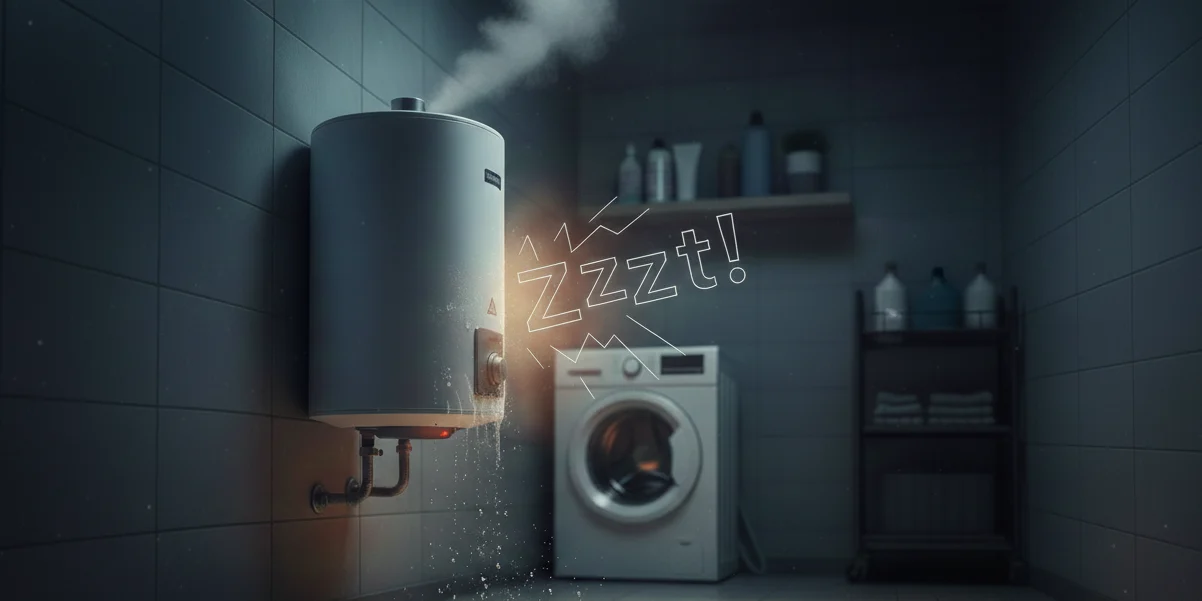
Hearing your geyser making noise whether it's a soft hiss or a loud bang is a clear indication that the internal system requires attention. These unusual sounds are rarely harmless and often point to issues such as hard-water mineral deposits or problems with water pressure regulation. Understanding the distinct sound your electric geyser makes is the first step in diagnosing the problem, allowing you to take corrective action quickly and prevent potential damage to the heating element or the tank itself.
Quick Guide To Why Your Geyser is Making Noise?
Here is why your geyser might be making a sound: [1]
| Noise Type | Meaning (Common Cause) | Urgency |
|---|---|---|
| Rumbling / Popping | Sediment buildup on the heating element. | High (Causes element failure) |
| Hissing / Sizzling | Minor internal leak or condensation dripping onto the hot element. | Moderate (Requires inspection) |
| Whistling / Screeching | Restricted water flow, often a partially closed valve. | Moderate (Indicates pressure issue) |
| Banging / Knocking | Water hammer (pressure spike) or pipes knocking against the wall. | Moderate (Requires mechanical fix) |
| Ticking / Clicking | Thermal expansion of the tank or pipes. | Low (Usually normal) |
Types of Noise Your Geyser May Make
Learning to differentiate the specific sounds produced by a malfunctioning unit is important for effective troubleshooting, helping you distinguish between a simple pressure issue and a serious internal problem. [2]
- Rumbling or Popping: This sound is caused by limescale. It is small pockets of water getting trapped beneath the hard mineral crust on the heating element. As the element superheats the water, the bubbles burst, producing a deep rumbling or popping sound.
- Hissing or Sizzling: When your geyser makes a hissing sound, it usually indicates that water is dripping onto a hot surface, possibly the heating element itself. This could be due to condensation or, more seriously, a minor internal leak in a pipe or a gasket seal.
- Whistling or Screeching: This high-pitched noise occurs when water flow is severely restricted, such as a partially closed inlet or outlet valve, or a fault in the temperature-pressure relief (T&P) safety valve.
- Banging or Hammering: A loud geyser making a knocking noise is usually due to "water hammer." This happens when the water flow is abruptly stopped (e.g., closing a tap quickly), causing the water pressure to spike and the pipes to knock against the wall or each other.
- Ticking or Clicking: This noise, usually rhythmic, is often harmless thermal expansion. It is the sound of the geyser tank or pipes expanding slightly as they heat up and contracting as they cool down.
Common Reasons Why Your Geyser Is Making Noise (With Fixes)
Addressing the underlying cause of the noise is the only way to permanently silence your geyser and prevent further damage, particularly to the heating element. [3]
- Sediment Buildup (Rumbling/Popping): In hard-water areas, mineral deposits reduce heater efficiency and can cause noise. Drain and clean the tank annually or biannually; regular descaling may be needed.
- Water Hammer (Banging/Knocking): High water pressure or sudden valve closure can cause water hammer, or shockwaves, in pipes. Open all valves; if problems persist, call a plumber and consider installing a water hammer arrestor.
- Restricted Flow (Whistling/Screeching): The noise suggests incorrect water flow. Fully open inlet and outlet valves. If noise persists from the T&P relief valve, it may be faulty or the water pressure is too high, requiring replacement.
- Internal Leakage (Hissing/Sizzling): A hissing or sizzling sound without hot water may mean a small leak on the hot element. Check for leaks first; if none, call a professional to inspect seals and connections.
Noise Type vs Cause: Quick Comparison Chart
This chart allows you to quickly troubleshoot why your geyser makes loud noise or smaller sounds by directly comparing the auditory symptom to the most probable internal cause. [4]
- Rumbling/Popping: Caused by mineral and limescale buildup on the heating element, common in older units or hard water areas.
- Hissing/Sizzling: Indicates condensation or a minor water leak onto a hot internal surface, potentially signalling compromised insulation or seals.
- Whistling/Screeching: Almost always caused by a pressure issue, such as a partially blocked pipe or a restricted, faulty temperature-pressure relief valve.
- Banging/Knocking: The result of "water hammer"—an abrupt pressure fluctuation in the supply pipes when a tap is turned off suddenly.
- Ticking/Clicking: Usually harmless—it is the normal sound of the metal tank and pipe fittings expanding and contracting due to heat changes.
5 Prevention Tips to Stop Geyser Noise Permanently
Preventative care is the most reliable way to silence your geyser-making sound and extend its lifespan beyond a faulty water heater coil. [1]
- Flush the Tank Annually: Schedule annual maintenance to drain and flush the geyser tank, effectively removing limescale and sediment that cause rumbling and popping noises.
- Install a Water Softener: In areas with hard water, installing a water softener can drastically reduce mineral buildup that damages the heating element and causes noise.
- Check and Fully Open Valves: Ensure that all inlet, outlet, and supply valves connected to the geyser are always fully open to prevent whistling noises caused by flow restriction.
- Install a Water Hammer Arrestor: If you hear persistent banging or knocking, have a plumber install a water hammer arrestor near the unit to absorb sudden pressure spikes.
- Schedule Professional Service: Arrange regular geyser service to have a technician inspect the electrical components, plumbing connections, and the anode rod (which protects the tank).
When Should You Call a Technician?
While simple troubleshooting can address external leaks or valve issues, any sign of severe electrical or internal pressure problems should prompt an immediate call to a professional.
- Loud, Persistent Noise: If your geyser is excessively loud and persists after basic maintenance.
- Leaking Water or Rust: Any water leakage from the tank body, or discoloured/rusty water from the tap, signals tank corrosion that requires immediate replacement.
- Electrical Faults: If the circuit breaker trips when the geyser is switched on, it indicates a short circuit in the wiring or the element.
- PRV Malfunction: If the temperature-pressure relief valve is constantly dripping, whistling, or making a high-pitched noise, it signals dangerous internal pressure that an expert must address.
Frequently Asked Questions
Why is my geyser making a sound like it's boiling?
What causes a whistling sound in a geyser?
Does water hammer damage the geyser?
How do I stop the geyser from making noise caused by hard water?
Is a ticking noise from the geyser always a serious problem?

Login / Sign up
Zero Brokerage.
Thousands of new listings daily.
100 Cr+ Brokerage saved monthly.
About the Author

priyanka.saha
Senior Editor


Recent Blogs

Subscribe to our Newsletter
Get latest news delivered straight to your inbox