What Is Tenant Identity Verification: Methods, Documents & Step-by-Step Process


199 Views
Table of Contents
Tenant identity verification is the process of confirming a tenant's identity using government-issued documents such as Aadhaar or Passports. It is a mandatory legal requirement in many Indian cities, under Section 188 of the IPC, to prevent criminal activity and ensure traceability of residents. Landlords can complete this through online police portals or by visiting a physical police station, typically requiring identity proof, photographs, and a registered rent agreement to establish a safe tenancy.
What Is Tenant Identity Verification?
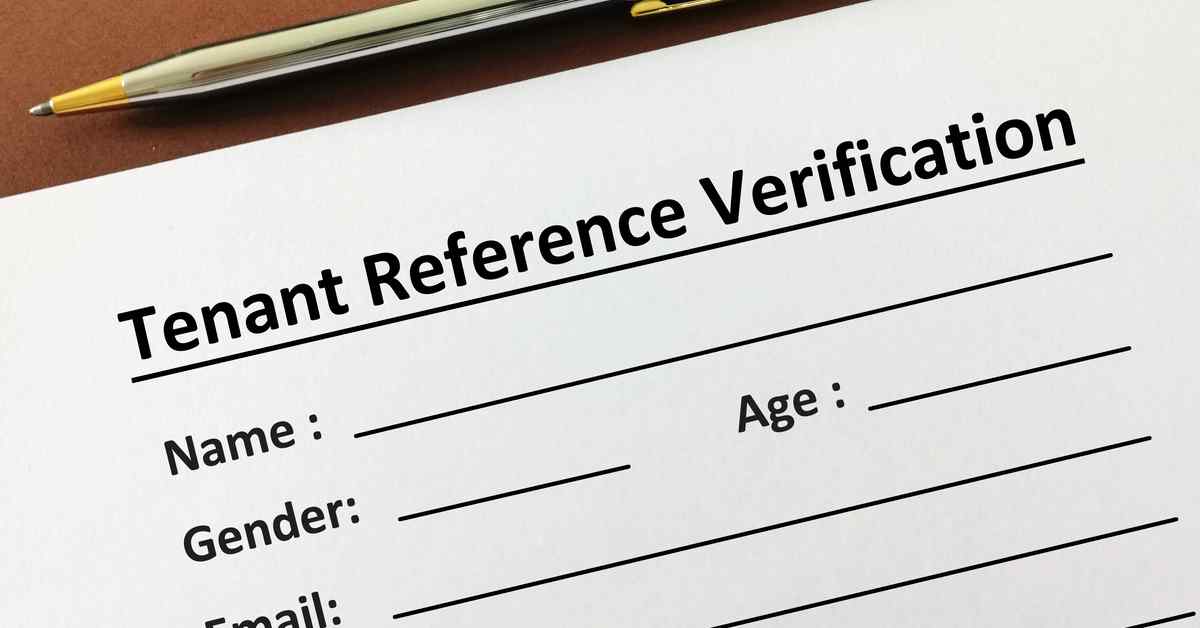
The process of tenant identity verification, often referred to as tenant ID verification, is the specific practice of authenticating a tenant’s personal identity using official, government-issued documents. This typically involves collecting and cross-referencing documents such as an Aadhaar card, PAN card, passport, or driving licence. The primary goal is to ensure that the person signing the lease is exactly who they claim to be and that they have a traceable permanent residence. By validating these credentials, a landlord creates a transparent record that is essential for legal compliance and accountability throughout the rental agreement.
How Tenant Identity Verification Differs From Tenant Verification
While the terms are often used interchangeably, there is a distinct difference between the two. Tenant identity verification focuses strictly on the "Know Your Customer" (KYC) aspect, confirming that the identification documents provided are authentic. On the other hand, tenant verification is a much broader process. It encompasses identity checks and background screening, such as evaluating criminal records through police databases, verifying current employment status, and checking references from previous landlords. Essentially, identity verification is the foundational step that enables the more comprehensive background check to proceed.
Recommended Reading

Delhi Police Tenant Verification: Everyt...
92.5K Views

Tenant Police Verification Process in In...
45.8K Views
Tenant Police Verification Mumbai: Onlin...
43.1K Views

Noida Tenant Police Verification Procedu...
43K Views

Tenant Police Verification Pune: Online ...
30.9K Views
Why Tenant Identity Verification Is Important
In the Indian context, conducting a thorough tenant identity verification is not just a safety preference; it is an essential part of risk management and legal duty.
- Prevents identity fraud: It ensures that individuals cannot use forged or stolen documents to rent property, a common tactic used by fraudsters.
- Ensures safety of property and neighborhood: Screening helps deter individuals with criminal intentions from entering a residential community.
- Helps trace tenants in case of disputes: Having a verified permanent address makes it easier to serve legal notices if a tenant defaults on rent or causes property damage.
- Supports legal compliance: It fulfills the landlord's duty to know who is occupying their premises, which is often required by housing societies and local laws.
- Builds trust between landlord and tenant: A transparent verification process sets a professional tone for the rental relationship from day one.
Methods of Tenant Identity Verification
Advancements in technology have made tenant identity verification more efficient, allowing landlords to choose from a range of reliable methods in 2026.
- Government-issued ID verification: The most standard method involves physically inspecting or digitally verifying IDs such as Aadhaar cards, PAN cards, or passports.
- Address verification: This involves checking utility bills or bank statements to confirm the tenant’s permanent residency outside of the rental property.
- Digital KYC verification: Many platforms now allow instant e-KYC using Aadhaar-linked OTPs to verify demographic details in real time.
- Face verification or biometric checks: In some high-security rental agreements, biometric data or live photo matching is used to ensure the person present matches the ID provided.
Documents Required for Tenant Identity Verification
To perform a successful landlord identity check on a tenant, you must collect a specific set of official documents. These are necessary for filing tenant police verification forms and maintaining a legal paper trail.
- Government issued doc like Aadhaar card, PAN Card, Passport or driving licence
- Address proof: If the ID does not have a current address, documents like utility bills (electricity/water) or a voter ID card are required.
- Passport-size photographs
Tenant Identity Verification Process
Following a structured tenant verification workflow ensures that no important steps are missed when screening a new occupant.
Collect Identity Documents
The first step is to obtain clear, original-scanned copies of valid government-issued IDs from the tenant. It is advisable to see the physical originals to check for any obvious signs of tampering or forgery before accepting the photocopies.
Verify Authenticity
Once you have the copies, cross-check the details against the original documents. You can use tools like the mAadhaar app to scan the secure QR code on the Aadhaar card, which verifies the data's authenticity without relying on a printed copy.
Match Address Details
It is important to ensure the tenant’s current and permanent addresses are verified. If the tenant is from a different city, confirming their permanent address with a secondary document, such as a parent's utility bill, adds an extra layer of security.
Perform Digital or Manual Verification
Depending on your city, use the official state police portal or a dedicated mobile app to submit the tenant's details. This step formally registers the tenant with the local authorities and initiates a criminal background check.
Maintain Records
After the process is complete, keep digital and physical copies of all IDs and the police acknowledgment receipt. These records are important for future reference, insurance claims, or legal disputes with the tenant.
Common Challenges in Tenant Identity Verification
Even with the best intentions, landlords often face hurdles in accurately completing tenant identity verification.
- Fake or forged documents: Sophisticated editing tools can create high-quality fake IDs that are difficult to detect without digital verification tools.
- Mismatched address details: Tenants may have an old address on their ID, making it hard to establish their current permanent residence for legal tracing.
- Lack of proper documentation: Some prospective tenants, such as students or those from remote areas, may not have all the required updated documents ready.
- Difficulty verifying remote tenants: When a tenant is moving from another state, manually checking their permanent background can be time-consuming and complex.
Best Practices for Landlords
Adopting these best practices for tenant identity verification will help you minimize risks and ensure a smooth rental experience in 2026.
- Always verify original documents: Never rely solely on photocopies sent via messaging apps; always ask to see the physical original ID during the interview.
- Combine identity check with background verification: Confirming who someone is should always be followed by checking their past conduct and employment stability.
- Keep proper documentation: Store all verification receipts and ID copies securely to comply with data privacy laws and protect your interests.
How NoBroker Can Help With Tenant Verification
Navigating the complexities of legal compliance and background screening can be overwhelming for many property owners. NoBroker provides comprehensive tenant verification services. Our platform connects you with verified professionals and uses advanced digital tools to authenticate tenant IDs, scan criminal databases, and verify employment history. By choosing a professional service, you can complete the mandatory police registration process without the hassle of visiting stations or navigating complex government websites.
Frequently Asked Questions
Is tenant identity verification mandatory?
What documents are required for identity verification?
Can identity verification be done online?
What is the difference between identity verification and background check?
Why should tenants verify landlord identity?
What are the penalties for skipping verification?
How long does the police verification process take?
About the Author

brunda
Senior Editor


Recent Blogs
Subscribe to our Newsletter
Get latest news delivered straight to your inbox