Background Verification vs Reference Check: Meaning, Key Differences & Red Flags

15 Views
Table of Contents
Choosing the right person to occupy a rental property is one of the most important decisions a property owner must make. To ensure asset protection and steady rental income, landlords rely on structured screening methods to evaluate an applicant's financial and personal profile. Understanding the distinct differences between a background verification vs reference check allows property owners to create a comprehensive screening process that reduces risk and prevents future legal disputes.
What Is Background Verification?
Background verification is a comprehensive tenant screening process used to verify a prospective tenant's identity, address, employment details, criminal history, and other relevant information before approving a rental application. This verification helps landlords validate the accuracy of information provided by applicants, assess potential risks associated with tenancy, and identify any legal or financial concerns.
What is a Tenant Reference Check?
A tenant reference check is the process of collecting feedback from individuals who have previously interacted with a rental applicant, particularly former landlords and employers. Unlike background verification, which focuses on factual records, tenant referencing provides insights into a person's behaviour and reliability. It helps landlords evaluate rental behaviour, payment habits, property maintenance practices, and overall dependability.
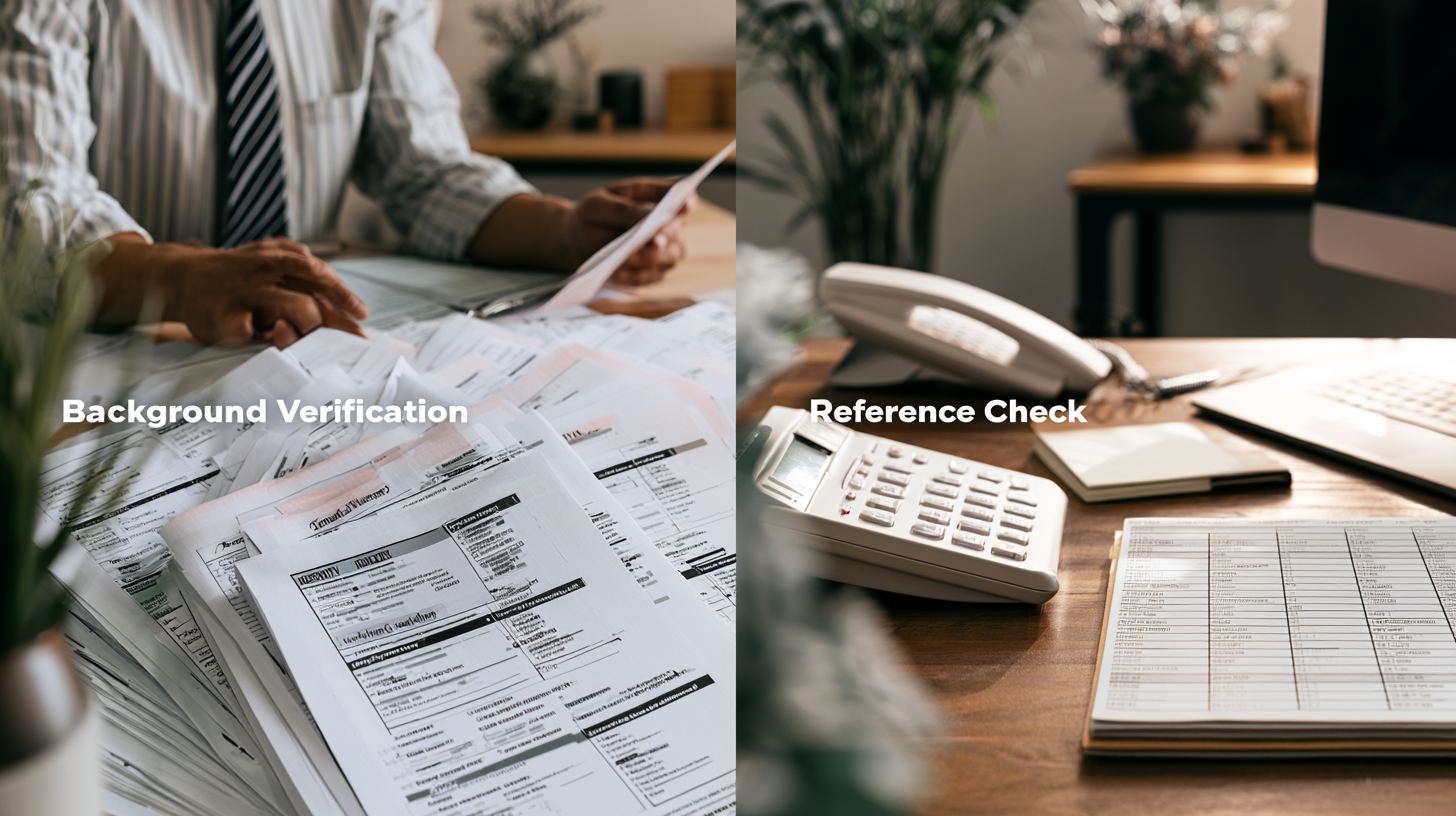
Background Verification vs Reference Check
Landlords utilise both methods to build a complete profile of a prospective tenant.
| Feature | Background Verification | Reference Check |
|---|---|---|
| Purpose | Validate legal identity, financial solvency, and public safety records. | Assess day-to-day habits, character traits, and general reliability. |
| Information Verified | Government IDs, income statements, credit scores, and criminal history. | Rental punctuality, property care, community conduct, and job status. |
| Source of Information | Official government databases, credit bureaus, and police portals. | Previous landlords, corporate employers, and personal contacts. |
| Verification Method | Document matching, API database screening, and formal filing. | Informal telephone calls, structured emails, or written questionnaires. |
| Scope | Quantitative, fact-based data that cannot be easily altered. | Qualitative, experiential insights based on past personal interactions. |
| Fraud Detection Ability | High; catches forged documents and false identities immediately. | Medium; prone to bias if the applicant provides fake contacts. |
| Reliability | Highly accurate data that fulfils local state regulations. | Dependent on the honesty and objectivity of the chosen reference. |
| Role in Tenant Screening | Functions as the mandatory, primary legal and financial shield. | Functions as the final, voluntary filter for community fit. |
Why Landlords Need Both Background Verification and Reference Checks
Relying on just one screening method creates a dangerous blind spot for a property owner. A comprehensive tenant screening process requires a combination of both data and human feedback to ensure peace of mind.
- One Verifies Facts; the Other Provides Context: A background check verifies an applicant is legally and financially safe, while a reference check verifies they are socially responsible and manageable.
- Helps Identify Inconsistencies: If a background check shows a short tenancy but the applicant claims long-term residency, a call to the past landlord exposes the truth.
- Improves Tenant Risk Assessment: Minor civil disputes or rental defaults often never reach a courtroom database, meaning direct feedback is the only way to uncover a history of property neglect.
- Reduces Chances of Rental Fraud: Running digital database checks helps prevent identity theft, while calling the listed employer ensures the applicant actually works at the firm and has not simply fabricated a professional corporate profile online.
- Creates a More Complete Tenant Profile: Merging hard financial proof with behavioural data helps landlords select individuals who respect property rules, maintain local cleanliness, and safeguard the long-term value of the real estate asset.
What Does Tenant Background Verification Include?
A comprehensive background screening goes beyond checking a single piece of paper. It involves examining multiple official sources to verify an applicant's full legal and financial standing before handing over the property keys.
Identity Verification
This initial step confirms that the rental applicant is who they claim to be, eliminating the risk of fraud. Landlords collect and verify government-issued IDs using secure digital platforms to ensure the provided details match official registration records.
Address Verification
This component involves validating the applicant's current and permanent address histories. Confirming these geographic details establishes legal traceability, which is important if a tenant leaves the property abruptly or defaults on payments.
Employment Verification
This check involves confirming income and active employment status with the listed employer. Property owners review recent salary slips and bank statements to ensure steady cash flow, protecting monthly rental income from the risk of sudden defaults.
Criminal Record Checks
This step involves screening for reportable criminal history through official law enforcement channels, where legally permitted. Completing a tenant police verification satisfies local regulations and protects the surrounding neighbourhood from illicit activities.
Document Verification
This process involves cross-checking information provided by the applicant against official databases. Verifying tax filings, registration parameters, and credit bureau reports ensures that all physical or digital documents submitted during the application process are genuine.
What to Ask During a Tenant Reference Check
To get honest, objective answers from a reference, property owners must ask direct and specific questions. This prevents the contact from giving vague praise and forces them to discuss concrete historical facts.
Rental Payment History
Property owners should ask the previous landlord: "Did the tenant pay rent on time every single month, or were there frequent delays?" This uncovers financial discipline and reveals whether the household faced chronic payment excuses.
Property Maintenance
It is essential to ask: "Did the tenant take care of the property, or did they cause structural damage?" Understanding how they treated their last home indicates whether you will face expensive repair bills at the end of the tenancy.
Behaviour and Conduct
Landlords should inquire: "Were there any complaints or disputes raised by neighbours or the management committee?" This question reveals whether the applicant's lifestyle aligns with community rules or causes public disturbances.
Length of Occupancy
Verifying the timeline is essential: "How long did the tenant stay at your property?" Matching the landlord's answer with the application form ensures the applicant is honest about their residential history and overall stability.
Reason for Moving Out
Property owners must ask: "Why did the tenancy end?" Learning whether the individual left voluntarily after proper notice or was quietly asked to vacate due to misconduct helps landlords conduct an accurate tenant reference check.
Common Red Flags Found During Background Verification
Recognising warning signs during the initial screening phase protects your property investment from high-risk situations. Landlords should look out for these specific database red flags:
- Identity Mismatches: Different name spellings, mismatched birth dates, or conflicting details across government databases usually indicate identity fraud.
- Fake Documents: Utilising digital editing tools to fabricate income statements, inflate salary figures, or alter transaction lines to meet financial selection criteria.
- Unverified Employment: Listing a company that possesses zero digital footprint, lacks a valid corporate domain, or is missing from business registries.
- Address Discrepancies: Unexplained gaps or hidden timelines in residential history, which conceal a prior eviction or a major dispute with a previous landlord.
- Incomplete Application Details: Intentionally omitting previous residential addresses or refusing to provide the documents required to submit mandatory verification forms.
Common Red Flags Found During Reference Checks
Human feedback often reveals subtle risks that database records fail to capture. Landlords must watch for these behavioural warning signs during phone conversations:
- History of Late Rent Payments: Former landlords indicate a consistent pattern of payment delays, unfulfilled promises, or outstanding utility bills left unpaid at checkout.
- Property Damage Complaints: Reports of severe hygiene neglect, broken interior appliances, or a refusal to pay for damages caused during the tenancy.
- Frequent Disputes with Landlords: A history of arguing over standard safety guidelines, ignoring lease terms, or acting aggressively toward building staff and security guards.
- Inconsistent Information from References: Discovery that the contact is a friend pretending to be a landlord, easily spotted when they stumble over basic property details or local cross-streets.
- Negative Recommendations: A previous property owner stated they would not rent to the individual again, which serves as an immediate disqualification sign.
Which Is More Important for Tenant Verification?
Neither screening method should replace the other in a professional rental setup. A formal background verification confirms factual information and satisfies legal mandates, while reference checks provide essential behavioural insights into daily lifestyle habits. The most effective tenant screening process combines both methods to thoroughly evaluate financial, personal, and rental reliability. Property owners should treat background verification as the non-negotiable foundation to filter out severe risks, and use reference checks as the final filter to ensure a peaceful community environment.
Best Practices for Landlords Conducting Tenant Verification
Implementing a structured screening process protects your rental asset and ensures full compliance with local city laws. Landlords should follow these key steps to verify their tenant's safety:
- Verify Identity Before Checking References: Run automated document checks across digital databases first to filter out fraudulent applications before investing time in phone calls.
- Contact Multiple References When Possible: Speak to both past landlords and current workplace managers to build a reliable, balanced profile of the applicant's habits.
- Document All Verification Findings: Maintain written records of database approvals, police filing receipts, and detailed notes from telephone reference conversations for future protection.
- Use Consistent Screening Criteria: Apply identical income thresholds, credit score benchmarks, and reference requirements to every single applicant to ensure fairness.
- Combine Reference Checks with Background Screening: Never skip the official background check just because an applicant sounds polite, as both data and human feedback are required for a secure decision.
How NoBroker Can Help With Tenant Verification
Managing property rentals requires balancing legal rules with thorough tenant vetting. NoBroker helps landlords conduct tenant verification, including background screening, identity verification, address checks, and reference checks, to make safer rental decisions. Our digital platform streamlines the process by validating government identification cards, scanning public litigation registries, and executing structured reference tracking on your behalf. This efficient system saves property owners from tedious paperwork while ensuring full compliance with local municipal safety regulations. Partnering with NoBroker allows landlords to secure reliable tenants, protect their monthly cash flow, and maintain long-term property value with minimal stress.
Frequently Asked Questions
What is the difference between background verification and reference checks?
What is tenant referencing?
Can reference checks replace background verification?
What questions should landlords ask previous landlords?
How long does tenant background verification take?
About the Author

brunda
Senior Editor


Recent Blogs

Subscribe to our Newsletter
Get latest news delivered straight to your inbox