





- https://ociservices.gov.in/onlineOCI/
- https://www.mha.gov.in/PDF_Other/FAQ-%20OCI_25042017.pdf
- https://www.cgisf.gov.in/page/how-to-apply-for-oci/
- https://www.mea.gov.in/Portal/CountryNews/12208_OCI_Card_Advisory_.pdf
Summary
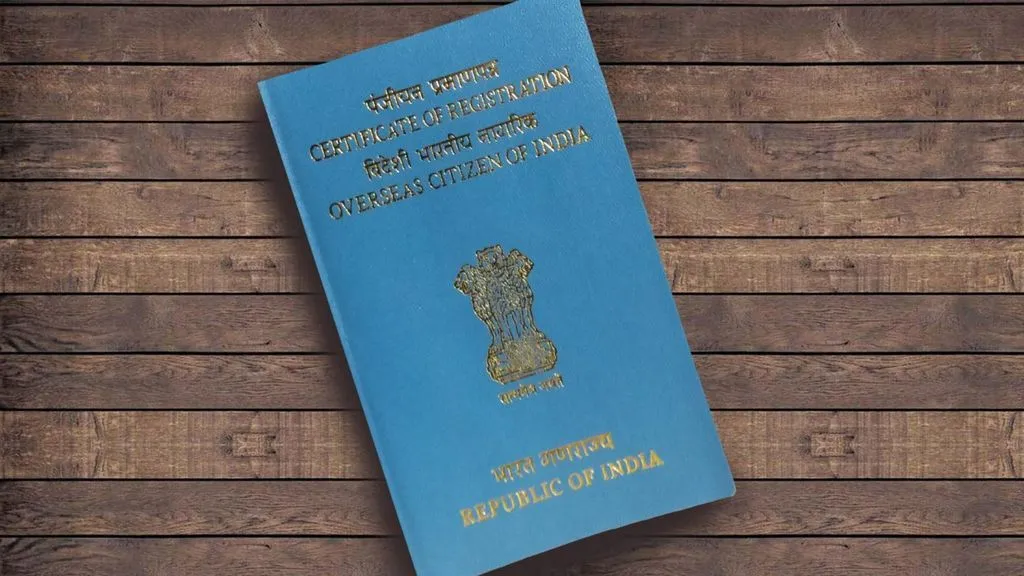
OCI (Overseas Citizen of India) status gives foreign nationals of Indian origin long-term residency rights, visa-free travel, and the ability to live, study, and work in India without giving up their current citizenship. The process involves meeting eligibility criteria, submitting documents, and following renewal rules. OCI holders enjoy multiple-entry travel, no FRRO reporting, and easier access to education and property. However, they cannot vote, hold government jobs, or purchase agricultural land.
Many NRIs search “What is OCI?” to understand how they can stay connected to India while living abroad. Overseas Citizen of India (OCI) status offers long-term residency benefits, including visa-free entry, permission to live and work in India, and easier access to property and education. It is especially useful for families settled overseas or children born abroad. Knowing about OCI helps NRIs plan travel and maintain their roots in India confidently. [1]
Who Is Eligible for OCI?
People often review eligibility rules to understand who can apply and check OCI status later during the process. You can also read the difference between NRI, PIO, and OCI to understand eligibility categories. Here are the primary categories covered under the OCI framework. [2]
- Former Indian citizens: Individuals who once held Indian citizenship and later acquired a foreign nationality can apply if they meet the conditions of the OCI scheme.
- Children of Indian-origin parents: Kids with one or both parents of Indian origin qualify, provided their parents meet the required legal and historical documentation criteria.
- Spouses of Indian citizens/OCI cardholders: Foreign spouses married to Indian citizens or OCI cardholders for a legally valid, continuous period can apply under specific marriage and verification guidelines.
- Minor children of Indian citizens: Children whose parents currently hold Indian citizenship can apply through a simpler documentation process aligned with standard OCI rules.
Types of OCI Services
Applicants often explore different service categories while checking their OCI status, especially when updating documents or applying for the first time. These services help foreign nationals of Indian origin manage their OCI requirements smoothly and in accordance with official rules. [3]
OCI Fresh Application
This service is for eligible individuals applying for OCI for the first time. It includes submitting proof of Indian origin, passport details, and supporting documents. The process also covers biometric collection for certain age groups and results in the issuance of a lifelong OCI card with key rights and privileges.
OCI Renewal/OCI Reissue (after 20/50 years)
Renewal or reissue is required when an OCI cardholder receives a new passport after major age milestones, typically at 20 and 50 years. This ensures updated records, accurate identity verification, and smooth travel in and out of India without complications at immigration checkpoints.
OCI Miscellaneous Services
These services support updates or corrections, including changes to personal details, address updates, or replacement of a lost or damaged card. They help maintain the accuracy and security of the cardholder’s documentation, ensuring their OCI identity remains valid and recognized during travel or official processes.
OCI for Spouses
This category applies to foreign spouses of Indian citizens or current OCI cardholders. It requires proof of a legally recognised marriage of at least two years, along with identity and background documents. Approval provides long-term residency and travel benefits linked to the spouse’s Indian origin.
OCI Application Requirements
Applicants review key documentation early to ensure a smooth submission process and avoid delays during verification. These requirements help authorities confirm identity, eligibility, and background before approving an OCI card.
- OCI application form: The online form must be completed accurately, including personal details, family information, and supporting data that match all uploaded documents.
- Passport copy: A clear, valid passport copy is required, showing the photo page and essential identity details to verify nationality and eligibility.
- Proof of Indian origin (passport, birth certificate, etc.): Applicants must provide evidence of Indian heritage, such as past passports, birth records, or official documents.
- Photos and signatures: Recent passport-size photographs and digital signatures.
- Supporting documents: Additional papers, such as marriage certificates or parent documents, may be required depending on the applicant’s category.
How to Apply for an OCI Card?
People follow a simple online process to complete their application and later check their OCI status for updates. The steps below outline how applicants move from registration to final approval without delays.[4]
- Step 1: Go to the official OCI services website to begin the application process and review updated guidelines for eligibility and documentation.
- Step 2: Select the “Fresh Application” option and enter your personal details, passport information, and family data as required by the official form.
- Step 3: Scan and upload your passport copy, proof of Indian origin, photos, signatures, and any additional documents needed for your eligibility category.
- Step 4: Complete the payment using the available online methods. The fee amount varies slightly based on the applicant’s country of submission.
- Step 5: After online submission, send the physical documents (if required) to the respective Indian Mission, Consulate, or FRRO for further processing.
- Step 6:Authorities verify documents, complete background checks, and approve the application. Once processed, the OCI card is issued and ready for collection.
OCI Card Validity and Renewal Rules
Understanding OCI card validity helps applicants plan travel, update documentation, and track OCI status with confidence. These rules guide holders through renewals, optional updates, and mandatory reissues so their residency and travel rights remain smooth, secure, and compliant with the government. [4]
- Valid for life once issued: The OCI card remains valid for the holder’s lifetime, providing uninterrupted residency and travel benefits, with no need for repeated applications once issued under current government rules and policies nationwide.
- Renewal required when a minor's passport changes: Minors must renew their OCI whenever they receive a new passport, ensuring updated identity records; this keeps documentation aligned with age changes and prevents issues during verification at immigration checkpoints.
- Optional updates after age 20 and 50: After turning 20 and again at 50, OCI holders may choose to update their card details, enabling smoother processing during travel while keeping personal records current and accurate across government.
- Mandatory reissue in some cases: Certain situations require mandatory reissue, including major data changes, damaged cards, or compliance updates, ensuring every OCI holder’s identification stays correct, accessible, and fully valid for official travel and residency.
Benefits of OCI Card
Many applicants explore key advantages as they check the status of their OCI application, because the card offers long-term convenience, easier travel, and stronger personal ties to India. These benefits simplify life for foreign nationals of Indian origin across multiple situations.
- Lifelong visa-free entry to India: OCI holders enjoy permanent, hassle-free access to India without applying for visas, making travel simple for family visits, long stays, professional trips, and cultural connections throughout their lifetime.
- No FRRO registration: The OCI card removes the need for repeated FRRO appointments, giving holders freedom to stay in India without periodic reporting or local police verification, making long-term stays far more convenient.
- Multiple-entry, multi-purpose visits: OCI status allows unlimited entries and flexible travel for business, education, family reasons, and leisure, supporting seamless movement between India and the holder’s resident country without bureaucratic delays.
- Parity with NRIs in education, property (non-agricultural), and banking: Holders can access NRI-level benefits such as admission quotas, fee categories, property purchases (excluding agricultural land), and smoother banking services, strengthening financial and educational opportunities.
- Simplified residency rights: OCI cardholders can live in India indefinitely without additional permits, enabling long-term settlement, employment, and daily life activities without complex immigration procedures or temporary permissions.
Limitations of OCI Status
OCI offers long-term residency benefits, but it is not dual citizenship. Holders must comply with certain restrictions that define their legal rights in India, especially in areas such as governance, property, and political participation.
- No voting rights: OCI cardholders cannot vote in Indian elections at any level because political participation is reserved exclusively for Indian citizens under established constitutional provisions.
- Cannot hold government jobs: Government posts, civil services, and defence positions are limited to Indian citizens, meaning OCI holders cannot work in these roles even if they reside in India long-term.
- Cannot buy agricultural land: OCI status does not permit purchasing agricultural land, farmhouses, or plantation properties, maintaining restrictions on non-citizens' land and rural asset ownership.
- No political rights: OCI cardholders cannot contest elections, hold political office, or participate in legislative roles, as these rights remain strictly for citizens of India.
How NoBroker Helps With NRI Services?
Many non-resident Indians seek reliable support with property-related tasks, rental management, and documentation, especially when checking or tracking their OCI status during applications. NoBroker offers dedicated NRI services and helps manage property inspections, tenant verification, rent collection, legal paperwork, and assisted documentation for renting, buying, or selling property. With a structured approach, NoBroker makes remote property and documentation management easier and less stressful for NRIs.
Frequently Asked Questions
How can I check my OCI status online?
You can check your OCI status online through the official OCI Services Portal by entering your File Reference Number and passport details. The system displays real-time updates for each processing stage.
What details do I need to track my OCI?
Tracking your OCI requires your File Reference Number, passport number, and date of birth. These details help the portal identify your application and show the latest progress and verification stage.
Why is my OCI status not updating?
OCI status may not update due to delays in document verification, high application volume, pending security checks, or data mismatches. Updates usually appear after the authorities complete each stage.
How long does the OCI process take?
The OCI process typically takes 6 to 12 weeks, depending on verification speed, embassy workload, and document accuracy. Delays may occur if officials require additional checks or clarifications.
Can I track OCI status without a File Reference Number?
Tracking without a File Reference Number is limited, but some missions allow passport-based tracking. However, the File Reference Number remains the most reliable way to view your application status.