





- https://www.indiacode.nic.in/bitstream/123456789/1988/1/A1999_42.pdf
- https://www.rbi.org.in/upload/ecm/pdfs/chapter3.pdf
- https://incometaxindia.gov.in/pages/acts/foreign-exchange-management-act.aspx
- https://www.rbi.org.in/commonperson/English/Scripts/FAQs.aspx?Id=1834
- https://www.rbi.org.in/commonman/english/scripts/Notification.aspx?Id=855
Summary
Inward remittance refers to money received in India from overseas sources. Inward remittance meaning includes personal, business, NRIs and salary transfers sent through banks or digital channels. These transactions are regulated by the Foreign Exchange Management Act (FEMA), introduced in 1999, which ensures the legal and transparent movement of funds. RBI monitors compliance for safety and accuracy. Inward remittances support families, strengthen India’s foreign exchange reserves, and help businesses receive international payments smoothly.
Inward remittance means receiving funds in India from a foreign sender, and inward remittance meaning explains how these transfers support global money flow. It covers types like personal, business, NRI, salary, and gift remittances. These are governed by FEMA 1999, a law that replaced FERA to regulate foreign exchange legally and transparently. Money arrives through SWIFT, bank transfers, or money transfer operators. Individuals and companies rely heavily on these funds, and inward remittance to India continues to boost economic stability, trade and family support.
What is Inward Remittance?
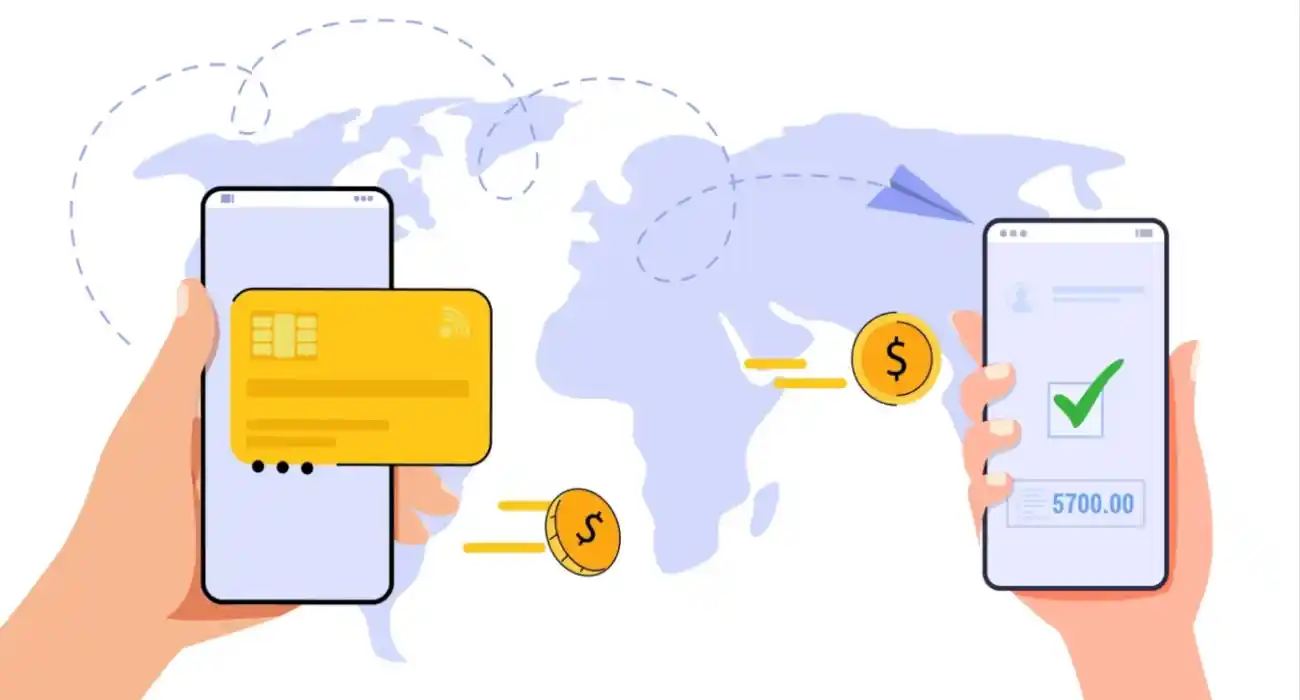
Inward remittance refers to money received in India from abroad. It is legally regulated under the Foreign Exchange Management Act (FEMA), introduced in 1999, which ensures safe, monitored, and transparent foreign fund transfers from individuals, businesses, and financial institutions.[1]
- It includes funds sent by NRIs, companies or individuals abroad, processed through secure banking channels and monitored under FEMA guidelines.
- These transfers support families, education, investments and international trade, helping India maintain stable foreign exchange reserves and economic balance.
- Various methods, such as SWIFT bank transfers, online money services, and authorised dealers, ensure smooth inward transactions, accuracy, and compliance with RBI rules. [2]
How NRIs Can Receive Inward Remittances in India?
NRIs can receive inward remittances in India through authorised banks and digital transfer systems, ensuring safe, quick and complaint transactions. These processes follow RBI guidelines and foreign inward remittance rules to maintain transparency and accuracy.
- NRIs can receive funds in NRE, NRO, or FCNR accounts, allowing smooth deposits for income savings or family support from abroad.
- Transfers through SWIFT, online remittance services, and authorised money operators ensure verified, secure fund movement into Indian bank accounts.
- Banks confirm sender details, purpose codes, and required documentation to process remittances smoothly while maintaining compliance with RBI and FEMA standards.
Types of Inward Remittances
Inward remittances are funds received in India from overseas sources. They support personal needs, business activities and NRI transactions and are processed through secure banking channels for safe international fund movement. Below are the three different types of inward remittances:
- Personal Remittances: Money sent by family or friends abroad for living expenses, education or medical needs often involving a foreign currency inward remittance.
- Business Remittances: Payments received from international clients for trade, services, or exports, ensuring smooth global business operations.
- Salary Remittances: Income transferred by NRIs or overseas employees directly to their Indian bank accounts for savings, investments or family support.
RBI Guidelines and FEMA Compliance for Inward Remittance
RBI & FEMA regulations ensure inward remittances are legally monitored, transparent and secure. These rules help banks verify sender details, the purpose of the transfer, and the documentation to ensure safe international money transfers. Below are a few points to understand things better:
- FEMA Section 6 governs foreign exchange transactions, ensuring that all inward transfers comply with legal standards. [3]
- RBII’s Master Direction mandates proper reporting, documentation, and inward remittance process flow for regulated fund movement.
- Banks must report large inward transfers under the LRS-linked monitoring system for transparency.
- Every remittance requires full KYC verification to confirm the sender's identity and prevent misuse.
- A valid purpose code must be provided to classify the reason for receiving foreign funds correctly.
Tax Implications of Inward Remittance for NRIs
The tax on inward remittances depends on whether the income is earned abroad or generated in India. Proper documentation and classification help NRIs avoid unnecessary tax deductions.
- Money earned outside India and transferred to India is not taxable, as NRIs' foreign income is exempt.
- Income earned in India, such as rent, interest, and business profits, is taxable under Indian income tax rules.
- Banks require a purpose code for foreign inward remittance to classify income and determine tax treatment correctly.
- Large or frequent transfers must match the NRI’s declared income to avoid compliance issues.
- NRO account deposits may attract TDS, which can later be claimed as refund if applicable.
Inward vs Outward Remittance
Inward remittance refers to money received in India from abroad, while outward remittance involves sending money overseas. The outward foreign remittance meaning highlights funds transfers leaving India for education, investment or personal payments under RBI regulations. The table below will help to understand:
| Features | Inward Remittance | Outward Remittance |
| Definition | Money received in India from a foreign source | Money sent from India to a foreign destination |
| Regulation | Governed by FEMA & RBI reporting guidelines | Governed under the RBI’s Liberalised Remittance Scheme (LRS). [4] |
| Account Type | Usually credited to NRE, NRO, or resident accounts. | Sent from resident or NRO accounts to foreign accounts. |
| Purpose | Family support, business payments, and NRI income transfers. | Education, travel, investments, medical expenses, or family support. |
| Tax Impact | Depends on whether the income is earned in India or abroad. | Subject to the TCS above-specified remittance limits. |
Process of Inward Remittance
Inward remittance is the process of receiving money from a foreign sender into a domestic account. Here’s a process of inward remittance:
Sender’s Side
- Initiation: The sender decides to send money to a recipient in another country.
- Choose a Remittance Service: The sender selects a suitable method, like a bank transfer, money transfer service or online platform.
- Providing Details: The sender provides correct information about the recipient, including name, bank account number, and address.
- Funding the Transfer: The sender pays the transfer amount, often through a bank account, debit card, or cash.
- Confirmation: The remittance service provides a confirmation or reference number for tracking the transfer.
Receivers Side
- Notification: The recipient receives a confirmation of the incoming remittance, typically via SMS or email.
- Receiving the Funds: The money is transferred to the recipient’s bank account or made available for cash pickup.
- Foreign Inward Remittance Certificate (FIRC): The recipient’s bank issues an FIRC, which is an essential document serving as proof of the inward remittance. The document contains details about the sender, recipient, amount, and transaction date.
Benefits of Inward Remittance
Inward remittance has many important benefits to both individuals and the economy. Here are the benefits of inward remittance:
- Financial Support: Money sent from abroad helps families pay for daily needs, education, healthcare, and other essential expenses.
- Investment Opportunities: Families can use the money to invest in businesses, real estate, or education, which can be helpful in the long run.
- Foreign Exchange Earnings: Inward remittances are a big source of foreign money, which helps a country’s reserves and stabilise the currency.
- Poverty Reduction: Regular money from abroad can help families out of poverty by giving them a steady income.
- Infrastructure Development: The government can use remittance inflows to fund infrastructure projects and improve public services.
Limits and Rules for Inward Remittance
Inward remittances into India are governed by FEMA & RBI guidelines to ensure safe, legal, and transparent money transfers. Limits, documentation and verification requirements help prevent misuse and ensure proper financial compliance.
- No fixed upper limit for genuine personal inward remittances received through authorised banking channels.
- All remittances must follow FEMA regulations and RBI reporting norms for transparency.
- Banks require valid KYC documents to verify the sender and receiver.
- Each remittance must include a correct purpose code for proper classification.
- Large or suspicious inward transfers may be subject to enhanced scrutiny under AML guidelines. [5]
NoBroker: Your Wise Investment Partner for Inward Remittance
Inward remittance meaning encapsulates the transfer of money from a foreign sender to a recipient within the country. NoBroker helps people use their inward remittances wisely by providing a one-stop platform for real estate services. With NoBroker, you can easily find and buy property. We help with checking properties, legal issues, and getting home loans. NoBroker’s trustworthy and transparent services turn remittances into valuable assets, helping develop the economy. Download the app today!
Frequently Asked Questions
What is foreign outward remittance?
Foreign outward remittance refers to sending money from one country to another. It’s when you send money from your home country to someone or something in a different country.
Who sends inward remittances?
People who live and work abroad often send inward remittances to their family and friends back home.
Is there any limit on inward remittances?
There might be a limit on how much money you can receive through inward remittances, depending on the country’s rules.
How long does it take to get inward remittance?
It usually takes a few days to get inward remittance, but it can sometimes take longer.
Are there any fees for inward remittances?
Yes, there are certain fees for inward remittances. The amount depends on the service you use.
Which account is best for receiving inward remittance - NRE or NRO?
NRE is ideal for foreign income, as it’s tax-free, while NRO is subject to tax on income earned in India.
Can I receive inward remittance without a PAN?
Yes, small remittances may be accepted without PAN, but larger transfers require PAN for tax compliance and proper verification.