Moving With Kids: A Complete Family Relocation Guide

Packers and Movers Tips

232 Views
Table of Contents
Summary
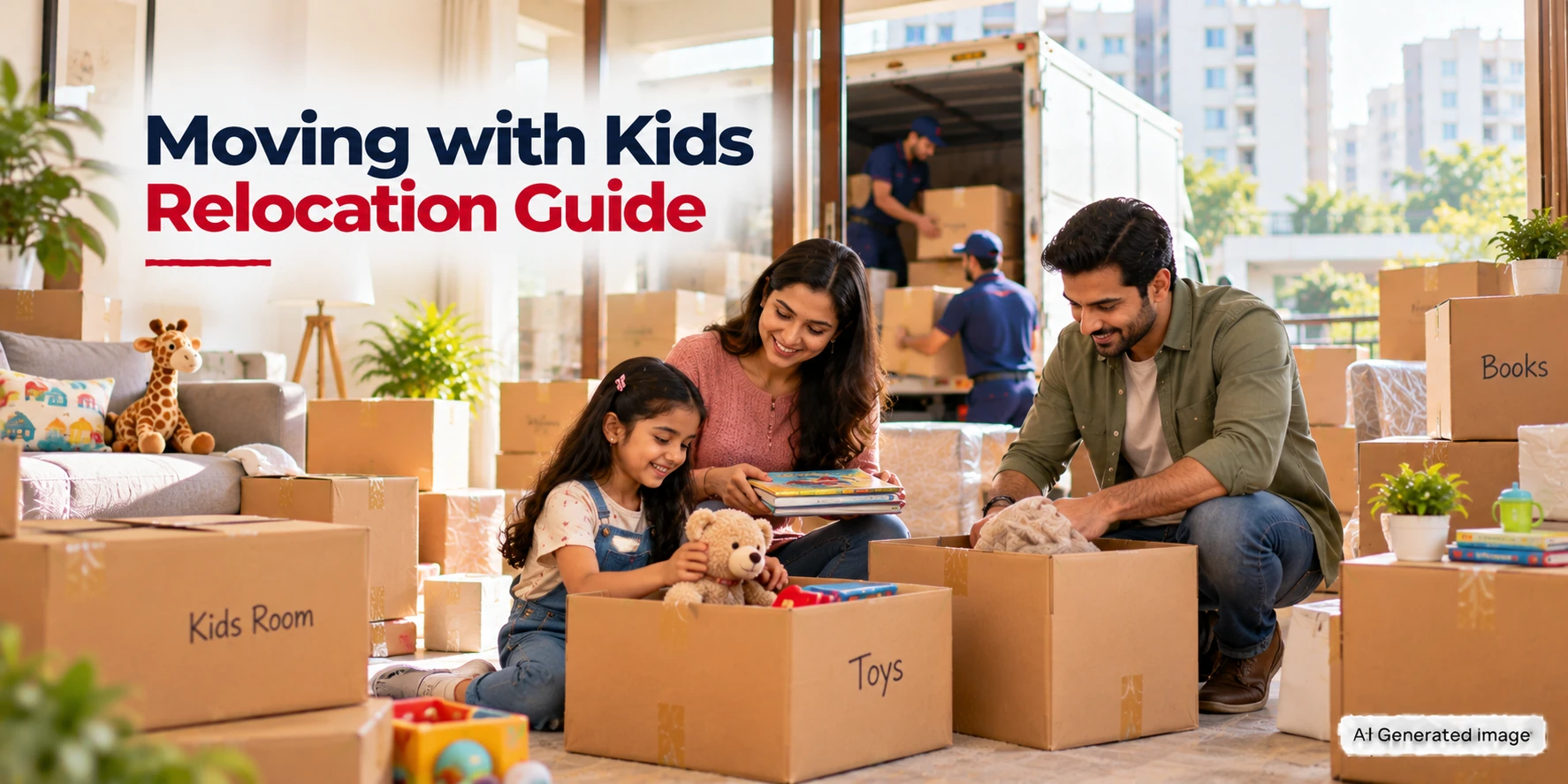
Moving to a new home with children can be challenging because it changes their familiar routines, school, friends, and surroundings. Moving with kids becomes easier with proper planning, clear communication, and a little patience. From explaining the move early and involving children in packing to maintaining their routines and keeping favourite belongings familiar, small steps can make a big difference. Let us cover practical ways to prepare children, manage moving day, and help them settle comfortably into their new home.
Quick Family Moving Checklist
A well-planned family moving checklist helps parents stay organized, reduces last-minute stress, and makes moving with kids much easier by keeping every stage of the relocation process on track.
Recommended Reading

NoBroker Packers and Movers: Application...
13.8K Views


Railway Parcel Charges in India 2026: Pe...
7.9K Views

Guide to Choosing the Best Packers and M...
5.2K Views

Types of Packers and Movers in India: Se...
4.1K Views

How To Transport Furniture By Train
1.4K Views
| Stage | Key Tasks |
| Before the Move | Request school transfer records and schedule a virtual tour of the new campus. |
| 2-3 Weeks Before | Finalize movers, start deep packing, and host a farewell playdate for friends. |
| Moving Day | Arrange separate childcare, keep essentials bags handy, and maintain regular meal schedules. |
| First Week After Move | Set up the kids' bedrooms first, unpack the kitchen, and explore local parks. |
| First Month | Establish daily routines, schedule playdates, and register for neighborhood activities. |
5 Practical Tips for Moving With Kids
Moving with kids can be challenging, especially when their daily routine, school, friends, and familiar surroundings are changing. These practical steps can make the transition easier for both children and parents:
1. Tell Your Kids About the Move Early
Make sure that you explain the change to your children long before it takes place, using straightforward and positive language. Explain why you are moving, where you are going, and what to expect. This will give them enough time to come to terms with the change and help reduce stress levels.
2. Let Them Help With Packing
Encourage your kids to get involved in packing. It could mean sorting out books, toys, clothing, and school stuff and choosing the items to be packed up by themselves. This will give them a feeling of being in control of the situation.
3. Keep Favourite Things Handy
Pack your child’s most-loved toys, blankets, books, and snacks in another bag that is easily reachable during your trip. While doing so, keep talking about the positive aspects of your new home and neighborhood, but make sure you give your child time to express his emotions.
4. Keep Schoolwork and Documents Organised
Collect all the school documents, textbooks, uniform, certificates, identification papers, and stationery into one box. If you are moving to another school, then have all the relevant transfer paperwork handy. This way, you will not lose track of your important documents amidst your house stuff.
5. Visit the New Area Before Moving
It would be ideal to take your children around the new neighborhood prior to move day. Introduce them to the house, their rooms, school, park, or local shop. Being familiar with the area ahead of time may help them get used to the new environment once the move is done.
Moving House With Children: Age-Wise Guide
Children react differently to relocation depending on their age, so understanding their needs can help make the transition smoother and more comfortable:
| Age Group | What to Keep in Mind |
| Toddlers (1–3 years) | Keep their daily routine, favourite toys, meals, and nap times as consistent as possible. |
| Preschoolers (3–5 years) | Explain the move using simple language and familiar examples. Let them choose a few favourite belongings to take along. |
| Young Children (6–10 years) | Involve them in simple packing activities and talk about their new school, home, and neighbourhood. |
| Pre-Teens (11–13 years) | Include them in decisions about their room, school, and belongings to help them feel involved in the relocation. |
| Teenagers (14–18 years) | Give them space to express concerns about friends, school, and routines while involving them in planning their new space. |
Packing Tips When Moving With Kids
Use these simple packing tips to keep your children’s essentials organised, accessible, and ready throughout the moving process:
- Pack children's belongings separately and label each box clearly.
- Keep favourite toys, books, and comfort items easily accessible.
- Prepare a separate essentials bag for each child.
- Pack a few changes of clothes in your travel bag.
- Keep snacks and water handy for the journey.
- Pack medicines and basic first-aid supplies separately.
- Involve older children in sorting and packing their belongings.
- Keep school books, uniforms, and important documents together.
- Avoid packing everyday items until the last moment.
- Set up the children's room and essentials first after reaching the new home.
How to Make Moving Day Easier for Kids?
The physical act of loading a truck is loud, chaotic, and stressful for younger family members. Managing their environment carefully is essential.
- Stick to normal meal and nap times: Maintain their biological rhythm regardless of moving truck delays.
- Keep younger children supervised: Hire a babysitter or relative to watch toddlers away from hectic loading zones.
- Assign simple tasks to older kids: Let them log numbered boxes into a master inventory spreadsheet.
- Carry entertainment items: Keep tablets, coloring books, and card games easily accessible.
- Avoid exposing children to stressful discussions: Shield them from arguments regarding logistical delays or damaged items.
- Keep emergency contacts handy: Maintain a physical list of new pediatricians and local hospitals.
Managing Emotional Challenges During Relocation
Moving can affect children emotionally in ways that are not always obvious, so watch for changes in their behaviour and offer consistent support as they adjust.
| Signs Your Child May Be Struggling | How Can Parents Help? |
| Irritability: Frequent, uncharacteristic outbursts over minor inconveniences. | Validate emotions: Acknowledge their feelings and avoid forcing them to be positive about the move. |
| Withdrawal: Avoiding their bedroom, family members, friends, or activities they previously enjoyed. | Be patient: Give them time to adjust and respond to behavioural changes with gentle guidance. |
| Sleep disturbances: Sudden insomnia, nightmares, disrupted sleep, or frequent bedwetting. | Spend quality time together: Create regular opportunities for distraction-free family time and reassurance. |
| Mood swings: Moving between anger, crying, sadness, or unusual emotional reactions. | Seek professional support if needed: Consider consulting a child psychologist if significant withdrawal or anxiety continues for an extended period. |
Helping Kids Adjust After the Move
Below are some easy tips that will make your kids feel at home after relocating:
- Set up their bedroom early: Put their personal items such as bedding, night lights, toys, and posters out on the very first day.
- Maintain regular routines: Return to your normal meal timings, bedtime, and school routine, etc., as soon as you can.
- Explore the surroundings: Take the kids for a walk in the local areas, parks, or shops.
- Help build new friendships: Introduce them to other kids through school, sport, hobby class, or anything else.
Common Mistakes Parents Make When Moving With Kids
Rushing the relocation logistics often leads parents to overlook the severe psychological impact the transition has on their children.
- Breaking routines completely: Abandoning nap times and family dinners causes severe sensory and emotional overload.
- Packing children's essentials too early: Boxing up favorite comfort blankets weeks in advance triggers deep separation anxiety.
- Ignoring emotional reactions: Dismissing a teenager's anger as typical rebellion rather than recognizing it as profound social grief.
- Overpromising about the new city: Unrealistic hype about the new location leads to massive disappointment upon arrival.
- Leaving school preparations until the last minute: Forgetting to request official transcripts stalls the admission process, forcing kids to miss essential orientation days.
How Can NoBroker Help Families Relocate Smoothly?
Relocating with children can be challenging, but the right support can make the process more manageable. At NoBroker Packers and Movers, we assist families in making their moves easy and hassle-free by providing them with competent professionals who know how to safely move their household items. From the packing stage to the transportation and loading and unloading stages, all these aspects of moving are facilitated by us, which will help families avoid physical fatigue. Plan your family’s move with NoBroker and make relocation easier, safer, and stress-free!
Frequently Asked Questions
How do I prepare my child emotionally for moving?

At what age is moving hardest for children?
How can I reduce stress when moving with kids?
Should I let my child help with packing?
How long does it take children to adjust after moving?
How do I help my child make new friends?
What should go in a child's moving essentials bag?
How early should I arrange school transfers?
About the Author

Yumna Ahmed
Senior Editor
Reviewed By

Sambhu Nampoothiri
Reviewer


Recent Blogs
Subscribe to our Newsletter
Get latest news delivered straight to your inbox