




Summary
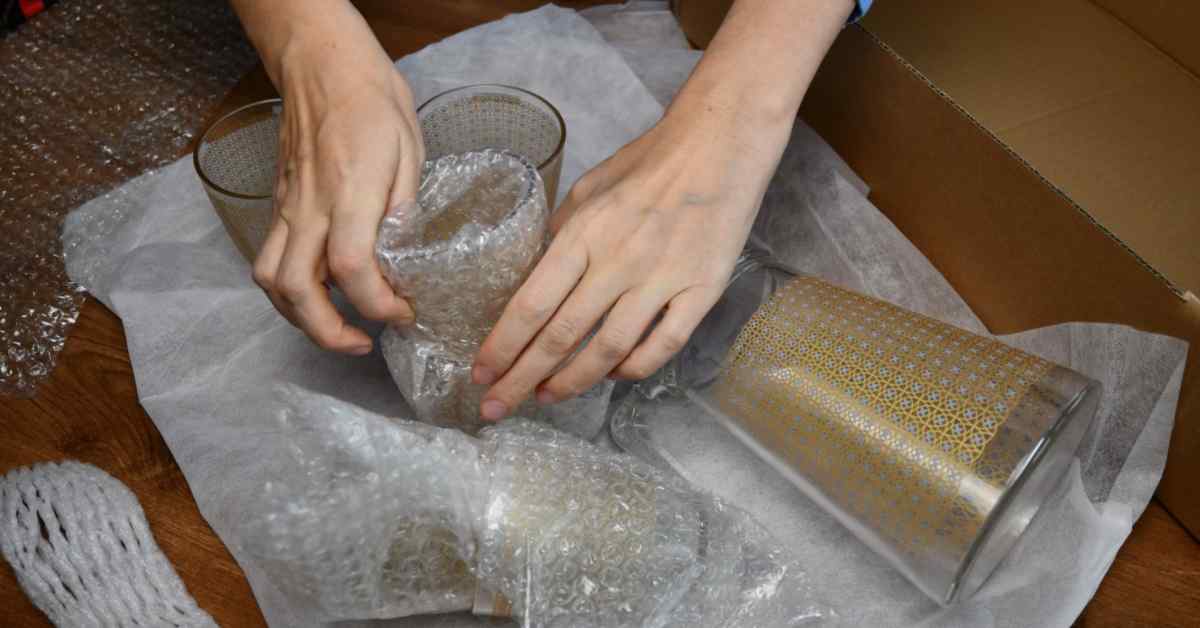
Packing fragile items properly helps prevent damage during moving or storage. Start by using strong boxes, bubble wrap, packing paper, and cushioning materials. Wrap each item individually, paying extra attention to corners and edges. Place heavier items at the bottom and lighter ones on top, filling all gaps to stop movement. Clearly label boxes as “Fragile” and avoid overpacking. Proper packing ensures delicate items like glassware, crockery, and electronics stay safe and intact.
Choosing the Right Packing Materials
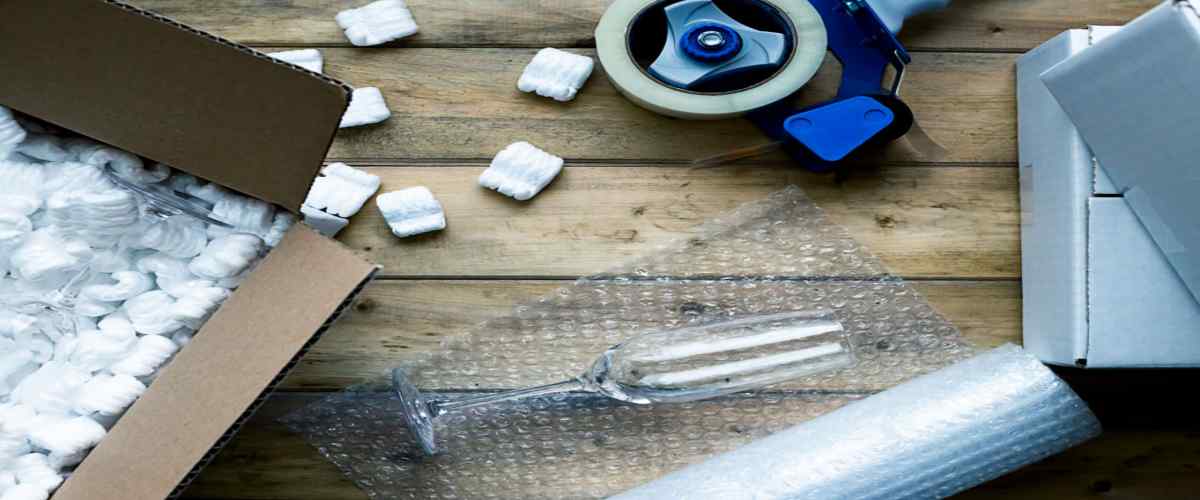
Selecting the appropriate packing materials is not just a step in the process; it's the foundation of ensuring your fragile items reach their destination in one piece. Your choice of materials can make or break (literally) the safety of your belongings during the move. So, it's imperative to not cut corners when it comes to this aspect of packing.
Recommended Reading
Shoes Packaging Ideas: Decluttering, Pac...

7.1K Views

Dec 26, 2023
How to Pack Kitchen Items for Moving - S...
5.9K Views
Jan 31, 2025
The Best Way to Wrap a Picture Frame: Co...
5.7K Views
Oct 25, 2023
How to Pack Your TV For Moving Safely St...
5.6K Views
Jan 31, 2025
How to Pack Your Mattress in a Right Way
5.3K Views
Oct 23, 2023
Essential Packing Materials:
- Bubble Wrap: Ideal for wrapping individual fragile items, bubble wrap provides a cushion of air that absorbs shocks and vibrations.
- Packing Peanuts: These are great for filling empty spaces within boxes, preventing items from moving around during transit.
- Furniture Pads: Use these for larger items like mirrors and glass tables. They provide an extra layer of protection against scratches and dents.
By investing in these quality materials, you're setting the stage for a less stressful and more successful move.
How to Bubble Wrap Fragile Items?
Properly bubble wrapping fragile items prevents damage during transit; follow these expert tips from NoBroker Packers and Movers to ensure safe, secure, and worry-free relocation:
- Choose bubble wrap with an appropriate thickness based on the item’s fragility.
- Lay the item on the bubble wrap with bubbles facing inward.
- Wrap the item completely, covering all edges and corners.
- Secure the wrap with tape to prevent it from unraveling.
- Add extra layers for highly delicate or heavy items.
- Cushion the wrapped item inside a sturdy box for added protection.
- Label the box as Fragile to ensure careful handling.
How to Pack Fragile Items Without Bubble Wrap?
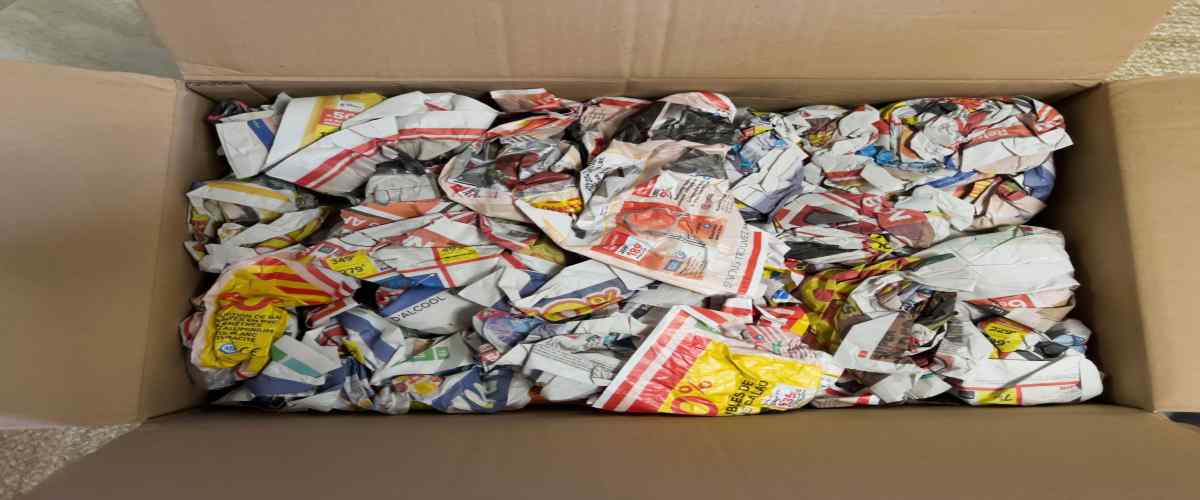
When packing fragile items, bubble wrap is often the go-to choice. However, you might find yourself without any on hand, or you might be seeking a more sustainable option. Fortunately, alternative packing materials can be just as effective. Here's how to use newspapers, towels, and old clothing to ensure your delicate items reach their destination unscathed.
Alternative Packing Materials
- Newspapers: Newspapers are a readily available and cost-effective alternative to bubble wrap. Layer multiple sheets of newspaper and wrap them tightly around your fragile items, securing them with tape.
- Towels: Towels offer excellent cushioning and can be folded in various ways to fit different items. Wrap towels around larger objects like vases or electronics and secure them with twine or tape.
- Old Clothing: Old t-shirts, socks, and even hoodies can provide excellent protection. Use them to fill hollow spaces in boxes or wrap them around smaller, delicate items like glassware.
Techniques for Using Alternatives Effectively
When packing without bubble wrap, these simple techniques ensure safety, recommended by NoBroker Packers and Movers, helping protect fragile items efficiently during the relocation process:
- Layering: Use multiple layers when wrapping items for improved shock protection.
- Filling Empty Spaces: Fill empty box spaces with newspapers or clothing securely.
- Securing the Wrap: Secure wrapped items using tape or twine to prevent loosening.
- Proper Labelling: Label fragile boxes clearly to ensure they are handled carefully.
Organising and Labeling
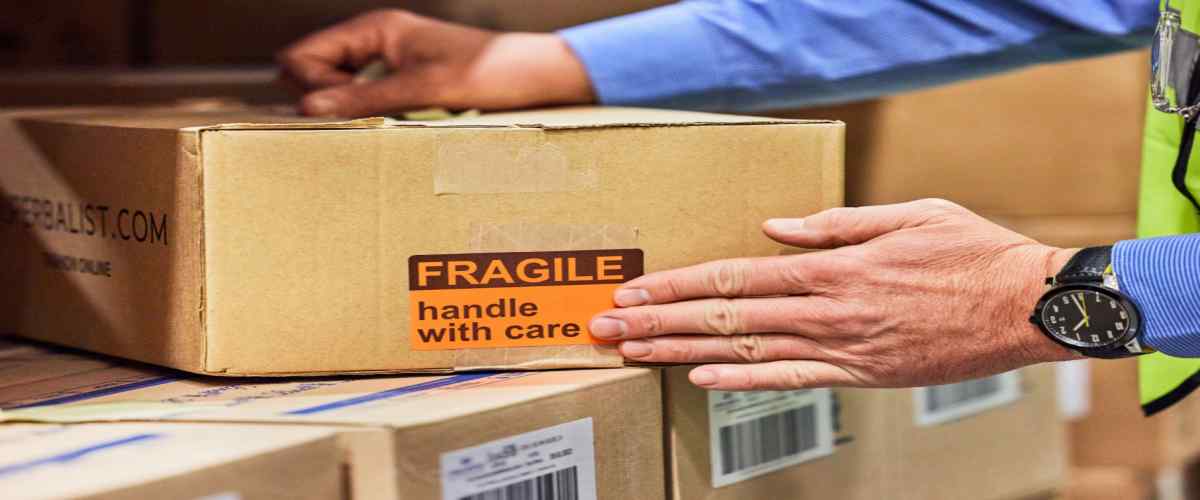
When packing fragile items, organisation and clear labelling are crucial for a smooth moving experience. Let's dive straight into why these aspects are essential.
Importance of Small Boxes for Fragile Items
Utilising small boxes for your fragile items is non-negotiable. Small boxes are easier to handle and manoeuvre, reducing the likelihood of mishandling or dropping. Additionally, these compact boxes limit the movement of items within, minimising the risk of breakage during transit. By placing your delicate items in small boxes filled with padding, you give them an added layer of protection.
How to Label a Fragile Package Properly?
To properly label boxes as fragile, follow these simple steps:
- Avoid overloading boxes so labels remain effective and visible
- Use bold FRAGILE stickers or write clearly on all sides of the box
- Mark This Side Up with arrows to indicate correct orientation
- Highlight boxes with bright-colored labels or tape for visibility
- Mention contents like Glass Items or Handle with Care
How to Pack Breakables for Long-Distance Moves?
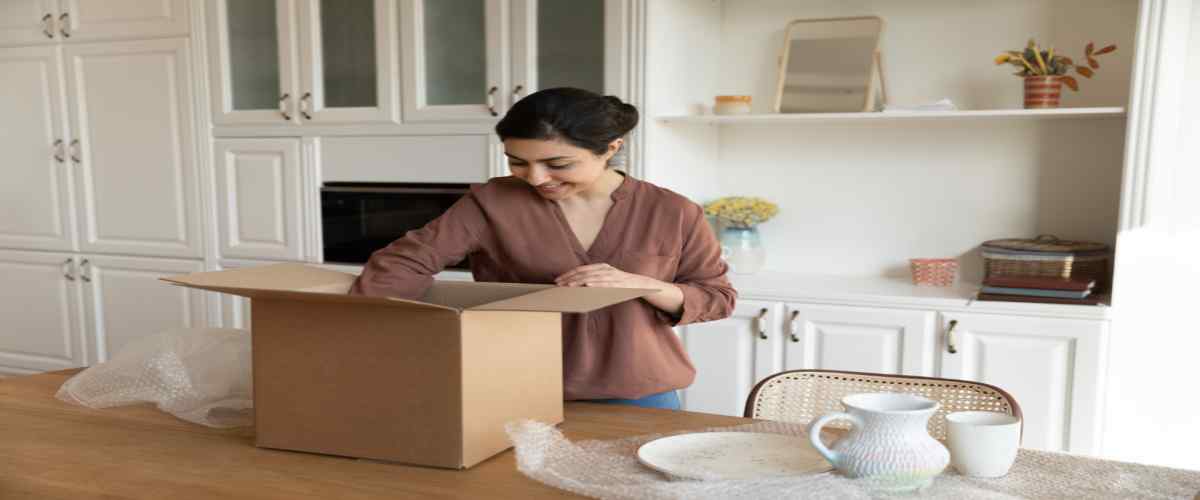
When it comes to long-distance moves, the stakes for packing your fragile items are even higher. Unlike local relocations, your belongings spend more time in transit, increasing the risk of damage. Knowing how to pack fragile items correctly becomes essential to protect delicate possessions from constant movement, road vibrations, and handling, making extra care and precautions necessary.
How to Pack Glass Items for Shipping?
Packing glass items requires extra care and precision; follow these simple tips, trusted by NoBroker Packers and Movers, to ensure safe handling, minimal breakage, and stress-free relocation:
- Use sturdy, corrugated boxes to provide strong support for glass items.
- Wrap each glass item individually using bubble wrap or packing paper.
- Add extra cushioning to rims, edges, and handles to prevent cracks.
- Line the bottom of the box with padding for shock absorption.
- Place glass items upright rather than flat to reduce pressure damage.
- Fill all empty spaces to stop items from shifting during transit.
- Seal the box tightly and label it clearly as fragile.
Extra Precautions for Long-Distance Moves
- Sturdier Boxes: Opt for double-corrugated boxes that provide extra strength and resilience. These boxes are less likely to give way under pressure or after prolonged travel.
- High-Quality Packing Material: Use high-quality packing paper, bubble wrap, and packing peanuts to fill any voids and cushion your items adequately.
- More Packing Tape: Generously apply heavy-duty packing tape to secure your boxes. Double up on the tape at the seams and corners for added safety.
- Detailed Labeling: Clearly mark the boxes containing fragile items. Add arrows to indicate the right side up, and specify the room they belong to for easier unpacking.
Tips for Stacking and Placement Within Moving Trucks
- Bottom Placement: Always place heavier boxes at the bottom. Boxes containing fragile items should be stacked on top of these to prevent crushing.
- Avoid Overloading: Do not stack boxes too high. Keeping your stack height moderate helps in maintaining stability during the move.
- Gap-Free Loading: Fill in any gaps between the boxes with cushions, soft toys, or additional bubble wrap to prevent movement.
- Corner Positioning: If possible, place your fragile boxes in corners where they are less likely to move and are somewhat shielded from impact.
- Use Straps: Use straps or ropes to secure your fragile boxes to the truck's walls. This minimises shifting during abrupt stops or turns.
- Climate Control: If your fragile items are sensitive to temperature changes (like electronics or artwork), consider using a climate-controlled truck.
By taking these extra precautions and being mindful of how you place your boxes in the moving truck, you can ensure that your breakables arrive at your new home in one piece.
Packing Special Items: Electronics and Artwork

Tips for Packing Electronics like TVs and Monitors:
- Original Packaging: If available, use the original box and styrofoam inserts for maximum protection.
- Bubble Wrap: If the original packaging isn't an option, wrap the electronic item securely in bubble wrap.
- Small Boxes: For added safety, place the wrapped electronic into a smaller box before placing it into the larger moving box.
- Padding: Fill any gaps with foam or packing peanuts to prevent movement during transit.
- Label: Clearly mark the box as 'Fragile - Electronics' so movers know to handle it with care.
How to Handle Delicate Artworks and Mirrors:
- Surface Protection: Use glassine paper to protect the surface from scratches.
- Corner Protectors: Use cardboard corner protectors to guard the edges.
- Bubble Wrap: Wrap the entire artwork or mirror generously with bubble wrap.
- Flat Box: Use a flat, sturdy box that fits the item snugly.
- Fill Gaps: Use crumpled packing paper or bubble wrap to fill any remaining empty spaces in the box.
- Label: Clearly mark the box as 'Fragile - Artwork/Mirror'.
Common Mistakes to Avoid while Packing Fragile Item
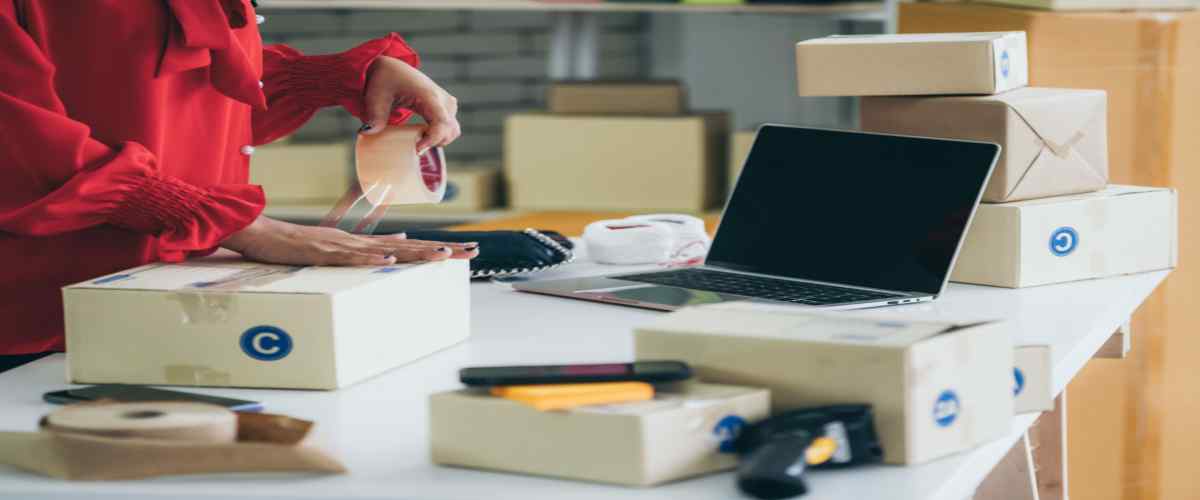
When it comes to packing fragile items for a move, the smallest mistake can lead to big headaches. Here's a quick rundown of common errors you'll want to avoid:
- Using Old or Damaged Boxes: Weak boxes are a recipe for disaster. Always use sturdy, new boxes to ensure maximum protection.
- Skimping on Packing Materials: Trying to save on bubble wrap or packing paper can cost you more in the long run if your items get damaged.
- Overpacking Boxes: A too-heavy box is hard to move and increases the risk of breakage. Distribute the weight evenly across multiple boxes.
- Inadequate Labelling: Failing to clearly mark boxes as 'Fragile' leaves them at risk of rough handling. Always label them clearly.
- Lack of Padding: Always pad the bottom of your boxes and fill in empty spaces with cushioning materials. Don't let items move inside the box.
- Rushing Through the Process: Speeding can lead to mistakes. Take your time to wrap each item individually and place it carefully in the box.
- Neglecting to Double-Check: Always give your packing a second look. Ensure items are snugly packed and that boxes are sealed tightly.
- Ignoring Professional Help: If you're unsure about how to pack very delicate or valuable items, it may be smarter to consult professionals.
By avoiding these common mistakes, you'll be on your way to ensuring that your fragile items reach their destination safe and sound.
Expert Tips for Packing Fragile Items Safely and Stress-Free Moving
Learning how to pack fragile items for moving is essential for a smooth, damage-free relocation. Using the right materials, proper cushioning, careful wrapping, and clear labelling ensures your delicate belongings stay protected throughout transit. While these tips are helpful for DIY movers, professional assistance offers unmatched reliability and peace of mind. For a truly stress-free experience, choosing NoBroker Packers and Movers Services ensures expert handling, secure packing, and safe delivery of all your fragile items.

