Spider Web Cleaning: How to Keep Webs from Returning

202 Views
Table of Contents
Summary
Keeping ceilings, walls, and corners free from cobwebs requires more than occasional dusting. Effective spider web cleaning involves removing existing webs, reducing dust accumulation, improving ventilation, and discouraging spiders from returning. Regular maintenance of hidden corners and high surfaces helps prevent recurring infestations while keeping your home cleaner, healthier, and more visually appealing. With the right cleaning methods and preventive measures, long-term cobweb control becomes much easier.
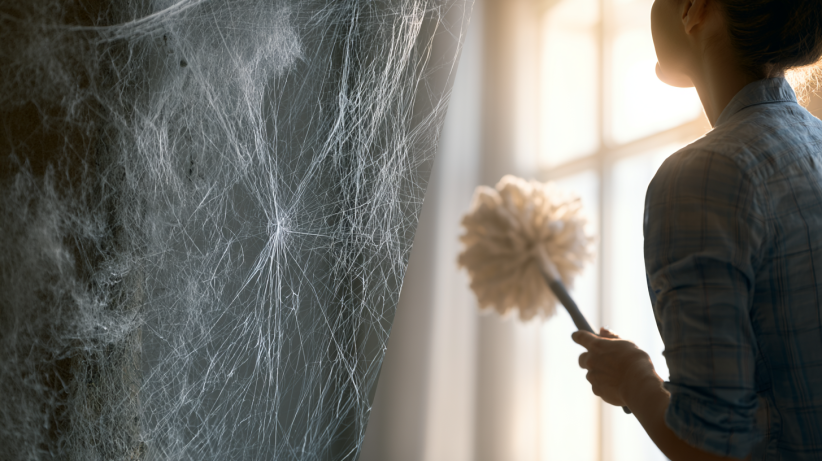
Maintaining a pristine home involves more than just dusting tables and mopping floors. One of the most frustrating aspects of domestic upkeep is discovering sticky strands of silk forming in high, hard-to-reach places just days after you cleaned them. Efficient spider web cleaning is not about wiping away the visible mess; it requires a strategic approach to discourage pests from returning to the same spots. By understanding why arachnids choose specific areas and utilizing the right tools, you can ensure your walls and ceilings remain fresh, hygienic, and free of unappealing dust traps year-round.
Why Do Spider Webs Form in Ceiling Corners?
Spiders are strategic creatures that select their habitats based on convenience, safety, and a steady food supply. Understanding these habits helps you break the cycle of constant web formation.
- Dust attracts spiders: Layers of undisturbed dust provide camouflage and a stable foundation for arachnids to anchor their sticky silk threads.
- Unused corners collect webs: Areas with zero human foot traffic or physical disturbance offer a safe, quiet haven for spiders to spin intricate traps.
- Poor ventilation increases buildup: Stagnant air allows flying insects to linger longer, creating a reliable food source that encourages spiders to stay and build.
10 Easy Ways to Clean Ceiling Corners to get rid of Spider Webs
Keeping your upper walls immaculate requires consistent effort and the correct methodology. Implementing these ten practical on how to remove spider webs ensures you tackle the root of the problem without causing damage to your paint or spreading dust everywhere.
Recommended Reading

Best Home Cleaning Apps List: Book Home ...
35.6K Views

How to Deep Clean Your Washing Machine: ...
23.9K Views

Top 10 Best Robot Vacuum Cleaner in Indi...
19.5K Views

Top 10 Plumbing Service Apps in 2026
18.7K Views

Diwali Cleaning Tips and Guide: Make You...
18.5K Views
1. Use a Long-Handle Duster
A telescopic duster is an indispensable tool for reaching high ceilings without risking climbing on unstable furniture.
- Reaches corners easily, allowing you to quickly swipe away debris from vaulted ceilings and tight architectural angles.
- Removes loose dust effectively, preventing dirt from settling on lower surfaces while keeping your paint job fully intact.
2. Vacuum Spider Webs Carefully
Using a machine rather than a broom prevents the sticky silk from smearing into a dirty stain across your wall.
- Prevents dust from spreading by sucking it into the canister, ensuring you capture microscopic egg sacs as well.
- Cleans efficiently because the narrow crevice attachment concentrates suction power into the tightest, most difficult structural corners.
3. Use Microfiber Cloths
Dry microfiber is excellent for trapping fine particles that traditional feather dusters push around the room.
- Traps fine dust deep within its synthetic fibers, ensuring that no residue falls onto your furniture or clean floors below.
- Gentle on paint, preventing accidental scratches or scuff marks that hard plastic broom bristles often leave behind during rigorous wiping.
4. Clean Ceiling Fans First
Addressing your overhead fixtures before tackling the surrounding walls dictates a logical, top-to-bottom workflow.
- Prevents dust from falling later onto surfaces you have already wiped down, saving you from having to clean the same spot twice.
- Improves overall cleaning by removing massive clumps of dirt that the fan blades would otherwise circulate throughout the entire room.
5. Spray Mild Cleaner if Needed
Sometimes, old silk hardens and requires minor chemical assistance to detach cleanly without damaging the underlying drywall surface.
- Removes sticky dirt by breaking down the chemical bonds of the silk, making it simple to wipe away with minimal physical effort.
- Safe for walls because a diluted mixture of warm water and dish soap will not strip your interior paint or cause discoloration.
6. Wear Protective Gear
Tackling overhead tasks often results in falling debris, making basic physical protection a smart prerequisite for any thorough session.
- Avoids dust allergies by blocking airborne particles from entering your eyes or respiratory system while you disturb old, dusty corners.
- Keeps cleaning safe when dealing with hidden crevices where defensive insects might drop unexpectedly while you work beneath them.
7. Clean Hidden Corners Regularly
Consistency is the most effective weapon against pest buildup; frequent, minor interventions prevent major weekend-chores marathons.
- Prevents web formation because regular disturbance disrupts the spider's sense of security, forcing them to abandon the location.
- Maintains cleanliness by stopping the slow accumulation of dead insects and airborne dust that naturally stick to abandoned silk threads.
8. Check Behind Furniture
Arachnids prefer dark, secluded spaces just as much as high ceilings, making heavy furniture a prime target for hidden webs.
- Removes unnoticed webs that act as breeding grounds, stopping baby spiders from eventually migrating upward to your crown molding.
- Improves hygiene by clearing out the stagnant dust bunnies and pet hair that accumulate near baseboards and heavy wooden cabinets.
9. Improve Ventilation
Airflow disrupts the tranquil environment that pests require to successfully anchor their delicate structural threads to your drywall.
- Reduces dust buildup by circulating fresh air, which prevents tiny particles from settling and bonding to your walls over time.
- Keeps corners fresh, discouraging flying insects from lingering in stagnant pockets, thereby removing the primary food source that attracts predators.
10. Use Natural Spider Repellents
Once the area is clear, applying a scent-based barrier prevents pests from choosing that spot again.
- Peppermint oil solution acts as a powerful sensory deterrent; spiders detest the intense smell and will refuse to walk across treated zones.
- Discourages spiders from dropping new anchor lines, providing a natural, chemical-free way to maintain your hard work for several weeks.
Best Tools for Spider Web Cleaning
Achieving a spotless ceiling is significantly easier when you utilize equipment designed specifically for this frustrating task. Investing in the right cobweb cleaner prevents physical strain and ensures a thorough finish.
1. Cobweb Dusters & Extension Poles
- Static Bristle Dusters: These feature stiff, domed bristles that act like magnets, grabbing and wrapping the sticky silk around the head rather than just pushing it.
- Microfiber Dusters: Perfect for smooth indoor walls, these soft pads trap fine dust particles without leaving accidental scratch marks on delicate wallpaper.
- Extension Poles: A lightweight aluminum telescopic pole allows you to reach vaulted ceilings and stairwell corners while standing firmly on the ground.
2. Vacuum Cleaners
A high-powered vacuum equipped with a long hose and a narrow crevice tool is the most hygienic method available. It sucks the silk, the spider, and any hidden egg sacs straight into the bag, preventing the mess from smearing against the paint or falling onto the carpet.
3. Specialized Outdoor & Deep Cleaning Tools
- Stiff Broom Heads: Ideal for rough outdoor brickwork or wooden sheds where delicate indoor dusters would snag and tear easily.
- Pressure Washers: For heavy exterior infestations under roof eaves, a low-pressure wash instantly clears stubborn dirt and old nests.
- Old Rags & Microfiber Cloths: Wrapping a damp rag around a standard broom handle provides an excellent makeshift tool for wiping away leftover sticky residue.
How NoBroker Can Help
Managing high ceilings and tight corners can be exhausting if you lack the proper tall equipment or suffer from dust allergies. When routine wiping is not enough, NoBroker provides expert solutions to maintain your residence. We offer professional home cleaning designed to tackle the most stubborn, hard-to-reach areas. Our trained partners focus on thorough, deep-corner dust removal, ensuring every trace of dirt and old silk is removed. Rely on NoBroker for affordable expert services that keep your living space hygienic, visually appealing, and consistently fresh without the hassle of climbing dangerous ladders yourself.
Frequently Asked Questions
Frequently Asked Questions
What is the easiest way to remove spider webs?
How often should ceiling corners be cleaned?
Can spider webs damage walls?
Which tools are best for ceiling cleaning?
How to permanently get rid of spider webs?
Do spiders lay eggs on the ceiling?
How to remove spider webs outdoors?
About the Author

kruthi
Senior Editor


Recent Blogs
Subscribe to our Newsletter
Get latest news delivered straight to your inbox