- https://complinity.com/industry/compliances-in-real-estate-industry/
- https://www.cribapp.com/resources/property-management-responsibilities
Table of Contents
Loved what you read? Share it with others!


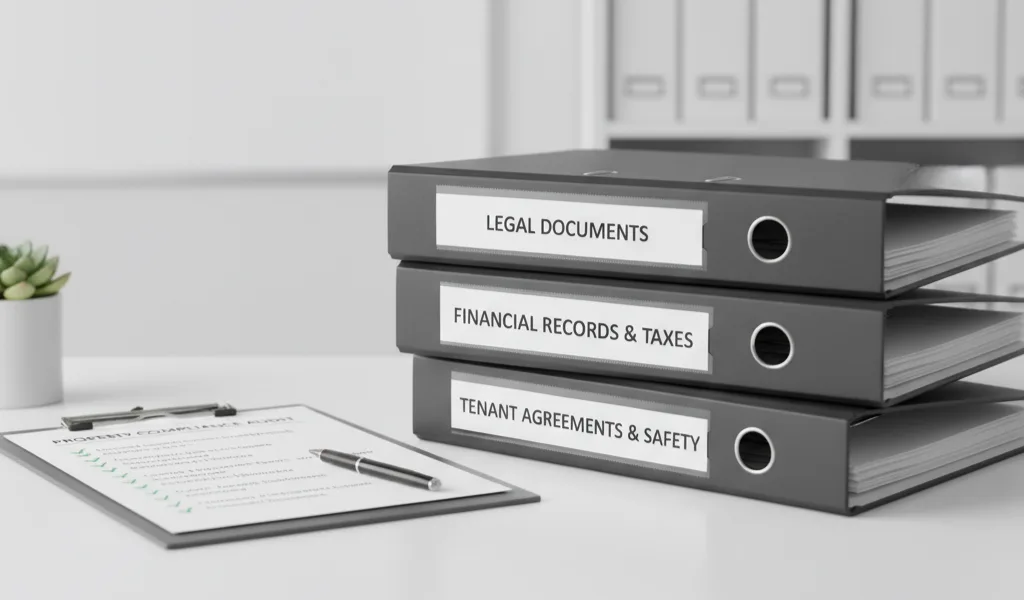
Property Management Compliance: Legal, Financial, and Technology Compliance in 2026
Updated : February 9, 2026, 4:51 PM
Author :
 Vivek
Vivek
Summary
Property management compliance ensures all property operations follow legal, financial, and safety regulations, protecting owners from penalties and disputes. It covers licensing, tenancy laws, taxation, safety codes, and data privacy, requiring managers to maintain transparency and accurate documentation. Non-compliance can lead to legal action, financial losses, and reputational damage. Staying updated with evolving regulations is crucial for smooth operations.
Table of Contents
Effective property management involves much more than just collecting rent. A critical, and often complex, aspect is property management compliance. This means strictly following all laws, rules, and guidelines governing real estate. For property owners and managers, understanding these requirements is essential. It protects you from serious risks, such as heavy financial penalties, tenant-related legal disputes, and damage to your reputation. This guide will explain the most crucial property management rules and regulations.
What is Property Management Compliance?
Property management compliance is the formal process of ensuring that all activities related to property management comply with a strict set of laws and standards. It is not just one rule, but a wide-ranging set of property management regulations. The scope is broad, covering everything from how you handle tenant money (financial), your lease agreements (legal), building safety codes (safety), and even how you operate your business (operational). [1] [2]
Legal Compliance Requirements
Property manager compliance requirements are strict, and ignorance of the law is not an excuse. This area covers everything from your business license to the agreements you sign with tenants. Failing to comply can lead to serious legal action and void your agreements. Let's explore the key parts.
Registration and Licensing
Before you can even begin offering services, you must have the proper legal standing. This foundational step ensures your business is recognized by the government and is allowed to operate.
- Registering the Business: Your property management company must be registered as a legal entity, such as a private limited company or a limited liability partnership (LLP).
- Obtaining Local Licenses: You must acquire all necessary trade licenses from the local municipal corporation or governing authority where you operate.
- RERA Registration: If you act as a real estate agent or broker, registration under the Real Estate (Regulation and Development) Act, 2016 (RERA) is mandatory in most states.
Tenancy Laws
This is one of the most common areas of dispute. Property management rules governing the landlord-tenant relationship are detailed and must be followed precisely.
- Compliance with Tenancy Acts: You must understand the Model Tenancy Act, 2021, and how it is adopted in your state, as well as any older Rent Control Acts that may still apply to certain properties. This impacts rent increases, eviction processes, and tenant rights. What is property management is defined by these laws.
- Valid Tenancy Agreements: All lease agreements must be in writing, clearly state all terms, and be registered with the appropriate authority as required by law.
- Handling Tenant Disputes Legally: You cannot forcibly evict a tenant or cut off utilities. All disputes must be handled through the proper legal channels, such as a Rent Court or a mediation authority.
Tax Compliance
Financial mismanagement is a quick way to face severe penalties. Tax laws are non-negotiable landlord compliance requirements that need careful attention from the very first transaction.
- TDS on Rent (Section 194-IB): As a manager, you must be aware of the rules for deducting tax at source (TDS) on rent payments, especially for high-value rentals.
- Goods and Services Tax (GST): You must correctly charge, collect, and file GST on your property management fees and, in some cases, on rental income from commercial properties.
- Property Tax and Income Reporting: You are responsible for ensuring the owner's property taxes are paid on time and that all rental income is reported accurately on their tax returns.
- Maintaining Records: Keeping perfect records of all income and expenses is not just good practice; it is a legal requirement for tax audits.
Safety and Environmental Compliance
The physical safety of tenants and the building's environmental impact are major components of property management regulations. This protects lives and property.
- Fire Safety Norms: The building must have all required fire safety equipment, including extinguishers, alarms, and clear exit routes, which must be regularly inspected.
- Building Codes and Structural Safety: You must ensure the building adheres to all local building codes, including structural safety certificates, proper wiring, and sound plumbing.
- Environmental Regulations: This includes rules for waste disposal, water management, and ensuring the property does not cause pollution.
- Periodic Inspections and Certifications: You must schedule and pass all required periodic inspections from government bodies, such as elevator (lift) certifications or building safety audits.
Financial Compliance
This area focuses on how you handle money, which belongs to both the owner and the tenant. Transparency and accuracy are the two main pillars of financial compliance. These property manager roles and responsibilities are based on trust.
- Maintaining Accurate Accounts and Audits: You must keep detailed, separate bank accounts for client funds (owner's money) and your own business funds. Mixing these funds is a major violation.
- Compliance with Rent Deposits: You must follow all state-specific laws regarding the collection, holding (often in a separate account), and timely return of tenant security deposits.
- Transparent Financial Reporting: Property owners must receive regular, easy-to-understand financial statements showing all income collected and all expenses paid on their behalf.
Technology Compliance
In the modern world, even your software must be compliant. This is especially true for data privacy and financial records. Using the right tools can make compliance much easier.
- Role of Software in Ensuring Compliance: A professional property management app is designed to follow the rules, helping you avoid mistakes in calculations and record-keeping.
- Automated Tracking and Document Management: Technology helps automate rent tracking, create lease renewal reminders, and calculate taxes, reducing human error.
- Digital Record-Keeping and Data Privacy: You must securely store tenant and owner personal information, complying with India's data privacy laws (like the Digital Personal Data Protection Act). Secure digital records are also essential for audits.
Consequences of Non-Compliance
Ignoring property management compliance is not a viable business strategy. The risks associated with non-compliance are severe and can destroy a business and an owner's investment.
- Legal Penalties, Fines, and Litigation: Government agencies can levy heavy fines, and you could be taken to court by tenants or owners.
- Disputes with Tenants and Owners: A lack of compliance, such as with security deposits, leads to ongoing disputes, stress, and a poor reputation. This is a key reason many owners choose professional help over self-management vs property management.
- Loss of Credibility and Financial Losses: Your reputation as a trustworthy manager will be damaged. This leads to losing clients (owners) and difficulty finding good tenants, resulting in significant financial losses.
How NoBroker Can Help with Property Management Services?
Navigating the complex web of property management compliance can be overwhelming. This is where NoBroker’s expert property management services provide immense value. As one of the leading property management companies in India, our team understands the local rules and regulations governing property management. We ensure your investment is protected, your tenants are managed professionally, and your legal obligations are always met, giving you complete peace of mind.
Frequently Asked Questions?
Q1. What is property management compliance?
Ans: It is the act of complying with all laws, rules, and regulations governing the management of a rental property. This includes legal, financial, and safety standards.
Q2. Why is compliance important for property managers?
Ans: It is essential for avoiding legal penalties, fines, and lawsuits. It also builds trust with property owners and tenants, protecting the business's reputation and the owner's investment.
Q3. Which laws must property managers follow in India?
Ans: Managers must follow state-specific tenancy acts (like the Model Tenancy Act), RERA, tax laws (GST, TDS), building safety codes, and data privacy laws.
Q4. What are the penalties for non-compliance?
Ans: Penalties can range from large financial fines and legal fees to, in severe cases, the loss of a business license or even imprisonment for serious safety violations.
ARTICLE SOURCES
Most Viewed Articles

List of Top 8 Property Management Companies in India
January 31, 2025
19201+ views
10 Property Management Apps to Streamline Your Real Estate Portfolio
January 31, 2025
7632+ views

What is Property Management in Real Estate?
January 31, 2025
5570+ views

What is Property Maintenance? | A Beginner's Guide
January 31, 2025
5454+ views

Commercial Property Management: An Essential Guide
January 31, 2025
5127+ views
Author
Loved what you read? Share it with others!
Recent blogs in
Sustainable Property Management for Eco-Friendly and Energy-Efficient Buildings in India
November 3, 2025 by Ananth
What is Outsourcing Property Management: Services, Benefits and Challenges in 2026
November 3, 2025 by Vivek Mishra
Property Management Compliance: Legal, Financial, and Technology Compliance in 2026
November 3, 2025 by Vivek Mishra










 Full RM + FRM support


Join the conversation!