Drain fleas are usually caused by organic debris and stagnant moisture inside drains. To get rid of drain fleas, thoroughly clean the drain, remove accumulated sludge, use boiling water or an enzyme-based drain cleaner, and keep the area dry. Regular drain maintenance helps prevent them from returning. This guide explains how to get rid of drain fleas, treat infestations at home, and help your pets. This guide explains how to get rid of drain fleas, treat infestations at home, and help your pets.
Quick Info: Drain Fleas (Drain Flies) vs Real Fleas
Before learning how to get rid of drain fleas, you must understand the difference between these plumbing pests and the jumping insects biting your pets.
| Aspect | Drain Fleas (Drain Flies) | Real Fleas |
|---|
| What they are | Tiny moth-like flies (Psychodidae) | Hard-bodied jumping insects (Siphonaptera) |
| Where found | Near drains, sinks, and floor drains | On pets, carpets, bedding, furniture |
| Do they bite? | No | Yes, especially ankles and legs |
| Cause | Organic buildup in drain pipes | Pets bringing fleas indoors |
| Fix | Scrub drain, enzyme cleaner, hot water | Treat pet, vacuum, wash bedding, flea spray |
| Time to clear | 7 to 14 days | 2 to 4 weeks |
| When to call a pro | After 2 weeks of home treatment | After 4 weeks of home treatment |
| NoBroker service | Pest control and plumbing | Pest control |
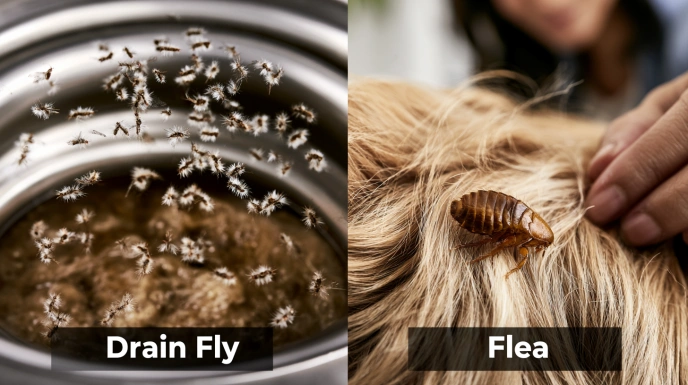 Drain flies are not true fleas
What Are Drain Fleas (Drain Flies)?
Explain they are drain flies, not true fleas; a different insect. They measure about 1/8 inch long, appear gray or tan, and have fuzzy moth-like wings. They cannot bite or sting. Drain flies live inside the organic buildup of plumbing pipes. They are worst during periods of high humidity or when standing water sits undisturbed. They carry bacteria from the drain into your living spaces, but are not harmful in small numbers.
5 Signs You Have Drain Fleas in Your Home
If you want to know how to get rid of fleas in drains, you must first confirm their presence. Look for these specific visual indicators around your sinks and bathroom floors.
- Tiny fuzzy insects resting flat on damp bathroom tiles and mirrors.
- Bugs that clumsily hop or crawl instead of flying.
- Tiny, legless greyish worms wriggling near the sink grate.
- Pests scatter suddenly when you turn the bathroom lights on at night.
- Insects return quickly even after you scrub the surface tiles.
One confirmation test: place clear sticky tape over the drain overnight (sticky side down); check in the morning for trapped flies; if flies are stuck to it, that drain is the source.
How to Get Rid of Drain Fleas - Step by Step
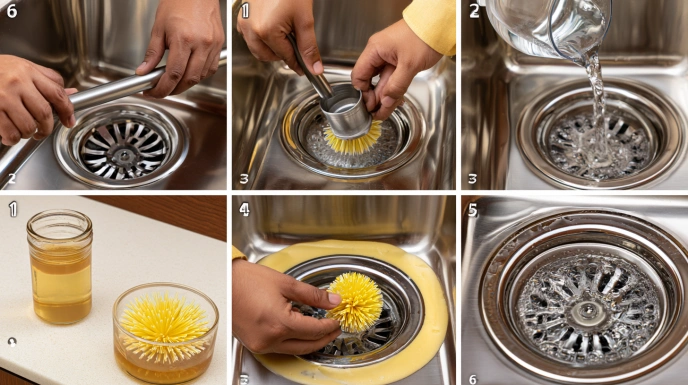 Steps to remove drain flies
Knowing how to get rid of drain fleas requires destroying their sticky breeding ground. Follow these targeted steps for immediate relief.
- Step 1: Scrub the drain - Remove the cover and brush the inside of the pipe to break up the sludge.
- Step 2: Flush with water - Pour a bucket of hot tap water to wash away the dislodged hair and grease.
- Step 3: Apply an enzyme cleaner - Pour a biological drain gel along the edges to digest any remaining biofilm.
- Step 4: Set a trap -Place a bowl of apple cider vinegar with dish soap nearby to catch adult fliers.
For Indian homes with rarely used floor drains: the P-trap (U-bend under the drain) dries out and lets drain flies through; fix this by pouring half a bucket of water down the drain once a week, plus a cup of white vinegar to slow evaporation.
How to Get Rid of Sewer Fleas (Sewer Flies)
Deep plumbing issues require a different approach. Learning how to get rid of sewer fleas means addressing the main entry points in your property.
- Refill dry traps: Pour water into unused basement drains to restore the protective water barrier.
- Use main-line gels: Pour an industrial enzyme opener down the lowest floor drain to dissolve deep sludge.
- Seal exterior chambers: Apply cement to cracks around outdoor concrete manholes and septic tank lids.
- Install anti-odor traps: Upgrade floor grates to mechanical one-way flaps that block emerging pests.
When to call a plumber: Call a professional plumber immediately if you smell raw sewage gas or notice water leaking from the base of your western toilet, as the wax seal has failed.
Home Remedies to Get Rid of Drain Fleas Naturally
 Home remedies for drain flies
You can eliminate minor pipe problems using basic household ingredients. Here is how to get rid of fleas in drains naturally without buying harsh chemicals.
- Baking soda and vinegar flush: Pour half a cup of baking soda and one cup of white vinegar down the pipe. Let the foaming reaction sit overnight to break down the biofilm.
- Hot water flush: Kills larvae instantly by melting the grease that holds them. Run hot tap water for five minutes, but avoid boiling water on PVC pipes to prevent melting.
- Apple cider vinegar trap: Similar to get rid of cockroaches with natural baits, mix apple cider vinegar and dish soap in a bowl. Cover with pierced plastic to drown the adults.
- Neem water: Boil a handful of fresh neem leaves, let the water cool slightly, and pour it into the sink. The natural antibacterial properties deter insects from laying new eggs.
- Salt flush: Mix coarse rock salt with baking soda to create an abrasive powder. Pour it down the kitchen sink, then follow with vinegar to scrub away thick food grease.
How to Get Rid of Fleas in Your House
If the insects are not near drains and they are jumping, those are real fleas, not drain flies; real fleas are reddish-brown, hard-bodied, and bite. Follow these steps to learn how to effectively get rid of fleas in indoor environments.
- Vacuum every room: Thoroughly vacuum all carpets, rugs, and furniture daily to capture hidden eggs.
- Dispose of bags outdoors: Empty the vacuum dustbin into an outside trash can immediately to prevent escape.
- Wash all bedding: Launder your sheets, blankets, and pet beds in very hot water to kill larvae.
- Apply household sprays: Treat baseboards and fabric surfaces with a botanical spray or insect growth regulator.
- Treat your pets: Clean your animals at the same time, as they continually carry pests indoors.
How to Get Rid of Fleas on Cats
Felines are sensitive to insect treatments. If you want to know how do you get rid of fleas on cats naturally or with standard products, review these options.
Flea comb
- What: fine-toothed metal comb run through the coat; dip in soapy water between passes
- Best for: mild infestations and checking if fleas are present
- Cost cue: cheapest option, no chemical needed
- Tip: start at the neck and work toward the tail; fleas move toward the head
Flea shampoo bath
- What: cat-specific flea shampoo lathered and left for 5 minutes, then rinsed
- Best for: active infestation, quick knockdown
- Cost cue: affordable one-time use; available at pet stores
- Tip: never use dog flea shampoo on cats; it can be toxic
Spot-on topical treatment
- What: applied between the shoulder blades monthly; brands like Frontline Plus or Advantage
- Best for: ongoing prevention and active infestations
- Cost cue: mid-range; most cost-effective long-term
- Tip: do not bathe the cat for 48 hours after applying
Flea collar
- What: continuous-release chemical collar worn around the neck
- Best for: prevention after the active infestation is cleared
- Cost cue: mid-range; lasts 6 to 8 months depending on brand
- Tip: check the fit; two fingers should fit under the collar
Warning: Never use any product labelled "for dogs only" on cats; permethrin is toxic to cats.
How to Get Rid of Fleas on Dogs
Canines often bring jumping insects inside from the yard. Understanding how to get rid of fleas on dogs requires targeted treatments suited to their outdoor lifestyle.
- Flea shampoo bath: Lather your dog with a medicated pet shampoo, then leave it on for 10 minutes before rinsing. This provides immediate relief by washing away biting adults and soothing irritated skin.
- Spot-on topical treatment: Apply liquid medication to the skin at the back of the neck. This reliable method kills existing pests and prevents new eggs from hatching for thirty days.
- Oral flea treatment: Administer a veterinarian-prescribed chewable tablet that works through the bloodstream. This is effective for severe infestations, killing biting insects within hours of ingestion.
- Flea collar: Equip your dog with a durable chemical-based collar that continuously repels insects. This cost-effective barrier is excellent for dogs that spend significant time walking through tall outdoor grass.
How to Get Rid of Fleas on Kittens
Important safety note first: Most flea products are NOT safe for kittens under 8 weeks; always check the label's minimum age before using anything.
For kittens under 8 weeks:
- Flea comb only: the safe method for very young kittens.
- Warm soapy water bath using mild dish soap; the soap drowns fleas; rinse thoroughly.
- Dry the kitten immediately and keep it warm; kittens cannot regulate body temperature.
For kittens over 8 weeks:
Advantage II is approved from 8 weeks; Frontline Plus from 8 weeks; always confirm the weight minimum on the label.
Caution: Never use flea spray, flea powder, or adult cat flea collars on kittens.
How to Get Rid of Fleas on Humans
While pests prefer animals, they will target humans when hungry. Learning how to get rid of fleas on humans and how to get rid of fleas on people involves basic hygiene and symptom relief.
- Wash with soap: Clean the itchy bites with gentle soap and water immediately to prevent secondary bacterial infections from excessive scratching.
- Apply soothing creams: Rub an over-the-counter hydrocortisone cream or calming calamine lotion onto the skin to reduce redness and inflammation.
- Use insect repellent: Spray your ankles, socks, and lower legs with standard bug repellent to deter the insects from jumping onto you.
- Launder worn clothes: Wash your trousers, socks, and bedsheets in the hottest water setting to eliminate any hidden pests trapped within the fabric.
Indian apartment-specific note: Since Indian apartments often have open balconies for drying clothes, shake your laundry before bringing it indoors to prevent pests from hiding in the damp fabric.
How to Prevent Drain Fleas and Home Fleas from Returning
After solving the current issue, you must implement long-term strategies. Just like learning get rid of mosquitoes requires removing stagnant water, preventing drain flies means keeping pipes clean.
Drain prevention:
- Install fine stainless steel mesh covers over every bathroom floor drain to block adult insects.
- Pour a capful of standard floor disinfectant down the pipes as part of your weekly bathroom cleaning routine.
- Fix slow leaks under washbasins to eliminate the stagnant standing water that attracts breeding pests.
Flea prevention:
- Administer monthly preventive topical treatments to your pets year-round, avoiding seasonal lapses.
- Vacuum your carpets, curtains, and living room rugs twice a week to quickly capture stray eggs.
- Wash your pet's sleeping mats and bedding every two weeks in hot water to disrupt the breeding cycle.
When to Call a Professional Pest Control Service
Knowing how to get rid of drain fleas at home is useful, but sometimes severe infestations persist. Call a professional plumber or pest expert if flies remain after two weeks of enzyme treatments, as your main sewer line may be compromised. For a jumping insect infestation, if daily vacuuming and pet treatments fail after four weeks, you need an exterminator to apply commercial-grade insect growth regulators. NoBroker offers expert pest control services for both drain issues and flea infestations to keep your home healthy.
Frequently Asked Questions
Q1.Are drain fleas the same as drain flies? Yes, the term drain flea is just a common, incorrect name for the drain fly. They are tiny, moth-like insects that live in plumbing sludge.
Q2. Do drain fleas bite? No, drain flies do not have biting mouthparts. They cannot bite humans or pets, unlike real jumping fleas, which survive by feeding on blood.
Q3. How long does it take to get rid of drain fleas? With consistent daily pipe scrubbing and overnight enzyme treatments, a standard household infestation usually clears fully within 7 to 14 days.
Q4.Can fleas spread to other rooms? They are very weak fliers, so they generally stay within a few feet of their breeding drain and rarely spread to dry living areas.
Q5.How do I know if I have drain flies or real fleas? Drain flies are fuzzy, fly clumsily, and stay near sinks. Real fleas are hard-bodied, jump high, stay near pets, and leave itchy bites.
Q6. Can cats get fleas indoors? Yes, indoor cats can catch them if a stray pest is carried inside on your shoes, clothing, or by another visiting pet.
Q7. What is the fastest way to get rid of fleas in the house? The quickest method is to wash all bedding in hot water, vacuum every floor daily, and apply a spot-on treatment to your pets simultaneously.
Q8.Is bleach effective for drain flies? Bleach kills surface larvae but fails to dissolve the thick organic pipe slime. Enzyme cleaners are far more effective for destroying the actual breeding ground.
Most Viewed Articles
I'm Suju, an alchemist turned content writer from the enchanting land of Coorg. I love infusing my words with a touch of magic, creating engaging blogs, and informative articles And I have a deep passion for crafting beautiful poems.
Loved what you read? Share it with others!




 ✕
✕



 Full RM + FRM support