
- https://www.legalparihar.in/blog/must-included-clauses-in-a-rent-agreement-landlord-and-tenant-guide
- https://www.nitinbhatia.in/rent-agreement-must-have-clauses/?srsltid=AfmBOop9axXUzIVZS9bSDtNW5e8OUb66IqUPSWdD0Bua94GgE_IBYMTT
- https://cleartax.in/s/rental-agreement-format-download
- https://www.nobroker.in/blog/tenant-causing-damage-to-property/
- https://www.nobroker.in/lease-agreement/guides/indemnity-clause-in-lease-agreement/
- https://economictimes.indiatimes.com/wealth/legal/will/rent-agreements-must-have-these-clauses-to-protect-landlords-rights/articleshow/104571151.cms?from=mdr
- https://economictimes.indiatimes.com/wealth/legal/will/rent-agreements-must-have-these-clauses-to-protect-landlords-rights/articleshow/104571151.cms?from=mdr
- https://economictimes.indiatimes.com/wealth/real-estate/10-most-important-clauses-in-a-rent-agreement/list-of-fittings-and-fixtures-wear-and-tear-of-property/slideshow/110992668.cms?from=mdr
- https://www.rent.com/blog/dictionary/wear-and-tear-clause/
- https://housewise.in/blog/custom-rent-agreement-clauses-india/
Rental Agreement Damage Clause: Tenant Liability, Repairs & Security Deposit Deductions
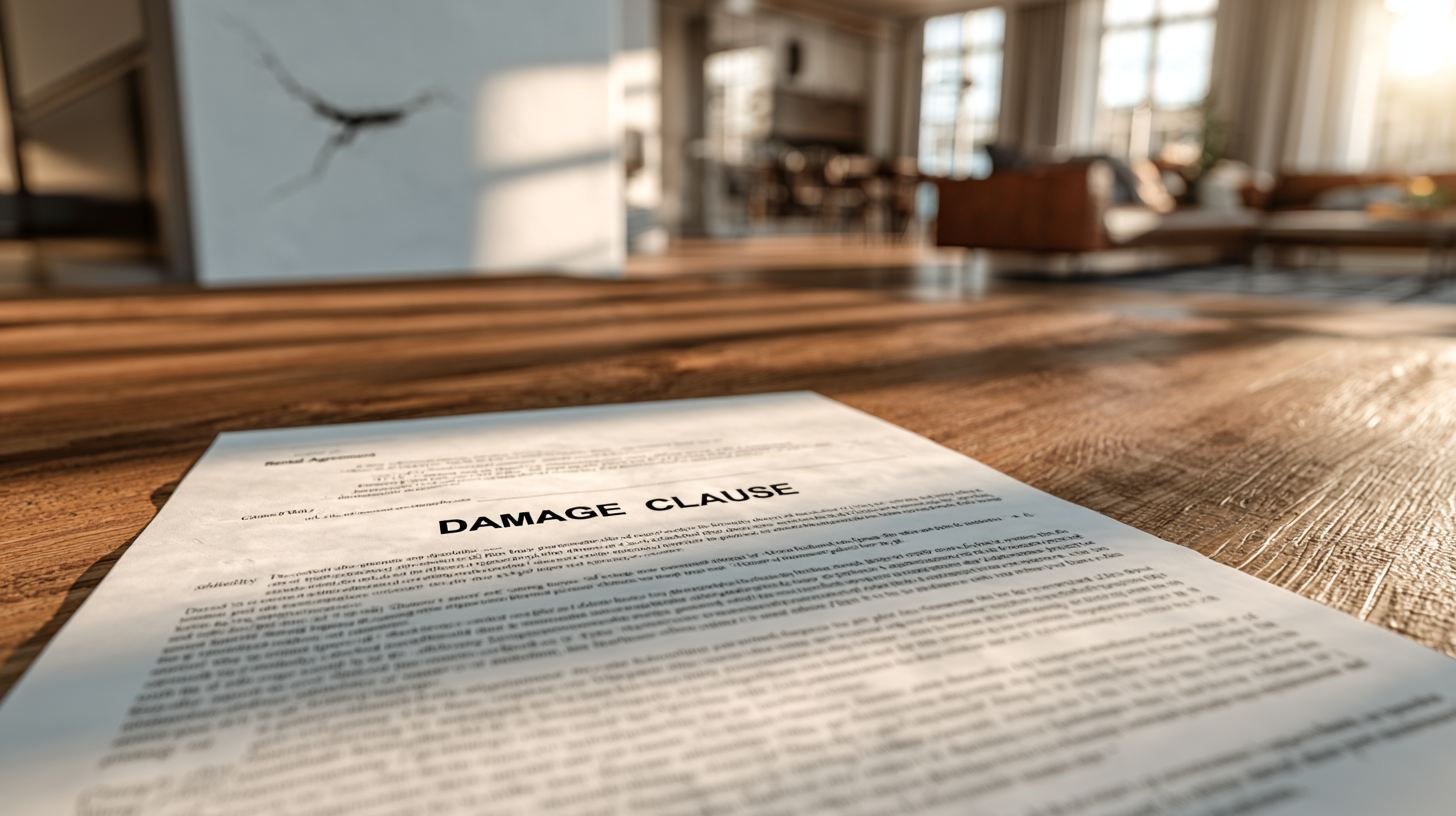

Rental Agreement

8 Views
Table of Contents
Renting a property involves a delicate balance of trust and financial responsibility between the landlord and the tenant. At the end of a lease, disagreements over the apartment's final condition often lead to bitter arguments over security deposit refunds. The most effective way to prevent these conflicts is to draft a clear, legally binding rental agreement with a damage clause from the very beginning. This specific section of your lease serves as the ultimate rulebook, dictating who pays for broken windows, cracked tiles, or faded paint. This guide explains how a damage clause works, how to distinguish true property damage from everyday wear and tear, and the best practices for drafting a clause that protects both parties under Indian rental laws.
What Is a Property Damage Clause in a Rental Agreement?
To understand your financial liabilities during a tenancy, you must first define the legal boundaries of property upkeep. A property damage clause in rental agreements establishes the tenant's responsibility for damages caused by negligence, misuse, accidents, or unauthorized alterations, while distinguishing such damage from ordinary wear and tear. This clause serves as a financial shield for the landlord, ensuring they do not have to pay out of pocket to repair structural damage caused by a careless occupant. Simultaneously, it protects the tenant from being charged for minor, expected deterioration that naturally occurs as a house ages.
Why Is a Damage Clause Important in a Rent Agreement?
Without this legal framework, rental agreement terminations often end up in civil court, with both sides disputing repair invoices and withheld funds.
- Clarifies repair responsibilities: It clearly dictates whether the landlord or the tenant must call and pay for the plumber when a sink breaks.
- Protects the landlord's property: It deters tenants from treating the house carelessly, knowing they are legally and financially liable for any damage.
- Prevents disputes over damages: It provides a predefined, written framework for resolving arguments over who broke a specific fixture.
- Supports fair security deposit deductions: It grants the landlord the exact legal authority needed to withhold funds to cover repair costs.
- Establishes accountability during tenancy: It ensures that the tenant understands they must maintain the home's structural integrity throughout their stay.
Key Components of a Damage Clause
For a rent agreement damage clause to hold up in an Indian court, it cannot be a vague, one-line statement. It must contain specific, actionable parameters that define the rules for property maintenance.
- Definition of property damage: Explicit language separating deliberate, negligent destruction from the natural ageing process of the building.
- Tenant repair obligations: Rules that dictate whether the tenant must fix the damage immediately or reimburse the landlord later.
- Reporting requirements for damages: A mandate requiring the tenant to immediately inform the landlord if a major structural issue, such as a burst pipe, occurs.
- Landlord inspection rights: A clause granting the owner permission to enter and evaluate the property after providing reasonable advance notice.
- Security deposit adjustment provisions: The exact financial mechanism explaining how repair costs will be subtracted from the final refund.
- Exceptions for normal wear and tear: A legal exemption ensuring the tenant is not penalized for unavoidable, everyday use.
Damage Clause vs Wear and Tear Clause
In Indian real estate, the distinction between these two concepts is the most debated topic during the final nobroker rent agreement handover. Understanding the difference is important for securing your full deposit.
| Feature | Damage Clause | Wear and Tear Clause |
|---|---|---|
| Purpose | Addresses physical harm caused by neglect, accidents, or misuse. | Addresses the natural deterioration of a property from everyday use. |
| Liability | The Tenant is financially liable for the repair costs. | The Landlord bears the cost as part of general property upkeep. |
| Security Deposit Impact | Repair costs are deducted from the tenant's security deposit. | Cannot be legally deducted from the tenant's security deposit. |
| Cause | Preventable actions, deliberate negligence, or rule violations. | Unpreventable aging, sunlight exposure, and standard daily living. |
| Examples | Smashed windows, burnt carpets, or unauthorized dark wall paint. | Faded wall paint, minor floor scuffs, or slightly loose door hinges. |
Common Examples of Property Damage Covered by a Damage Clause
When a landlord invokes a damage clause, they are specifically targeting issues that require professional repair or complete fixture replacement due to tenant carelessness.
- Broken doors or windows: Shattered glass panes or splintered wooden bedroom doors caused by forced entry or aggressive slamming.
- Holes in walls beyond normal use: Massive gaps left by unauthorized heavy TV mounts or aggressive drilling, rather than tiny picture frame nail holes.
- Damaged flooring or tiles: Deeply chipped kitchen tiles or severe, dark burn marks on hardwood floors caused by dropped appliances or neglected spills.
- Broken fixtures and fittings: Sockets physically ripped out of the wall, shattered bathroom mirrors, or severely clogged plumbing due to foreign objects.
- Unauthorized property alterations: Painting the living room bright red or installing permanent structural dividers without the landlord's written consent.
- Pet-related damage: Deep scratches on wooden baseboards, torn window screens, or persistent foul odors caused by unmanaged pets.
Examples of Damage Not Usually Attributed to Tenants
Landlords cannot use the security deposit to fund a free renovation. Indian courts prevent owners from charging tenants for the inevitable aging of a building.
- Natural aging of the property: The slow dulling of exterior brickwork or the gradual stiffening of old window tracks over several years.
- Fading paint due to sunlight: Yellowing or slight peeling of balcony wall paint caused by natural weather exposure and UV rays.
- Minor carpet wear from ordinary use: Slight flattening or fading of carpets in high-traffic hallways where residents walk daily.
- General deterioration over time: Rusty, old plumbing pipes that naturally begin leaking, or a 15-year-old geyser that stops heating water.
- Structural defects unrelated to tenant actions: Roof seepage from monsoon rains or cracks caused by the building's foundation settling.
How to Create a Damage Clause in a Rental Agreement
Drafting an airtight damage clause section requires balancing strict financial accountability with fair exemptions. A well-written draft leaves zero room for subjective interpretation.
Define Property Damage Clearly
Explain that the agreement should clearly distinguish damage from ordinary wear and tear. You must list examples of what constitutes negligent destruction versus what is considered acceptable daily aging.
Specify Tenant Responsibilities
Mention that tenants should be responsible for damages caused by negligence, misuse, or unauthorized activities. State clearly that the tenant must also pay for the actions of their family members, guests, and pets.
Include Reporting Requirements
Explain that tenants should promptly notify landlords about any property damage. Mandate a timeline, such as reporting massive water leaks within 24 hours, to prevent small issues from destroying the surrounding structure.
Outline Repair and Replacement Procedures
Mention how repairs will be carried out and who will bear the associated costs. Specify whether the tenant must hire their own vendor to fix the broken window or if the landlord will manage the repair and send them the invoice.
Address Security Deposit Deductions
Explain when and how damage-related deductions may be made from the security deposit. The clause must authorize the landlord to subtract verified repair costs and mandate that they provide the tenant with an itemized invoice of the deductions.
Establish Inspection Procedures
Mention that move-in and move-out inspections help assess damage fairly and accurately. Include a provision allowing the landlord to conduct a final walkthrough on the exact day the tenant vacates to finalize the deduction sheet.
Documents Required to Support a Damage Clause
A clause is only enforceable if you have the evidence to back it up. If a dispute reaches an Indian Rent Tribunal, verbal claims carry no weight without supporting documentation.
- Signed rental agreement: The primary, legally stamped document containing the agreed-upon damage and wear-and-tear definitions.
- Property inventory report: A signed annexure attached to the lease detailing the exact number of fans, ACs, and geysers provided.
- Move-in inspection report: A checklist confirming the house was delivered in a clean, tenantable condition with zero existing defects.
- Move-out inspection report: The final checklist that notes all new damage discovered on the day the tenant hands back the keys.
- Property photographs or videos: Timestamped visual evidence taken on day one and the final day to prove the destruction occurred during the tenancy.
- Repair estimates and invoices: Official bills from plumbers, electricians, or carpenters that document the exact cost the landlord incurred to repair the damage.
Damage Clause and Security Deposit Deductions
In states enforcing the Model Tenancy Act, the security deposit is regulated. A landlord cannot arbitrarily withhold the entire deposit because of a minor scratch. Proper documentation and inspection records help justify damage-related claims and reduce disputes. The landlord must provide a detailed, itemized breakdown of every deduction, matching the repair invoices, before transferring the remaining balance back to the tenant's bank account. If the repair costs exceed the total deposit held, the clause must legally bind the tenant to pay the remaining deficit within a fixed timeframe.
Common Mistakes in Property Damage Clauses
Relying on generic internet templates often leaves massive legal loopholes. Avoiding these structural errors ensures your lease remains legally enforceable and your property protected.
- Failing to define damage clearly: Using vague terms like "keep clean" without specifying what happens if the tenant breaks a specific fixture.
- Ignoring wear and tear distinctions: Attempting to force the tenant to pay for natural paint fading, which is legally unenforceable and leads to tribunal disputes.
- Not documenting property condition at move-in: Skipping the initial photographic inventory makes it impossible to prove the tenant caused the new wall cracks.
- Using vague repair obligations: Failing to specify a timeline for when the tenant must reimburse the landlord for the broken window invoice.
- Omitting inspection procedures: failing to secure the legal right to enter and inspect the premises, leaving the landlord blind to ongoing structural damage.
How NoBroker Can Help With Rental Agreements
Navigating the complexities of tenant liabilities requires precise legal phrasing to ensure your financial assets remain protected. NoBroker assists landlords and tenants with drafting rental agreements, clause customization, tenancy documentation, registration support, and legal guidance to create clear, enforceable rental agreements. Whether you need a robust rental agreement damage clause that outlines security deposit deduction procedures or a detailed property inventory annexure, our verified legal experts simplify the process. NoBroker helps draft watertight contracts, calculate exact state stamp duty, and organize online registrations, ensuring your tenancy begins without future disputes over property damage.
Frequently Asked Questions
What is a damage clause in a rental agreement?
It is a specific legal provision that dictates who is financially responsible for repairing property damage caused by a tenant's negligence, misuse, or unauthorized alterations during the lease.
What is the difference between a damage clause and a wear and tear clause?
A damage clause covers preventable destruction (such as broken windows) that the tenant pays for, while a wear-and-tear clause covers natural aging (such as faded paint) that the landlord pays for.
Can landlords deduct repair costs from a security deposit?
Yes, if the rental agreement contains a clear damage clause, the landlord is legally authorized to deduct the exact, documented cost of repairs from the tenant's refundable security deposit.
What types of damage are tenants usually responsible for?
Tenants are responsible for negligent or deliberate damage, such as deeply scratched floors, shattered bathroom mirrors, unauthorized paint jobs, or severe plumbing clogs caused by improper use.
How can landlords prove property damage?
Landlords should conduct a joint move-in inspection, take timestamped photos and videos, and attach a signed inventory checklist to the lease for comparison with the final move-out condition.
Can a landlord charge a tenant for faded wall paint?
Generally, no. Faded wall paint is considered normal wear and tear due to natural sunlight and aging, and it is the landlord's responsibility to maintain it.
What happens if the damage cost exceeds the security deposit?
A robust damage clause will state that if repair invoices exceed the total deposit held, the tenant is legally bound to pay the remaining deficit balance within a specified timeframe.
Is an inventory list necessary for a rental agreement?
Yes, attaching an itemized inventory list detailing the condition of all appliances, fans, and fixtures is recommended to prevent disputes about what was provided and its condition.
ARTICLE SOURCES
▼About the Author

Vinay Kulkarni
Senior Editor
Hi, I am a legal professional with experience in rental documentation, tenant-landlord compliance, and property-related legal processes. I regularly research and write about rent agreements, rental laws, registration procedures, e-stamping, and tenant documentation to simplify complex legal formalities for everyday users. My goal is to provide clear, practical, and reliable guidance that helps individuals complete rental documentation smoothly and confidently....


Recent Blogs
Subscribe to our Newsletter
Get latest news delivered straight to your inbox