



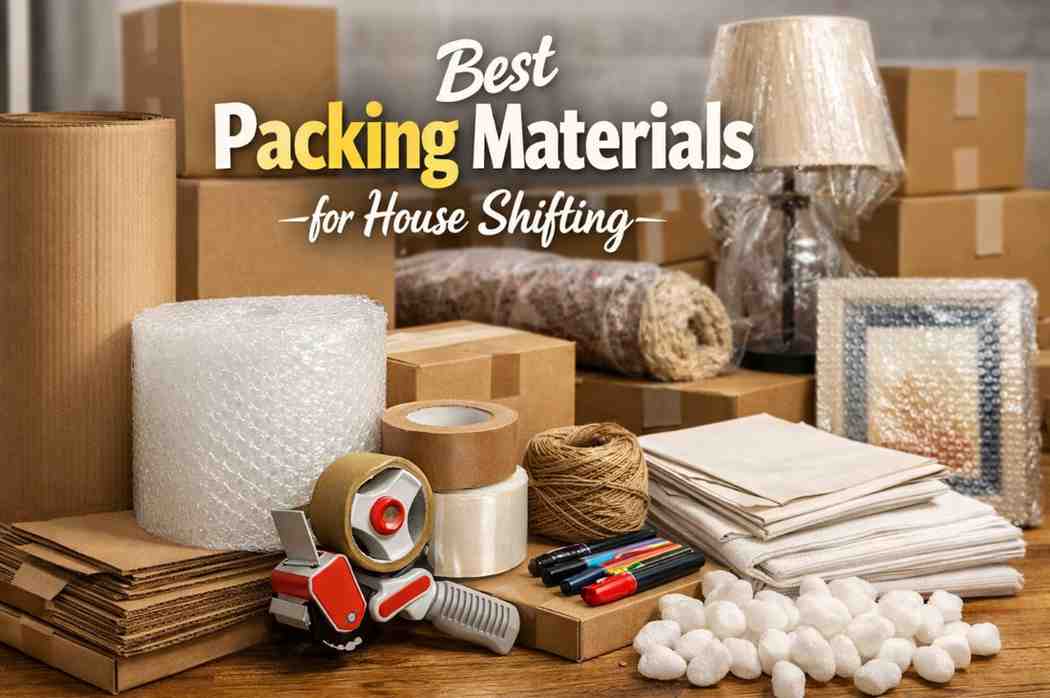


Using the best packing materials for house shifting is not just a recommendation; it is a necessity to ensure your electronics, heirloom furniture, and fragile kitchenware arrive in one piece. By investing in professional-grade supplies, you eliminate the stress of broken items and the hidden costs of replacements. This guide outlines the essential materials you need for a seamless transition to your new home.
Why Choosing the Right Packing Materials Matters?
In the world of relocation, the foundation of a successful move lies in the durability of the layers protecting your goods. Selecting the best packing materials for house shifting helps prevent common mishaps during loading, transit, and unloading.
- Shock Absorption: High-quality materials like double-walled boxes and bubble wrap act as a shield, absorbing vibrations and impacts from uneven Indian roads.
- Weather Protection: In humid coastal regions or during the monsoon, specialized wraps prevent moisture from seeping into cardboard and damaging sensitive electronic circuits.
- Structural Integrity: Using the correct box grade ensures the bottom doesn't burst under the weight of heavy books or kitchen appliances when lifting.
- Surface Safeguarding: Soft internal layers and furniture blankets prevent expensive wooden finishes or upholstered sofas from getting unsightly scratches, dents, or dust stains.
- Cost Efficiency: While premium materials have an upfront cost, they save significant money by preventing the loss of high-value items and reducing insurance claims.
Essential Packing Materials for House Shifting
Building a toolkit of reliable supplies is the first step toward an organized move. To achieve a professional level of safety, you must move beyond old grocery cartons and use the best heavy-duty packing materials designed for house shifting.
Corrugated Cardboard Boxes
For a household shift, it is important to use 5-ply heavy-duty boxes for weightier items like books and 3-ply boxes for lighter goods. These containers protect their contents from being crushed when stacked atop one another in the moving truck.
Bubble Wrap
Bubble wrap is an indispensable cushioning material specifically designed to protect delicate things. By wrapping items individually in multiple layers, you create a protective "air cushion" to prevent damage in case of accidental drops or shifts during the bumpy transit process.
Packing Paper / Newspaper
While many people use old newspapers, the ink often smudges and ruins expensive porcelain or white fabric. Using dedicated packing paper reduces surface friction and fills small gaps in boxes, ensuring items remain completely immobile throughout the journey.
Stretch Wrap
Stretch wrap, also known as plastic film, is particularly useful for wrapping sofas and mattresses to shield them from dust and monsoon moisture. Additionally, it helps keep drawers and cabinet doors securely shut during the move, preventing mechanical damage to the furniture's hinges.
Foam Sheets
Unlike bulkier materials, foam provides excellent scratch resistance without adding significant volume to the package. It is often used as a divider between stacked plates or as a wrap for high-value electronic gadgets that require a soft touch.
Packing Tape
Heavy-duty, pressure-sensitive packing tape is required to reinforce the bottom and top seams of every carton. Using low-quality stationery tape poses a major risk, as it can peel off under the weight of the contents, leading to the box opening mid-transit and causing total loss of the contents.
Furniture Blankets / Moving Pads
Thick moving blankets or furniture pads are essential for shielding large appliances and heavy wooden furniture from dents. When navigating narrow hallways or lifting items onto a truck, these pads act as a buffer against hard surfaces. They are reusable and provide a much higher level of protection than simple plastic wrap, especially for high-end dining tables and wardrobes.
Thermocol / Foam Peanuts
In India, thermocol is frequently used to line the corners of boxes containing televisions or microwaves to absorb high-impact shocks. Foam peanuts are perfect for irregularly shaped items, ensuring they stay centered and secure regardless of how the box is tilted.
Packing Materials for Different Household Items
To utilize the best packing materials for house shifting, you must tailor your strategy to the specific fragility and weight of the items you are moving.
Packing Materials for Furniture
Furniture protection focuses on maintaining the finish and securing moving parts. Large pieces require a combination of soft and hard layers to survive the physical demands of a long-distance relocation.
- Stretch Film: Used to waterproof upholstered items and keep drawers from sliding open during the loading process.
- Moving Blankets: Essential for preventing deep scratches and dents on wooden surfaces during movement through tight spaces.
- Corrugated Sheets: Often wrapped around table legs and corners to provide a rigid shield against heavy impact.
- Heavy-Duty Tape: Used to secure the blankets and sheets firmly around the furniture without leaving adhesive residue on the wood.
- Corner Protectors: Small foam or cardboard guards that prevent the sharp edges of glass tables or mirrors from chipping.
Packing Materials for Fragile Items
Fragile goods like crystal, bone china, and artwork require the highest level of cushioning. The goal is to eliminate any internal movement within the box to prevent collisions between delicate items.
- Anti-Static Bubble Wrap: Provides the necessary air cushion while preventing the buildup of static electricity on delicate surfaces.
- Honeycomb Paper: A sustainable alternative that expands to provide excellent shock absorption for glassware and ceramic vases.
- Divided Boxes: Specialized cartons with internal cardboard partitions that keep individual glasses and bottles from touching each other.
- Packing Paper: Used to wrap every item individually to prevent surface scratches and to fill the hollow centers of cups.
- Fragile Labels: Brightly colored stickers that alert the movers to handle the specific box with extreme care and precision.
Packing Materials for Electronics
Electronics are sensitive to both physical shock and environmental factors like dust and moisture. They require structured packing to protect their internal circuitry and external screens.
- Original Packaging: If available, the original box with its custom-moulded foam is always the safest option for transport.
- Thermocol Sheets: Used to line the four sides of a box to provide a rigid, shock-absorbent shell for monitors and TVs.
- Anti-Static Bags: Essential for protecting motherboards, hard drives, and gaming consoles from internal electronic damage during transit.
- Cable Ties: Used to neatly bundle power cords and HDMI cables, preventing them from tangling or scratching the screens.
- Silica Gel Packets: Placed inside the boxes to absorb residual moisture and prevent corrosion in India's humid climates.
Packing Materials for Kitchen Items
Kitchen packing is often the most time-consuming because of the variety of sharp, heavy, and fragile items. Proper containment and organization are key to a successful kitchen move.
- 5-Ply Corrugated Boxes: Required for heavy stacks of plates and heavy "masala" grinders to prevent the box from collapsing.
- Ziploc Bags: Perfect for keeping small items like spice jars, spoons, and cabinet hardware organized and leak-free.
- Cushioning Peanuts: Used to fill the gaps between nested pots and pans to prevent them from rattling and scratching.
- Stretch Wrap: Effective for sealing open containers or bundles of cutlery to keep them together during shifting.
- Clean Newsprint: Provides an affordable way to wrap everyday stainless steel utensils and plastic containers without leaving ink stains.
Eco-Friendly Packing Materials for Moving
Using eco-friendly best packing materials for house shifting reduces plastic waste while providing comparable protection for your belongings.
- Honeycomb Paper Wrap: A 100% recyclable kraft paper that expands into a 3D structure, offering superior shock absorption for glassware.
- Biodegradable Peanuts: Made from cornstarch, these peanuts provide the same cushioning as plastic but dissolve in water after use.
- Recycled Cardboard Boxes: Choosing boxes made from post-consumer waste helps reduce the demand for new paper and saves trees.
- Water-Activated Tape: A paper-based tape with natural adhesives that is fully compostable and offers a very strong, tamper-evident seal.
- Reusable Cloth Bags: Traditional Indian gunny or cloth bags are perfect for packing linens and clothes, eliminating the need for plastic.
Common Packing Material Mistakes to Avoid
Even with the right supplies, poor technique can lead to failure. To truly benefit from the best packing materials for house shifting, you must avoid these common errors.
- Overloading Large Boxes: Filling a large box with heavy books makes it impossible to lift and likely to collapse from the bottom.
- Using Old Weak Boxes: Reusing grocery boxes that are damp or infested with pests can lead to box collapse and hygiene issues.
- Skimping on Padding: Failing to line the top and bottom of a box with cushioning leaves the items vulnerable to floor impacts.
- Inadequate Tape Usage: Using masking or duct tape, which can peel off in high heat, instead of strong pressure-sensitive packing tape.
- Lack of Specific Labeling: Marking boxes generically as "Stuff" or "Room 1" makes the unpacking process disorganized and extremely stressful.
How NoBroker Packers and Movers Use Packing Materials
NoBroker Packers and Movers utilize sophisticated and safe ways of house shifting. Their team of professionals arrives with a high-grade toolkit that includes 5-ply corrugated boxes, premium bubble wrap, and specialized stretch film. For high-value electronics, they employ reinforced foam sheets and thermocol lining to neutralize vibrations on long-distance routes. Using moving blankets for furniture and wardrobe boxes for formal wear provides a level of care that prevents even the smallest scratches. Their expertise in choosing the right material for the right item ensures a damage-free experience, allowing you to settle into your new home with total peace of mind.