





If you have a green thumb but no backyard space, a terrace garden is the perfect solution. Whether you live in an apartment in Mumbai or have a roof terrace garden in Bangalore, you can grow fresh vegetables, herbs, and flowers in a limited area. This is the best way to have your garden, and you can even grow your own chemical and pesticide-free vegetables when you start terrace farming.
What Do You Need?

You will need to plot out the area that you need and then see to it that it’s waterproof
Recommended Reading
Best Diya Decoration Ideas for Diwali 20...

13.2K Views

Jan 31, 2025
Everything You Need To Know About Vinyl ...
11.8K Views
Jan 15, 2025
Our Cherry-picked List Of The Top 15 Bat...
11.6K Views
Jan 15, 2025
The Benefits and Challenges of Using Bam...
11.6K Views
Jan 31, 2025
Stunning Species of Non-Green Plants Tha...
10.8K Views
Jul 25, 2022
• Containers to start planting
• Adequate sunlight for your plants to grow
• A water source and proper drainage
• Compost
• Seeds or saplings
• Gardening tools
How Do You Start a Terrace Garden?
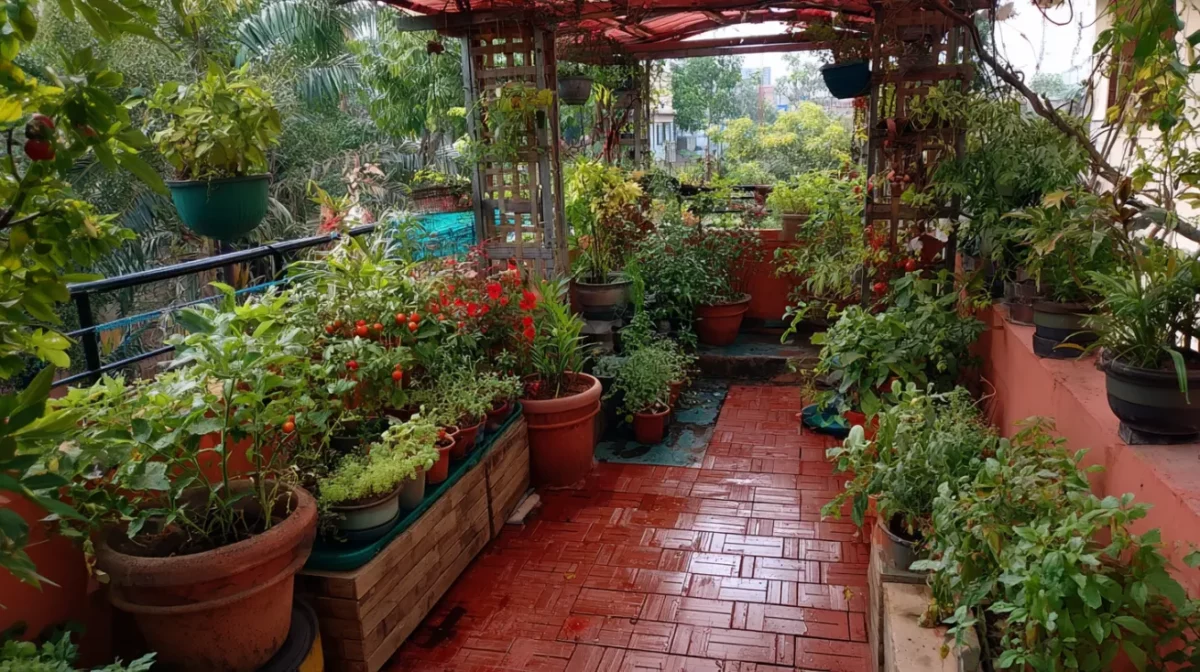
Starting a terrace garden may seem overwhelming, but with the right approach, it becomes simple and rewarding. Follow these easy steps to get started:
- Choose the Right Containers
Use strong containers such as plastic, clay, cement pots, or wooden crates. Ensure they are durable enough to hold soil, water, and plants while giving roots enough space to grow. - Prepare Nutrient-Rich Compost
Mix equal parts of regular soil, compost, coir peat (or sand), and vermicompost. This blend creates a healthy growing medium that supports strong plant growth. - Begin with Easy-to-Grow Plants
Start with hardy and quick-growing options like tomatoes, green chillies, or coriander. These require less effort and give positive results quickly, keeping beginners motivated.
By choosing durable containers, preparing rich soil, and starting with beginner-friendly plants, anyone can set up a thriving terrace garden. Once comfortable with the basics, more varieties can be added to create a lush and diverse rooftop space.
Plan the Layout of the Home Terrace Garden
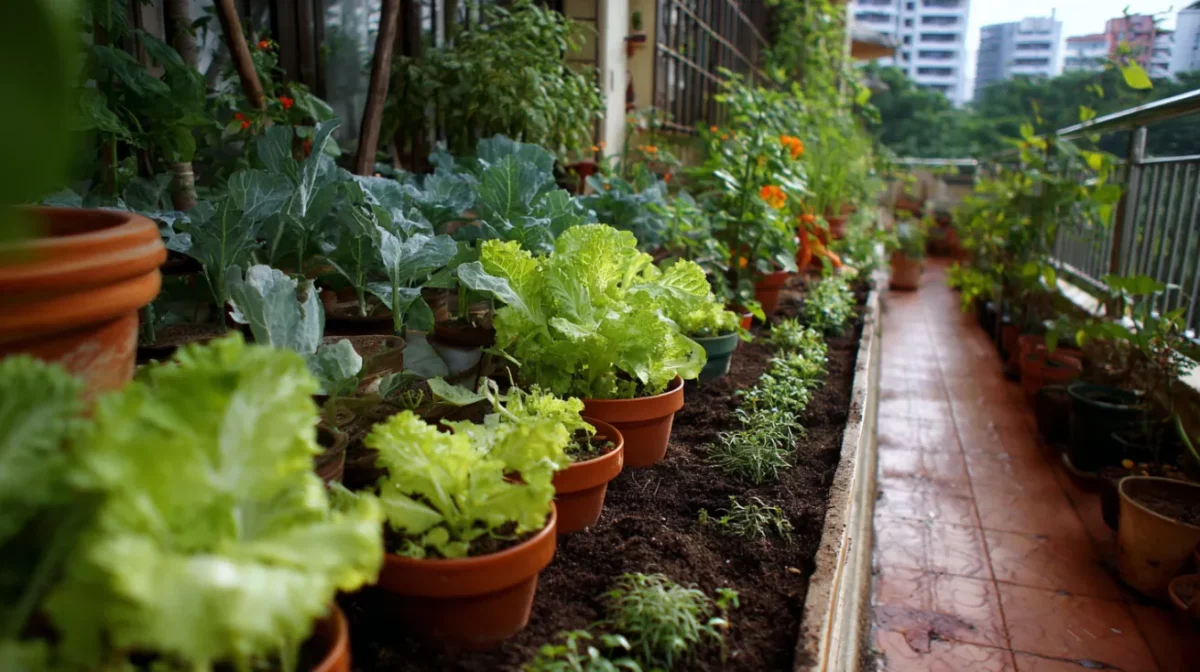
Before you set up your home terrace garden, whether it’s an apartment terrace garden or a spacious roof terrace garden, there are a few things you need to check . Here’s what to keep in mind:
- Check the roof slab for waterproofing, drainage, and wind exposure.
- Ensure there is a reliable water source nearby.
- Decide the placement of pots, raised beds, and planters.
- Keep some space for seating or relaxation.
- Use the limited area efficiently with vertical gardening or compact layouts.
- Identify sunlit zones for vegetables and herbs.
- Use shaded areas for delicate or low-light plants.
- Add shade nets, pergolas, or creepers to protect plants in summer.
- Choose between a soil-covered terrace (lawn look) or pots/raised beds for easy maintenance.
Step-by-Step Guide: Plan the Layout of Your Terrace Garden
A well-planned layout is the foundation of a successful terrace garden. Whether it’s an apartment terrace garden or a spacious roof terrace garden, careful planning ensures both beauty and functionality.
The Steps are as follows:
Step 1: Inspect the Roof Slab
Check for proper waterproofing, adequate drainage, and suitable wind speeds. Ensure there is a suitable water source to support daily irrigation.
Step 2: Map Out the Space
Determine the area that will be allocated for pots, raised beds, or a lawn. Keep pathways clear and allocate space for seating or a lounge if needed.
Step 3: Maximize the Limited Area
Since terrace gardens are smaller than traditional gardens, plan efficiently. Use vertical gardening, rail planters, or multi-tiered shelves to save space.
Step 4: Analyze Sunlight and Shade
Observe which areas get full sun and which remain shaded. Place sun-loving plants (like tomatoes and chillies) in bright zones, and delicate plants in shaded corners.
Step 5: Add Shade Where Necessary
In summer, protect your plants by setting up shade nets, pergolas, or creepers that provide natural cover.
Step 6: Decide the Base Design
Choose between covering the terrace with soil to create a mini-lawn or using containers and raised beds for easy maintenance.
A smart layout ensures that every inch of your terrace is used effectively. With proper planning of sunlight, shade, and space, you can enjoy a thriving green rooftop while also leaving room for relaxation and leisure.
Selecting The Perfect Soil And Containers
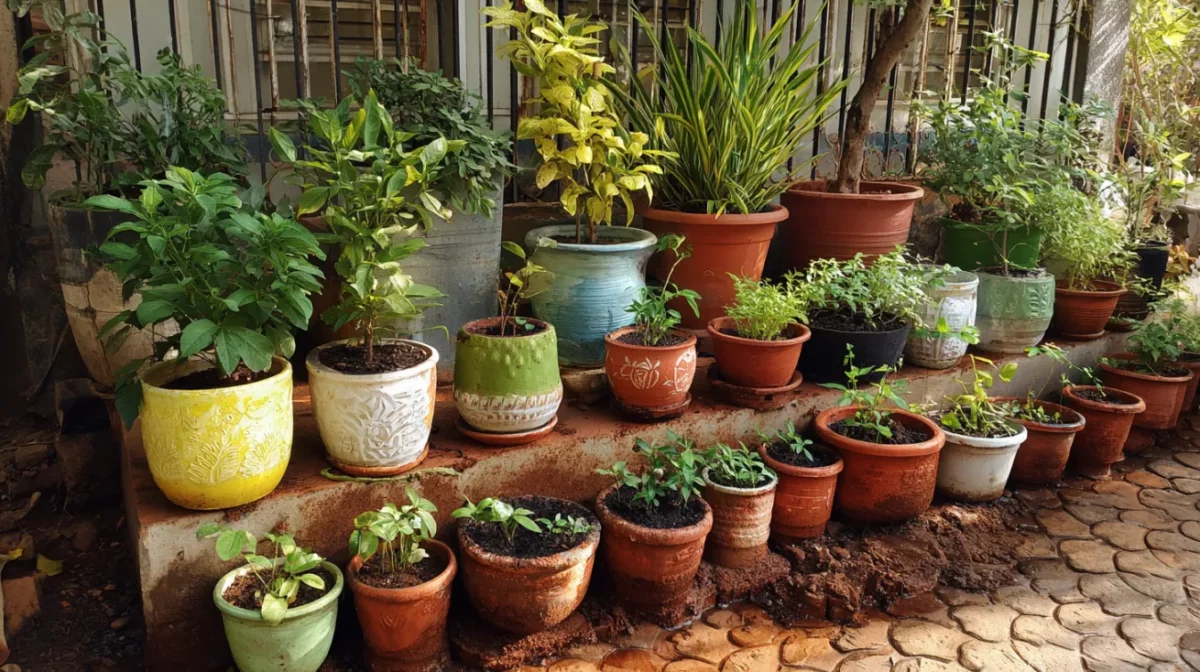
Choosing the right soil and containers is crucial for healthy plant growth in a terrace garden. Different plants thrive in various soil mixes and container types, so selecting wisely will ensure better results.
Pointers to Remember:
- Select soil mix based on plant type (vegetables, herbs, flowers, climbers).
- Use pots, raised beds, or vertical planters depending on available space.
- Raised beds are ideal for vegetables due to their width and soil capacity.
- Vertical gardening with trellises supports creepers and saves space.
- Hanging pots or small planters enhance aesthetics with flowers and herbs.
Best Plant–Soil–Container Combinations
| Soil / Container Type | Ideal Plants | Why It Works |
| Clay Pots with Loamy Soil | Herbs (Coriander, Mint, Basil) | Clay keeps soil cool, loamy mix drains well for herbs. |
| Cement Pots with Compost Mix | Flowers (Jasmine, Marigold, Rose) | Cement pots are durable, and compost-rich soil supports long flowering cycles. |
| Raised Beds with Vermicompost | Vegetables (Tomato, Chilli, Capsicum, Spinach) | Wide beds provide space for roots; vermicompost enriches nutrients. |
| Vertical Trellis + Potting Mix | Creepers (Cucumber, Bottle Gourd, Beans) | Trellis supports climbing growth; light potting mix ensures proper aeration. |
| Hanging Pots with Cocopeat | Ornamental Flowers (Petunia, Lavender, Periwinkle) or Strawberries | Cocopeat retains moisture; hanging pots save space and add decorative appeal. |
Maintenance
Once you plant your sapling it’s important to keep it well hydrated. Overwatering can lead to washing out all the minerals that are in the soil. If you’re unsure about how much water you need to use, just water it every alternate day. It would help if you kept an eye out because the amount of water required varies depending on the season and location of your garden too.
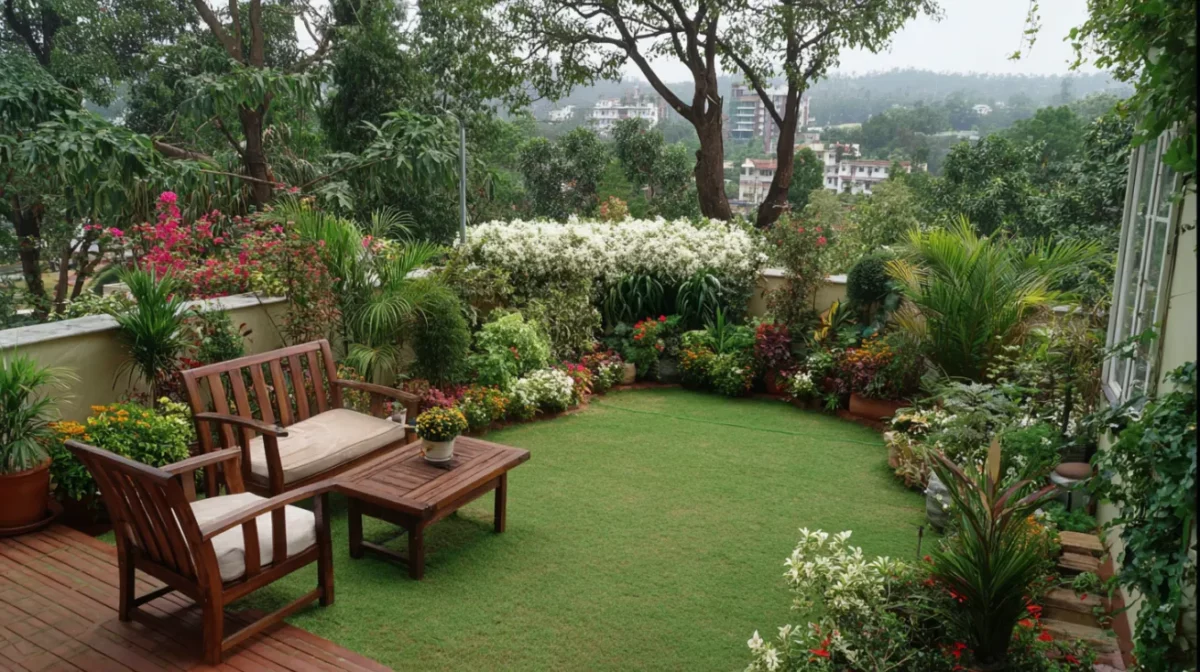
If the leaves of your plant are looking dry or droopy, then you need to water it more often. If the plant looks healthy and the topsoil is moist, you need not worry about watering it too often. In summer, you might need to water your plants once or even twice a day. During winters, you can reduce the number of times you water your plants.
When it’s monsoon time you’ll need to monitor your plants closely, especially if they are in the direct path of the heavy rains. Why do you ask? This is because the life-giving nutrients in the soil get easily washed away and need to be regularly replaced.
It is best to start with small plants. Once you can successfully maintain a few plants, you can then move on to a broader variety. Flowering plants are more challenging to maintain and may take longer to yield the desired results. Remember, to have a successful garden, you need to have patience and perseverance; don’t give up at the first sign of trouble.
How NoBroker Can Help?
Starting a terrace garden is easier when you have the right home and expert support. NoBroker Interiors and Design Guides make it simple by helping you plan your terrace garden design, select the best space-saving layouts, and choose suitable materials. If you are searching for an apartment with terrace space or a roof terrace garden home, NoBroker’s property listings offer verified options without brokerage. Plus, with NoBroker’s professional services, you can connect with garden experts, waterproofing specialists, and interior designers who ensure your terrace is safe, well-planned, and sustainable. Whether you want a compact apartment terrace garden or a large green rooftop, NoBroker helps you design, set up, and maintain it hassle-free.
Summary on How to Start a Terrace Garden?
This blog offers comprehensive information on starting a terrace garden in 2025, including ideas, designs, and maintenance tips. It explains the essentials you need, such as containers, soil, compost, seeds, sunlight, and proper water drainage. Whether for an apartment terrace or a roof terrace. Readers will gain knowledge of how to choose the right layout, select suitable plants, pick the perfect soil and containers, and maintain healthy growth.

