Best Homemade Floor Cleaner Solution: Easy, Natural, and Effective Cleaning Tips


4K Views
Table of Contents
Summary
Homemade Floor Cleaner Solutions are eco-friendly, safe, and budget-friendly alternatives to chemical products. Made with vinegar, baking soda, castile soap, and essential oils, they suit tiles, wood, marble, and granite with surface-specific recipes. Costing just ₹10-₹25 per litre versus ₹100-₹200 for store-bought, these DIY cleaners are child- and pet-safe, customizable, and highly effective with the right cleaning methods.
Homemade Floor Cleaner Solutions are the perfect alternative to costly chemical-based products. Made with simple ingredients like vinegar, baking soda, lemon, or essential oils, these DIY cleaners are safe, eco-friendly, and effective for all floor types. They not only remove dirt and stains but also leave your home fresh and chemical-free, making them ideal for families who prefer natural, affordable, and sustainable cleaning methods.
Homemade Floor Cleaner Solutions for 2026 : A Quick Info
For those in a hurry, here is a glance table of practical and straightforward DIY floor cleaner solutions you can make for the most common floor types found in homes today.
| Floor Type | Simple Homemade Recipe |
|---|---|
| Ceramic & Vitrified Tiles | A solution of equal parts warm water and white vinegar, with a few drops of essential oil added. |
| Sealed Wooden Floors | A heavily diluted solution of warm water with a few drops of mild castile soap or pH-neutral cleaner. |
| Marble & Granite Floors | A solution of warm water with a small amount of rubbing alcohol and a few drops of mild dish soap. |
| General Purpose Cleaner | A simple mix of warm water and a few drops of mild dish soap for daily maintenance on most sealed floors. |
DIY Floor Cleaner Solutions by Floor Type
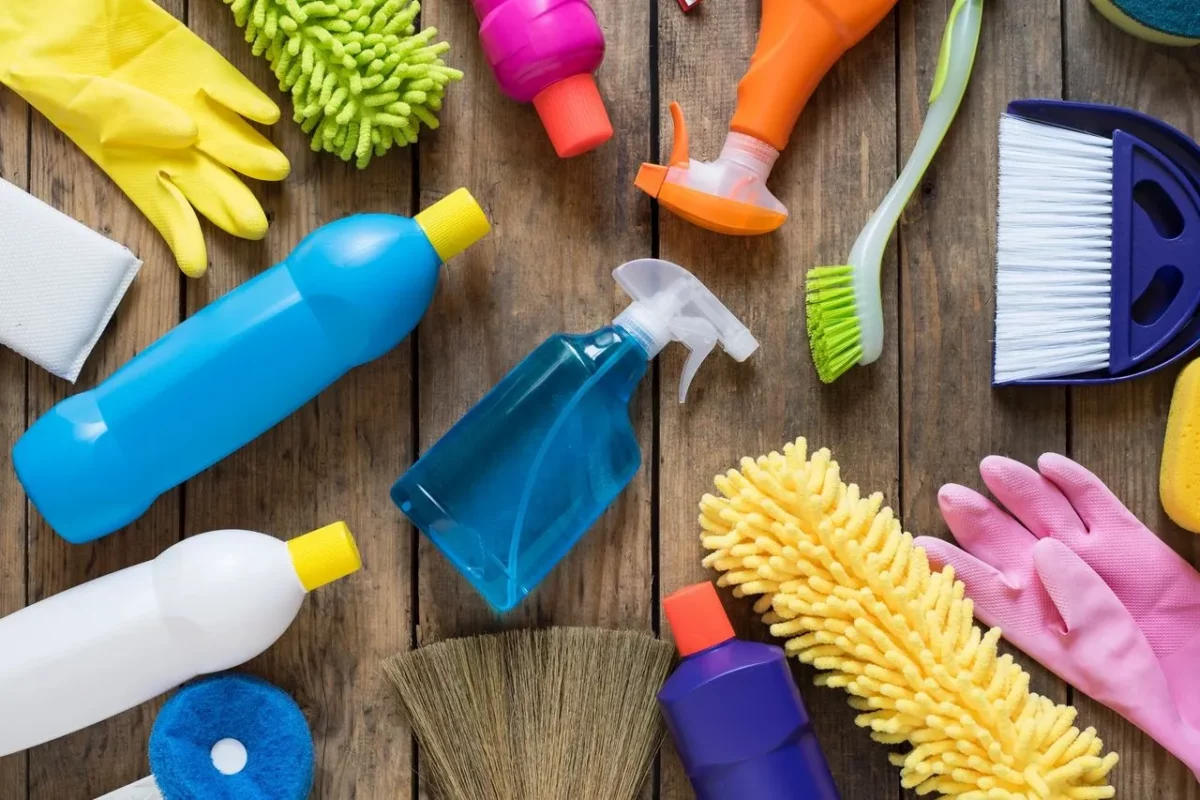
The key to effective and safe floor cleaning is using a solution that is specifically designed for your flooring material. Here are detailed recipes and instructions for creating the perfect homemade floor cleaner for every surface in your home.
Recommended Reading
Top 10 Tile Cleaner Liquids with Prices ...
22.4K Views

Top 10 Best Floor Cleaner Liquids in Ind...
19.2K Views
Top 8 Mops for Scrubbing Floors in 2026:...
15.6K Views
How to Clean Floor Tiles: Best Ways to C...
15.4K Views
Top 10 Marble Cleaning Liquids with Pric...
11K Views
1. Homemade Tile Floor Cleaner (for Ceramic & Vinyl)
Tiles are durable and non-porous, making them resilient to effective cleaners like vinegar. This recipe is a powerful degreaser and disinfectant, perfect for kitchen and bathroom tiles.
- What You'll Need (Ingredients)
- Warm Water (1 Gallon / Approx. 4 Litres)
- White Vinegar (1 Cup): It effortlessly cuts through grease, soap scum, and mineral deposits. You can learn more about its power in our guide to vinegar for cleaning.
- Rubbing Alcohol (1/2 Cup). It adds an extra layer of disinfecting power. Read about its other uses in our rubbing alcohol for cleaning guide.
- Essential Oil (10-15 Drops - Optional): Adding a few drops of an essential oil, such as lemon, lavender, or tea tree, will leave your home with a fresh and clean scent. Many essential oils also have natural antibacterial properties.
- Method: Prepare your Bucket with Warm Water. Mix all the Ingredients and Add Fragrance. Stir gently to mix and use.
- Uses and Tips
- This solution is excellent for high-traffic areas like kitchens and bathrooms.
- For tough grout stains, you can spray the solution directly onto the grout lines and scrub with a small brush before mopping the entire floor.
- Always use a well-wrung-out mop to avoid leaving excess water on the floor, which can seep into grout over time.
2. Homemade Wooden Floor Cleaner
Harsh, acidic, or abrasive cleaners can strip the finish and damage the wood. This recipe is pH-neutral and designed to clean effectively without causing harm. For more detailed guidance, check our article on how to clean wood floors.
- What You'll Need (Ingredients)
- Warm Water (1 Gallon / Approx. 4 Litres):
- Mild Castile Soap or pH-Neutral Cleaner (1-2 Teaspoons).
- Essential Oil (5-10 Drops - Optional).
- Method: Fill your Bucket with water, add soap and scent. Mix well and use!
- Uses and Tips
- Crucial Tip: Never use vinegar or lemon juice on wooden floors. The acid can erode the polyurethane finish over time.
- Dip your mop into the solution and then wring it out entirely until it is just damp, not wet. Excess water is the enemy of wood floors.
- After mopping, it is a good practice to go over the floor with a dry microfibre cloth to pick up any remaining moisture.
3. Homemade Marble & Granite Cleaner
Natural stones, such as marble and granite, are porous and sensitive to acids. Using the wrong cleaner can lead to etching and a permanent loss of shine. This pH-neutral floor cleaner solution recipe is safe and effective for these beautiful surfaces. For more tips, visit our guides on how to clean marble floors and granite floors.
- What You'll Need (Ingredients)
- Warm Water (1 Gallon / Approx. 4 Litres)
- Rubbing Alcohol (1/4 Cup):
- Mild, pH-Neutral Dish Soap (1 Teaspoon)
- Method: Fill your Bucket and Add Ingredients. Combine gently and use.
- Uses and Tips
- Important Warning: Never use vinegar, lemon, ammonia, or any cleaner with a high acid or alkaline content on marble or granite.
- Use a soft microfibre mop to clean the floor. Avoid abrasive scrubbers. After mopping, rinse the floor with a separate mop dipped in plain water to remove any soap residue.
- Finally, dry the floor with a soft towel or microfibre cloth to prevent water spots and bring out the stone's natural shine. This process is similar to professional floor buffing.
4. Multi-Surface All-Purpose Floor Cleaner
This is a gentle, all-purpose cleaner that is safe for most sealed floor types, including laminate, linoleum, and sealed concrete. It's perfect for daily or weekly cleaning when you just need to freshen things up.
- What You'll Need (Ingredients)
- Warm Water (1 Gallon / Approx. 4 Litres)
- Baking Soda (2 Tablespoons)
- Mild Dish Soap (1 Teaspoon)
- Method: Start with Water and Dissolve Baking Soda. Add Soap, mix and use.
- Uses and Tips
- This is one of the best home remedies for floor cleaning and general upkeep.
- Because it contains baking soda, ensure you stir well to prevent a cloudy film from being left on the floor.
- This solution is great for neutralising odours, making it ideal for homes with pets.
Cost Comparison: Store-Bought vs Homemade
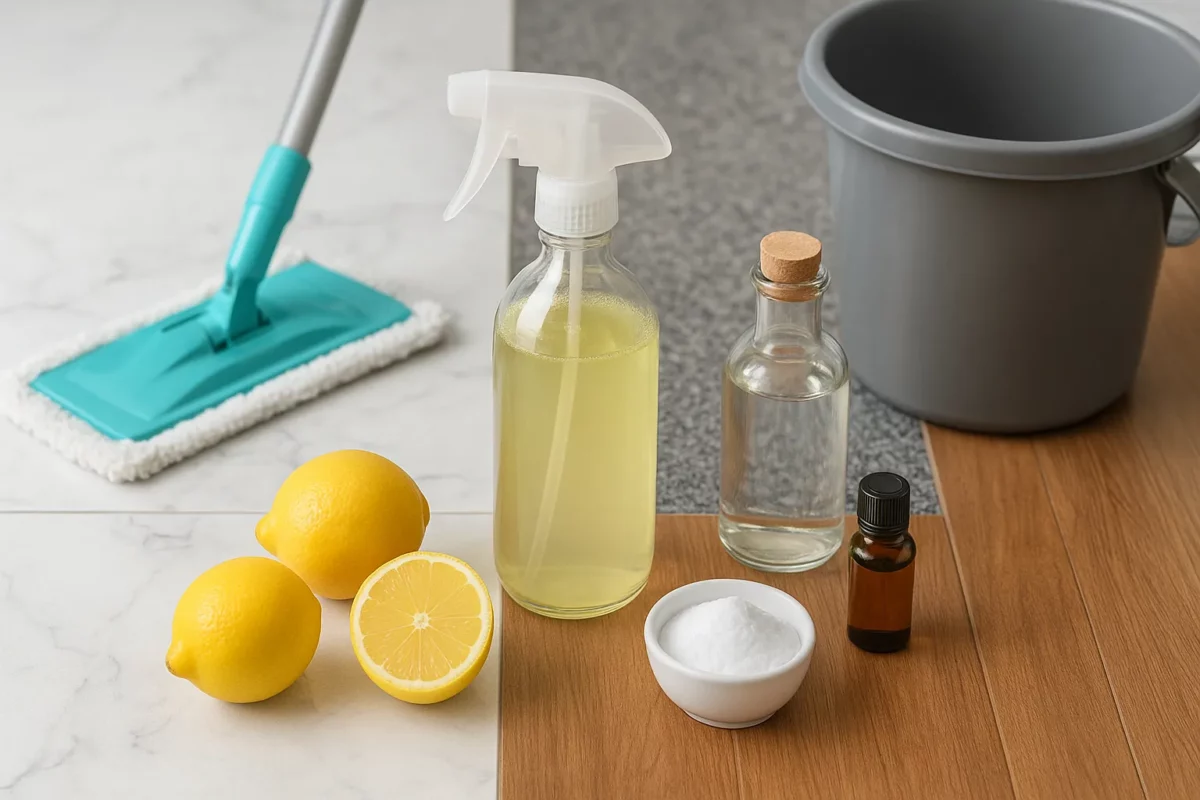
One of the biggest advantages of a DIY floor cleaner is the significant cost savings. Here is a simple comparison of the approximate cost per litre.
| Cleaner Type | Approximate Cost per Litre (in India) |
|---|---|
| Store-Bought Branded Floor Cleaner | ₹100 - ₹200 |
| Homemade Vinegar-Based Cleaner | ₹15 - ₹25 |
| Homemade Baking Soda Cleaner | ₹10 - ₹20 |
Why Choose Homemade Floor Cleaner Solutions?
Beyond the cost savings, there are many compelling reasons to switch to a homemade solution for cleaning your floors.
- Healthier for Your Family: Homemade cleaners are free from harsh chemicals like ammonia, chlorine, and synthetic fragrances, making them safer for children, pets, and individuals with allergies or respiratory sensitivities.
- Environmentally Friendly: By using natural, biodegradable ingredients, you reduce the number of toxic chemicals being washed down the drain and into the ecosystem.
- Complete Control and Customisation: You know exactly what is in your cleaner. You can adjust the formula based on your needs and add your favourite natural scents with essential oils.
- Effective and Powerful: Simple ingredients from your pantry can be just as effective, and sometimes more so, than their expensive commercial counterparts at tackling dirt, grease, and germs.
Expert Tips for Better Results
To get the most out of your homemade cleaning solutions, follow these expert tips for a truly professional-level clean.
- Always Test a Small Patch First: Before using a new solution on your entire floor, test it on a small, inconspicuous area (like under a rug or in a corner) to ensure it does not cause any discolouration or damage.
- Sweep or Vacuum Before Mopping: Always remove loose dirt, dust, and hair before you start mopping. Mopping a dirty floor just pushes the grime around. Using the right cleaning tools is half the battle.
- Use the Two-Bucket Method: Use one bucket for your cleaning solution and a second bucket with plain rinse water. This prevents you from putting dirty water back onto your clean floors.
- Don't Use Too Much Solution: A common mistake is to drench the floor. A well-wrung-out, damp mop is more effective and safer for your flooring, preventing water damage.
How NoBroker Can Help with Cleaning Services?
While a homemade floor cleaner solution is perfect for regular upkeep, there are times when your home needs a deeper, more professional touch. For those occasions, NoBroker's Cleaning Services are the ideal solution. Our trained and verified professionals use high-grade equipment and eco-friendly products to provide a thorough deep cleaning service for your entire home. From scrubbing floors and sanitising bathrooms to making your kitchen sparkle, we handle it all, giving you a pristine living space without any of the hassle.
Frequently Asked Questions
What is the best homemade solution for cleaning floors?
Can I use vinegar on all floors?
How do I make a natural disinfectant for floors?
Is baking soda safe for mopping floors?
How long can homemade floor cleaner be stored?
About the Author

Vivek
Senior Editor


Recent Blogs
Subscribe to our Newsletter
Get latest news delivered straight to your inbox