HomePackers and MoversGuidesShift Homes While Having Pets

How to Move or Shift Homes When You Have Pets

How to Move or Shift Homes When You Have Pets
Category

Packers and Movers Tips

Views

4.3K Views

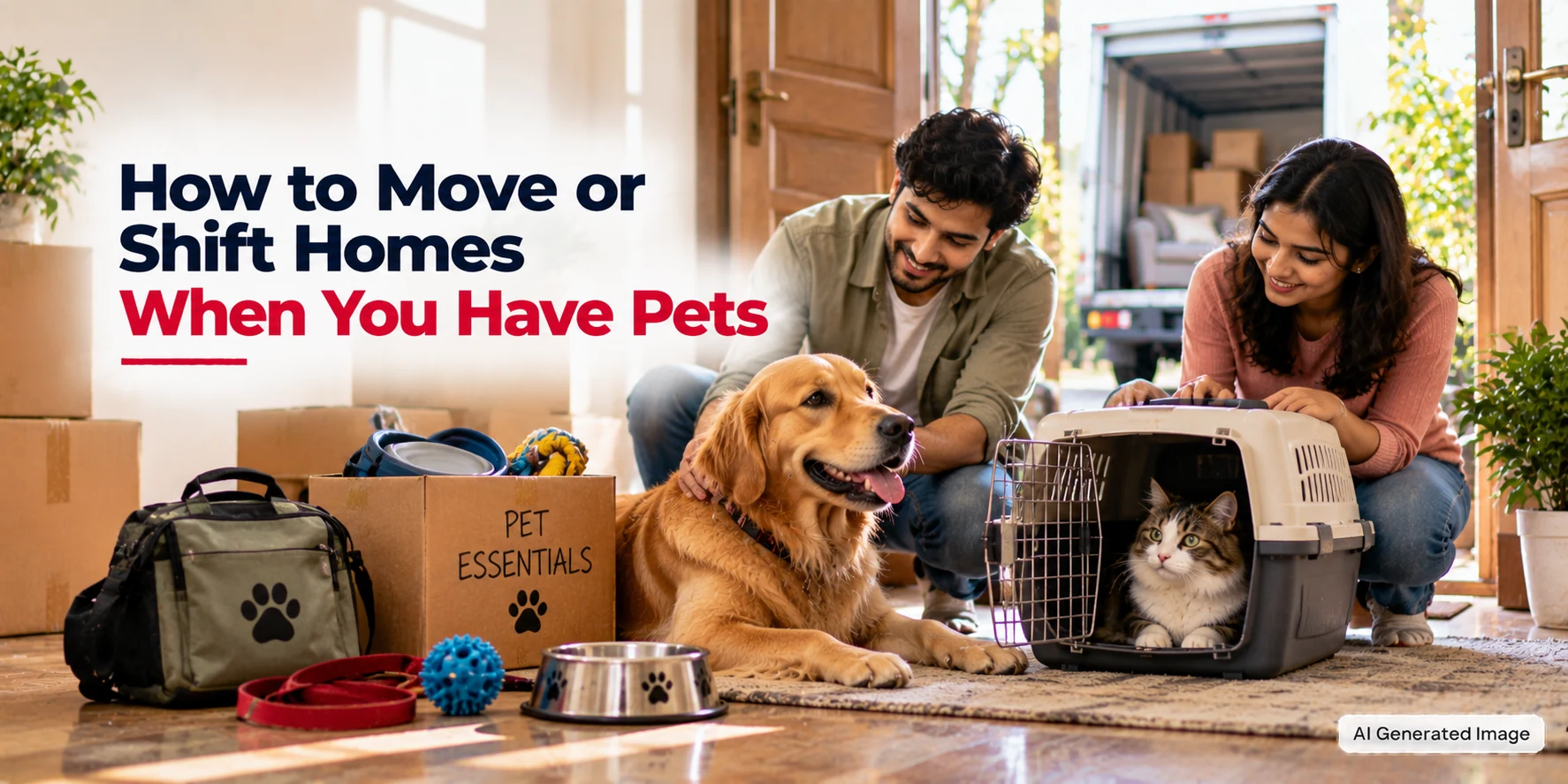
Pets often experience stress and anxiety during relocation because they are highly sensitive to changes in their surroundings and daily routines. From unfamiliar packing activities to long travel hours and a completely new environment, moving house with pets can be challenging. Moving with pets requires careful planning to ensure their safety, comfort, and emotional well-being throughout the transition. Whether you have a dog, cat, bird, or other companion animal, taking the right precautions before, during, and after the move can help minimise stress and make settling into your new home a much smoother experience for everyone involved.

Quick Checklist for Moving with Pets

Before moving day, use this pet moving services checklist to ensure your pet stays safe, comfortable, and stress-free throughout the relocation process:

  • Schedule a vet check-up and update vaccinations.
  • Keep medical records and prescriptions easily accessible.
  • Update pet ID tags and microchip information.
  • Pack a separate pet essentials bag.
  • Maintain your pet's regular feeding and walking routine.
  • Introduce moving boxes gradually to reduce anxiety.
  • Secure pets in a carrier during packing and loading.
  • Arrange safe transportation for your pet.
  • Pet-proof the new home before arrival.
  • Set up a familiar space with their bed, toys, and food bowls.
  • Monitor your pet closely for signs of stress after moving.
  • Give extra attention and reassurance during the adjustment period.

Preparing Your Pet Before Moving

Proper preparation helps reduce your pet's stress and ensures a safer, smoother moving experience for both of you. Here are the steps to follow:

  • Schedule a vet check-up and collect your pet's medical records.
  • Update your pet's ID tags and microchip information.
  • Maintain regular feeding, exercise, and sleep routines.
  • Introduce moving boxes and packing materials early.
  • Pack a separate bag with pet essentials and medications.
  • Prepare a secure carrier or crate for transportation.
  • Create a quiet, safe space for your pet during packing.
  • Help your pet become comfortable with the carrier beforehand.
  • Research nearby vets and pet services in the new area.
  • Give your pet extra attention and reassurance before moving day.

Plan in Advance, and keep your Pet's Movement in Mind

Moving to a new home can feel overwhelming for pets, especially when they are exposed to unfamiliar environments. Here are the key steps to help your pet adjust safely and comfortably before the move:

  • Visit the New Neighbourhood
    Take your pet around the new area before moving day, if possible, to help them become familiar with the surroundings and reduce anxiety.
  • Familiarise Your Pet with New Smells and Sounds
    Expose your pet to the new home's scents, sounds, and environment gradually to make the transition feel less overwhelming.
  • Check Home Safety for Pets
    Inspect the new home for hazards such as exposed wires, toxic plants, sharp objects, and unsecured balconies or windows.
  • Identify Escape Risks
    Look for gaps in fences, loose gates, open vents, or damaged screens that could allow your pet to escape during the adjustment period.
  • Locate Essential Pet Services
    Identify nearby veterinary clinics, pet stores, grooming centres, and emergency animal hospitals before moving in.
  • Plan a Dedicated Pet Space
    Set up a quiet area with your pet's bed, toys, food, and water bowls to provide comfort and familiarity from day one.
Moving date on a calendar

What to do with your Pet on Moving Day?

Moving with pets requires extra planning and care to reduce stress. Here are some practical tips to keep your pets safe and comfortable during the move:

Dog at doggy daycare
  • Pack your pet's belongings last to maintain familiarity and comfort.
  • Keep food, water, and medications easily accessible throughout moving day.
  • Inform neighbours about your move and share updated contact details.
  • Update ID tags and microchip information before the relocation.
  • Follow your pet's regular feeding, walking, and playtime schedule.
  • Avoid feeding pets immediately before travelling to prevent motion sickness.
  • Let pets explore the new neighbourhood before moving, if possible.
  • Give cats extra time and space to adjust comfortably.
  • Create a quiet, familiar area for pets in the new home.
  • Be patient with behavioural changes during the adjustment period.
  • Reward good behaviour and provide reassurance throughout the transition.
  • Keep the nearby veterinary clinic and emergency contact details handy.
  • Schedule a health check-up after moving to monitor adjustment.

How to Travel with Pets During a Move?

Travelling with pets requires careful planning to ensure their safety, comfort, and well-being throughout the journey. Here are some important considerations based on your chosen mode of transport:

Moving by Car

Car travel is often the most comfortable option for pets, as it allows them to stay close to their owners. Use a secure carrier, crate, or pet seat belt, carry food and water, and take regular breaks for exercise and bathroom needs during long journeys.

Moving by Train

Before travelling by train, check the railway's pet transportation services policies and booking requirements. Ensure your pet is placed in an approved carrier with adequate ventilation, food, water, and familiar items to reduce travel-related stress.

Moving by Flight

Air travel requires advance planning, including airline approvals, health certificates, and suitable travel crates. Choose pet-friendly airlines whenever possible and ensure your pet meets all travel regulations to make the journey safer and smoother.

Interstate Pet Relocation

Interstate moves may involve additional documentation, health checks, and transportation arrangements. Verify state-specific pet regulations, carry vaccination records, and plan rest stops carefully to ensure a safe and hassle-free relocation experience.

Moving with Different Types of Pets

Different pets have different needs during relocation. Here is a quick overview of the common moving challenges, stress signs, and solutions to help your pet stay safe and comfortable throughout the move:

Pet TypeChallengeSigns of StressSolution
DogsRoutine changes and travel anxiety.Barking, whining, pacing.Maintain routines and provide comfort.
CatsUnfamiliar surroundings and territorial stress.Hiding, not eating, and escape attempts.Introduce the new home gradually.
BirdsNoise, movement, and temperature changes.Feather plucking, reduced activity.Use a covered, ventilated cage.
FishWater and temperature fluctuations.Erratic swimming, lethargy.Preserve tank water and set up quickly.
Rabbits & Guinea PigsHandling and environmental changes.Hiding, reduced appetite.Use secure carriers with familiar bedding.
Hamsters & Small RodentsTravel disruptions and habitat changes.Hiding, cage chewing.Transport with nesting materials.
ReptilesTemperature and humidity changes.Inactivity, refusal to eat.Maintain habitat conditions during transport.

Common Mistakes When Moving with Pets

Even well-planned moves can become stressful for pets if certain precautions are overlooked. Here are some common mistakes to avoid when relocating with pets:

  • Skipping a pre-move vet visit and travelling without updated medical records.
  • Changing your pet's routine abruptly before or immediately after the move.
  • Leaving pets loose during transportation instead of using a secure carrier or crate.
  • Forgetting to update ID tags and microchip information with the new address
  • Packing pet essentials with household items makes them difficult to access.
  • Introducing pets to the entire house at once instead of allowing gradual exploration.
  • Ignoring signs of stress or anxiety during the moving process.
  • Leaving doors, windows, or gates unsecured increases the risk of escape.
  • Exposing pets to excessive noise and activity during packing and loading.
  • Do not pet-proof the new home before bringing your pet inside.
  • Feeding pets immediately before long journeys may cause travel sickness.
  • Neglecting regular exercise and playtime during the relocation period.

How NoBroker Packers and Movers Helps You in Moving Pets?

At NoBroker Packers and Movers, we understand that moving with pets requires extra planning and care. We focus on providing a stress-free relocation experience by helping you complete your move quickly and efficiently, reducing disruption to your pet's routine. Our streamlined processes ensure a more pet-friendly moving experience, allowing your furry companions to settle into their new home sooner. With our faster shifting services and professional support throughout the relocation journey, we help make moving easier, safer, and more comfortable for both you and your pets.

NoBroker Blog

FAQ's

Frequently Asked Questions

How do I transition my pet to a new home?toggle icon
It is important to let your pet get used to the new surroundings. Taking them on walks around the new neighbourhood would be a good place to start. Upon moving, allow the pet ample time to explore and adapt to the new house. Use lots of treats and patience when dealing with them in unknown surroundings. Make them comfortable and if possible keep them away from the hustle bustle of moving and unpacking.
How long should cats be kept indoors post moving homes?toggle icon
It is advisable to keep your cats indoors for about 2 weeks or until they return to their normal behaviour in the new environment.
Is it safe to move homes with my pet fish?toggle icon
Moving or travelling can be extremely stressful for your pet fish. This kind of change can often prove fatal to pet fishes like goldfish, betta fish or koi. It is best to transport your fish in small bags filled with their old tank’s water. These guidelines only work for short distance travel. If you’re planning to move too far away locations it would be best to leave your pet fish with local friends or family.
Which domestic airlines in India allow pets in the cabin?toggle icon
As of now only Akasa Air and Air India allow pets in carriers in the cabin. There are other airlines that do allow certified service animals in the cabin. In each of the cases, strict guidelines are provided on how the pets should be handled and violating any of these could lead to deboarding.
Why is my cat not eating after moving homes?toggle icon
Relocating cats from one home to another makes them more susceptible to stress-induced anxiety. Loss of appetite, overeating, vomiting or diarrhoea, hiding and excessive grooming are some of the typical signs of anxiety in cats.

How stressful is moving for pets?
toggle icon
Moving can be stressful for pets because of routine changes, unfamiliar surroundings, and travel. Proper preparation, familiar items, and reassurance can significantly reduce anxiety.
How long does it take pets to adjust after moving?
toggle icon
Most pets adjust within a few days to several weeks, depending on their temperament, age, and species. Consistent routines help them settle faster.
Should I sedate my pet during a move?
toggle icon
Do not sedate your pet unless specifically recommended by a veterinarian. Sedatives may cause health risks and can affect balance during travel.
How do you move long-distance with pets?
toggle icon
Use a secure carrier, carry food and water, schedule breaks, maintain routines, and ensure your pet's identification and medical records are updated.
What should be in a pet moving kit?
toggle icon
A pet moving kit should include food, water, bowls, medications, medical records, a leash, waste bags, bedding, toys, treats, and grooming supplies.

About the Author

Yumna Ahmed

Senior Editor

Yumna is a passionate content writer who craft clear, engaging and informative content, especially in the packers and movers space. From shifting tips to relocation checklists and city-specific moving guides, she crafts content that simplifies moving for people across India. Outside work, she likes travelling, bonding with animals & fashion....

Subscribe to our Newsletter

Get latest news delivered straight to your inbox

0