How to Clean Solar Panels: Easy Steps for Better Performance in 2026
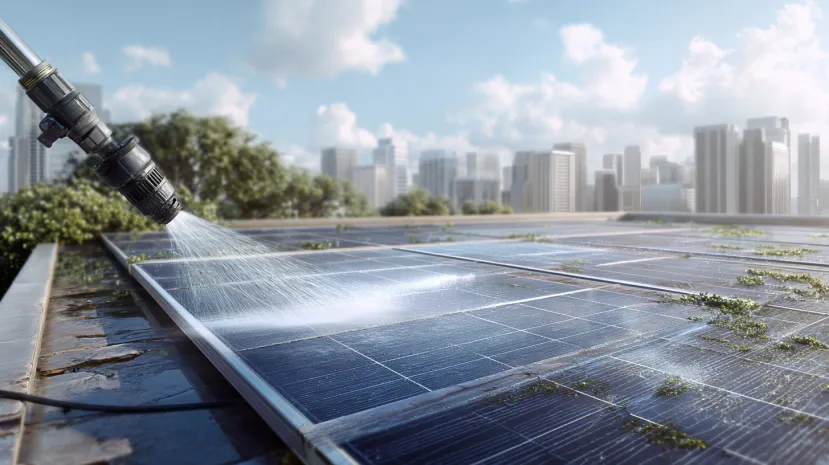

Easy Cleaning Tips

3.5K Views
Table of Contents
Summary
Cleaning a solar panel involves using soft brushes, squeegees, microfiber cloths and mild soapy water. Gently remove dust, leaves, or bird droppings, starting from the top and working downward. Avoid harsh chemicals or pressure washers. Cleaning costs are minimal if done at home, usually under ₹500, while professional cleaning ranges from ₹500 to ₹2,000 per panel. Regular cleaning ensures optimal energy production and panel longevity.
Maintaining solar panels ensures maximum efficiency. The guide to how to clean solar panels properly includes using a soft cloth, sponges, or brushes with mild detergent, rinsing with water, and drying carefully. Panels should be cleaned every 6–12 months, or more often in dusty areas. For cleaning solar panels on rooftops, safety precautions like harnesses or ladders are essential. Professionals may be needed for high rooftops or large systems. Avoid abrasive tools, high-pressure water, or strong chemicals to prevent damage. Proper cleaning maintains energy output and extends panel lifespan.
Why Cleaning Solar Panels is Important?
Regular solar panel cleaning is essential to maintain efficiency and energy output. Dust, dirt, bird droppings, and pollutants can block sunlight, reducing power generation by up to 25%. Clean panels last longer, perform better, and maximise your return on investment. Routine cleaning ensures optimal performance, prevents damage, and keeps your solar system working at its full potential.
Recommended Reading
Deep Clean Your Washing Machine: Step-by...
23.2K Views

Top 10 Plumbing Service Apps in 2026
17.9K Views
How to Clean Floor Tiles: Best Ways to C...
15.3K Views
Top 10 Washing Machine Tub Cleaner Liqui...
14.5K Views
How to Remove Rust from Iron: Step-by-St...
7.8K Views
How to Clean Solar Panels at Home?
Maintaining your solar panels is crucial for optimal energy production. Here's a step-by-step guide on how to clean solar panels at home, ensuring safety and effectiveness.
Step 1: Assembling Cleaning Tools and Safety Gear

Prepare for the cleaning process by collecting all necessary equipment. This should include a ladder, safety harness, gloves, soft-bristle brush, garden hose, mild detergent, squeegee, and a soft cloth. Prioritising your safety with the correct gear is just as crucial as the cleaning itself.
Step 2: Safely Shutting Down the Solar Panel System

Before any cleaning begins, ensure that the solar panel system is completely turned off. This is a critical safety step to prevent any electrical incidents. Consult the manufacturer's manual for detailed shutdown procedures.
Step 3: Brushing Off Loose Debris

Start the cleaning process by gently removing any loose debris from the surface of the panels. A soft bristle brush is ideal for this task, allowing you to clear away leaves, bird droppings, and dust without scratching the panels.
Step 4: Rinsing the Panels with Water

Rinse the solar panels with a garden hose to wash off any remaining dust and dirt. The water pressure should be moderate to avoid any potential damage to the solar panels.
Step 5: Spot Cleaning with a Soft Brush

After rinsing, inspect the panels for any spots that didn't come clean. Use a soft brush dipped in water to gently scrub these areas. The goal is to address any persistent dirt without using abrasive techniques.
Step 6: Applying Cleaning Solution to Tough Stains

For areas with heavy soiling, a mild detergent mixed with water can be used. Apply the solution with a soft cloth or sponge, scrub gently, and then rinse thoroughly to ensure no soapy residue is left behind.
Step 7: Drying the Panels to Prevent Water Spots
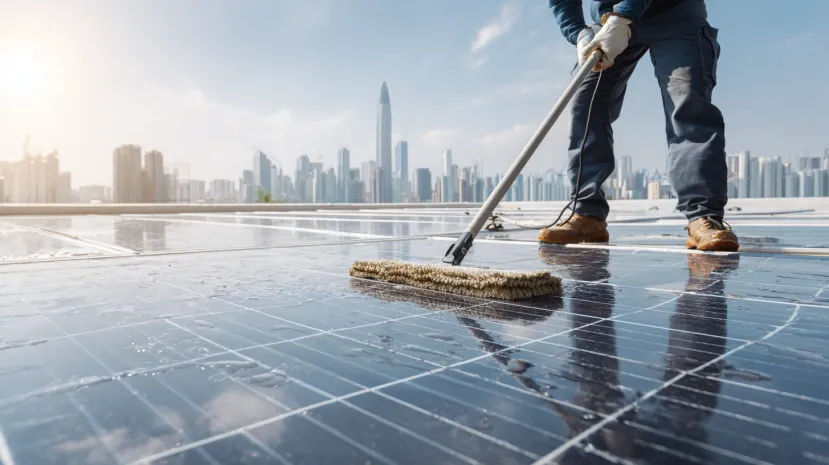
Once the solar panels are clean, use a squeegee to remove excess water, followed by a soft cloth to dry any remaining moisture. This helps prevent water spots, which could affect the panels' ability to absorb sunlight efficiently.
Step 8: Reactivating the Solar Panel System

With the panels clean and dry, it's time to reactivate your solar panel system. Carefully follow the startup procedures as outlined by the manufacturer or your installer. After the system is back on, monitor the solar output to assess the effectiveness of your cleaning efforts.
How Do You Wash Solar Panels Effectively?
Regular solar panel washing keeps panels efficient and long-lasting. Proper cleaning removes dust, dirt and debris, ensuring maximum sunlight absorption and optimal energy production. Below are the steps to follow for washing:
- Use a soft brush or sponge with mild soapy water, gently scrubbing the panel surface to remove dirt.
- Rinse thoroughly with clean water to remove soap residue, preventing streaks and water spots on the panels.
- Dry panels with a microfiber cloth or squegee carefully to avoid scratches and maintain efficiency.
Safety Measures and Precautions for Solar Panel Cleaning
Cleaning solar panels involves working at heights and with water. Following proper safety measures ensures your safety, prevents accidents, and protects the panels from damage during cleaning. Below are a few points to keep in mind:
- Always use a safety harness, non-slip shoes, and secure ladders when cleaning panels on rooftops to prevent falls.
- Avoid cleaning panels during strong sunlight or rain to reduce the risk of electric shock and slipping hazards.
- Use soft brushes, microfiber cloths and mild detergent; never use abrasive tools or high-pressure water on panels.
Solar Panel Cleaning Cost in India
The solar panel cleaning cost in India varies depending on panel size, location, and cleaning method. Regular cleaning ensures efficiency and longevity of your solar system at affordable rates. The table below will give you detailed information:
| Type | Description | Price Range ₹ |
| Manual Cleaning Services | Professional cleaning by technicians using brushes and water | ₹500- ₹2,000 |
| DIY Cleaning Kits | Includes extension poles, nylon brushes, hoses, and connectors | ₹300-₹1000 |
| Automatic Cleaning Systems | Automated systems for regular cleaning without manual labour | ₹20,000-₹50,000 (1) |
How Often Should You Clean Your Solar Panel?

Cleaning your solar panels is essential for maintaining their efficiency. The general consensus among solar companies and experts is to clean your solar panels at least twice a year. This frequency helps to prevent excessive build-up of dirt and debris, which can become more difficult to clean over time and potentially reduce the energy output of the panels by as much as 20%.
However, the exact frequency can depend on your specific situation. If you live in an area where the panels get dirty quickly, perhaps due to dust, pollen, or leaves, you might need to clean them more often. It's also advisable to monitor your monthly electricity bill or a monitoring app for any noticeable drop in production, which could signal that your panels need a clean.
When is the Best Time to Clean Solar Panels?
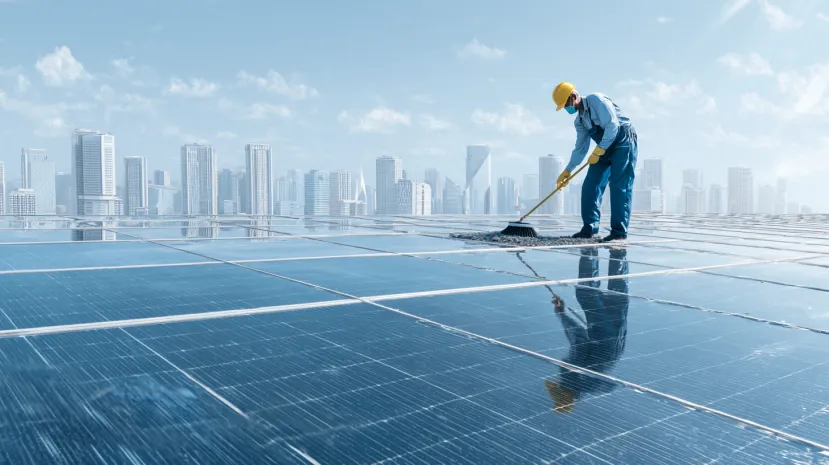
In India, the best time to clean solar panels is during the spring season, when the temperatures are not as high as in the summer, which can make the panels too hot to handle. Furthermore, the best time of day to conduct the cleaning is either early in the morning or late in the evening when the panels are cooler.
Cleaning during these cooler parts of the day is advised because when the sun is at its strongest, the panels might be too hot, and using water could result in quick evaporation, leaving mineral deposits behind. Additionally, during peak hours, cleaning could result in a loss of energy generation due to the panels being shaded or off during the cleaning process.
Automated Solar Panel Cleaning: Investing in the Future
Automated solar panel cleaning systems are devices that use sensors and robotics to clean solar panels without human intervention. They are becoming increasingly popular as the cost of solar energy decreases and the need for clean energy increases.
There are two main types of automated solar panel cleaners:
- Self-cleaning systems: These systems use a series of low-pressure nozzles to spray water onto the panels, which then flows off and carries away dirt and debris. Some self-cleaning systems also use a cleaning agent to help remove stubborn contaminants.
- Robotic systems: These systems use a mobile robot that travels along the rows of solar panels and cleans them with high-pressure water jets. Robotic systems can be more effective than self-cleaning systems at removing dirt and debris, but they are also more expensive.
Regardless of the type of system, automated solar panel cleaners typically use the following steps to clean solar panels:
- Detection: The system uses sensors to detect the cleanliness of the solar panels. This may involve measuring the amount of sunlight that is reflected off of the panels or using a camera to image the panels.
- Scheduling: The system schedules cleanings based on the detected level of dirt and debris. This ensures that the panels are cleaned regularly, but not so often that it wastes water or energy.
- Cleaning: The system dispenses water onto the panels and cleans them with a nozzle or a high-pressure jet. The cleaning agent may also be dispensed at this time.
- Rinsing: The system rinses the panels with clean water to remove any remaining dirt and debris.
- Drying: The system may use fans or heaters to dry the panels after they have been cleaned.
What NOT to do While Cleaning Solar Panels?
Solar panels are a valuable investment that can help you save money on your energy bills. However, it's important to clean them properly to ensure they continue to function efficiently. Here are some things you should NOT do when cleaning solar panels:
1. Don't use harsh chemicals: Harsh chemicals like bleach, ammonia, or scouring powders can damage the surface of solar panels, reducing their efficiency and lifespan. Stick to using mild dish soap or a specialized solar panel cleaner.
2. Don't use abrasive materials: Abrasive sponges, brushes, or scouring pads can scratch the glass surface of solar panels, causing them to lose their effectiveness. Use a soft, lint-free cloth or a non-abrasive sponge instead.
3. Don't use high-pressure water: The force of a pressure washer can damage the delicate wiring and seals inside solar panels. Instead, use a gentle stream of water from a hose or bucket.
4. Don't clean them on hot days: Solar panels can get very hot when exposed to direct sunlight. Cleaning them on a hot day can cause the panels to crack or warp. Instead, clean them early in the morning or in the evening when they are cooler.
5. Don't climb on or walk on solar panels: The weight of your body can damage the panels and their mounting system. If you need to reach the panels for cleaning, use a ladder with rubberized feet to prevent scratching the panels.
6. Don't clean them during the rainy season: Rainwater can help to clean solar panels naturally, so there's no need to clean them during the rainy season. In fact, cleaning them during heavy rain can be dangerous due to the risk of slipping on wet surfaces.
How Can NoBroker Help?
Maintaining the cleanliness of your solar panels is paramount to ensure they function at peak efficiency. While there are methods to undertake this task yourself, the risks and potential for inefficiency make it a less-than-optimal solution. This is where the expertise of professional services becomes invaluable. Professionals, such as those from NoBroker Cleaning Services, are equipped with the necessary tools, knowledge, and safety protocols to execute this task with precision. Their services not only alleviate the burden of doing it yourself but also ensure that your solar panels are serviced with the utmost care, ultimately optimising their output and prolonging their lifespan.
Frequently Asked Questions
1.Why is it important to clean solar panels?
2. How often should I clean my solar panels in India?
3. Can I clean solar panels by myself, or do I need professional help?
4. What is the best time of day to clean solar panels in India?
5. Are there any specific cleaning solutions I should use for my solar panels?
6. What is the best way to clean a solar panel safely?
7. How do you clean solar panels without damaging them?
8. How to clean solar panels on a roof effectively?
9. Can I clean solar panels myself, or should I hire a professional?
10. How do I wash solar panels to remove dust and debris?
About the Author

srivalli.susarla
Senior Editor
Srivalli is a finance wizard with a refreshing voice in the often-stodgy world of personal finance and investment. An ardent admirer of literature, she brings a deep understanding of language and storytelling to her writing. Srivalli's Blogs on NoBroker brings a unique perspective to her writing on the Indian realty sector as a writer for the NoBroker Blog....


Recent Blogs
Subscribe to our Newsletter
Get latest news delivered straight to your inbox